Description
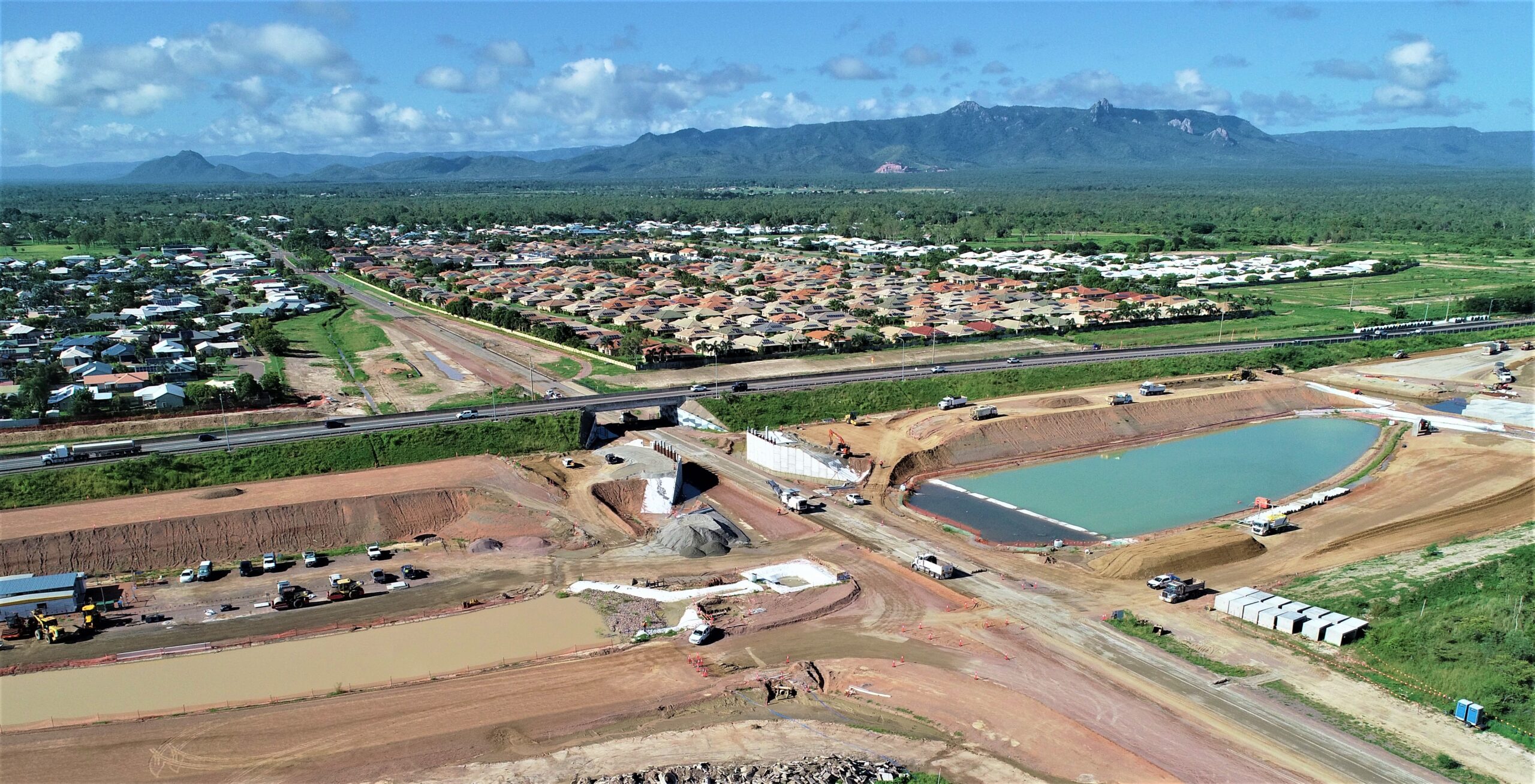
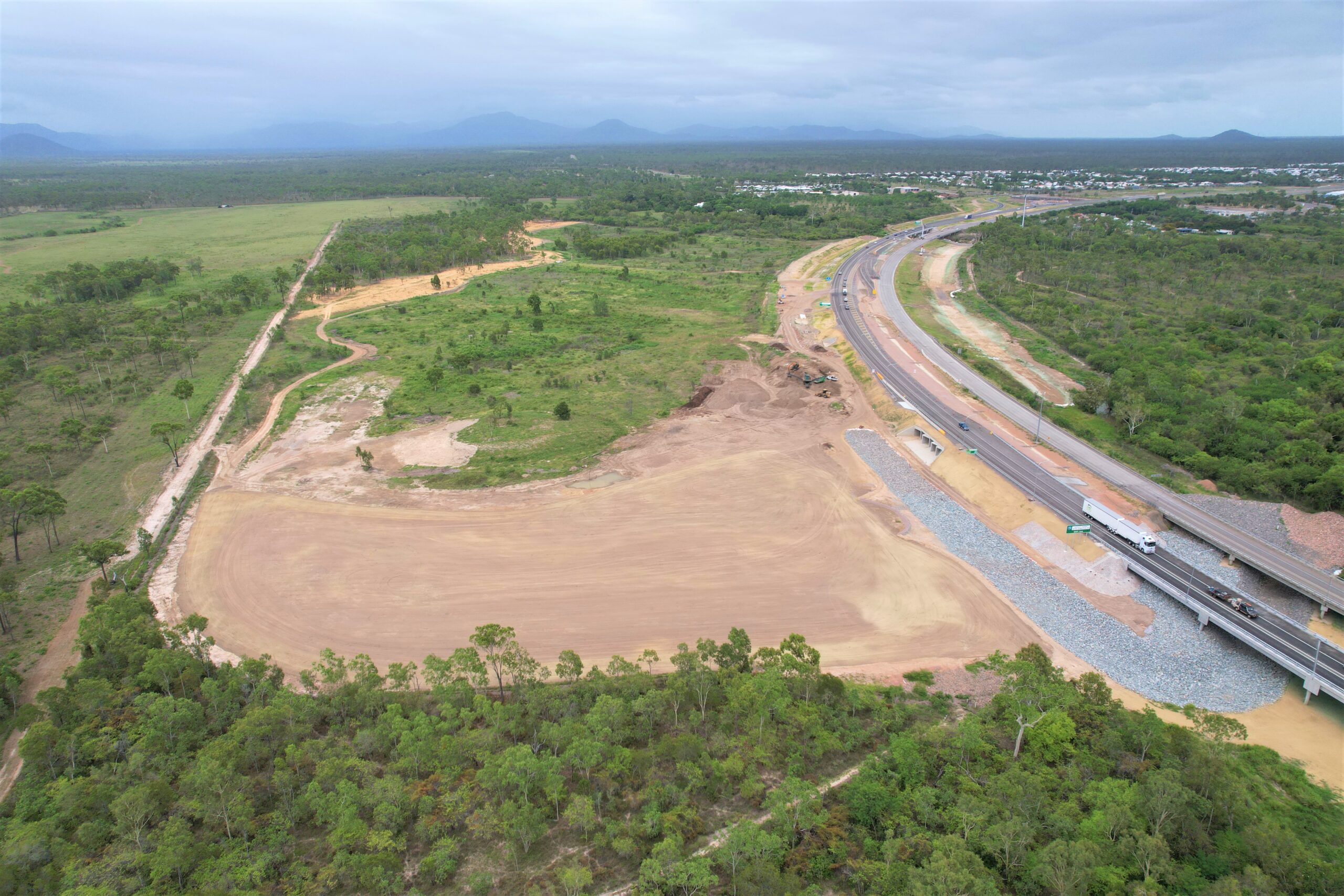
The Townsville Ring Road Stage 5 (TRR5) project will deliver improved road safety, efficiency and travel time reliability for freight and passenger vehicles on the Bruce Highway in Townsville. The project forms part of a larger 36-kilometre section of highway known locally as the Ring Road with the TRR5 project being the final component of an upgrade program which began in 2003.
The project will duplicate the only remaining 2-lane section of the Townsville Ring Road between Vickers Bridge and Shaw Road. The 6km project will also include construction of an interchange at Beck Drive, with new on and off-ramps to provide access for all directions of travel.
In addition to improving road safety and traffic efficiency, the project will improve local connectivity to important employment centres and essential services in Townsville, including Lavarack Barracks, James Cook University and Townsville University Hospital.
The project includes the construction of 6 major structures, significant upgrades to ITS and PUP infrastructure and safety improvements such as emergency services U-turn facilities, upgraded crash barriers, five (5) new VMS gantries and over 3.5 kilometres of new shared pathways.
Rating Highlights
| Category | Credit | Achievements/ Description |
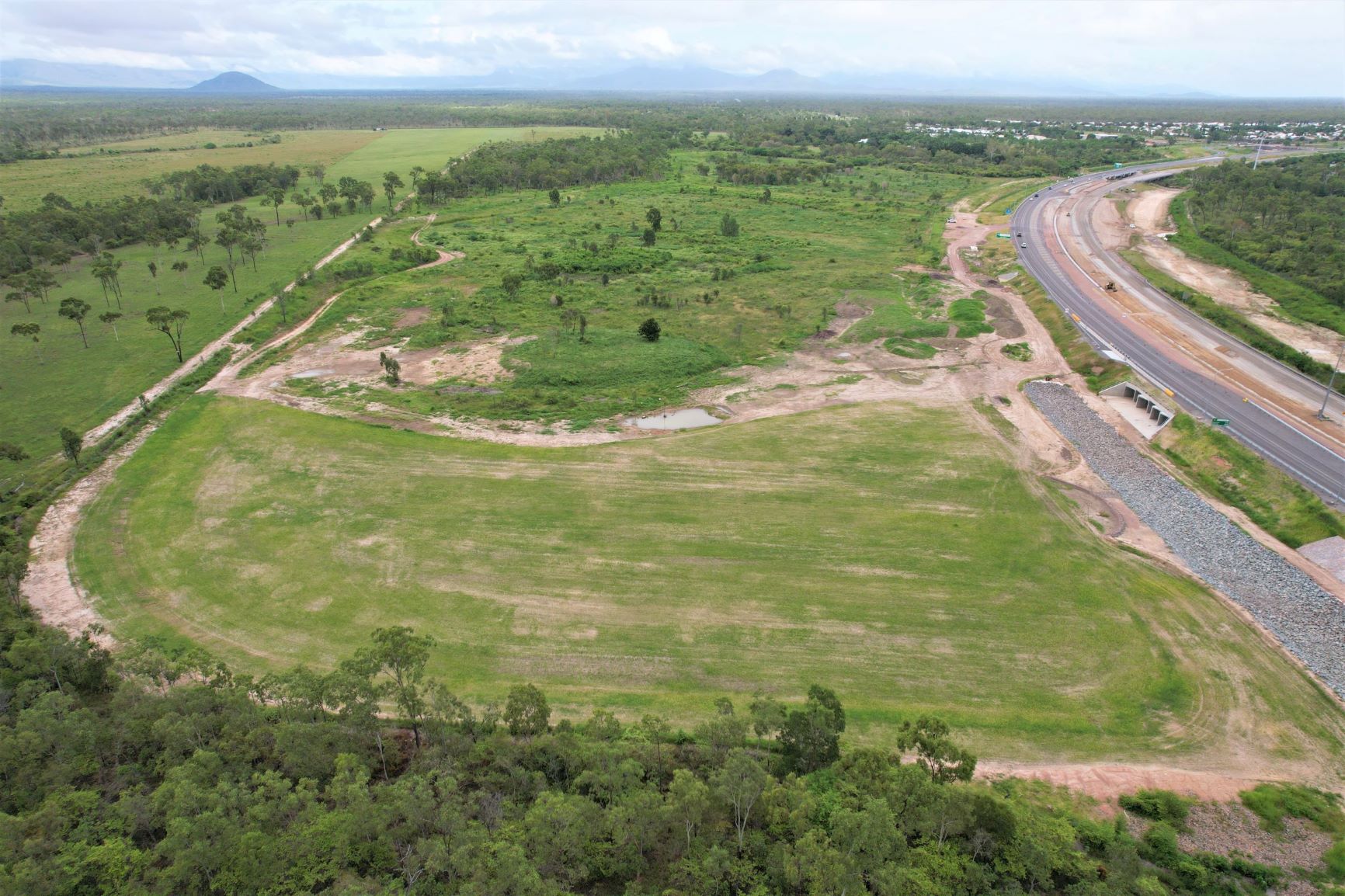
| Innovation | Inn-1d | The project achieved an Australian first for the commercial production of two native seed species, Dichanthium sericeum and Paspalidium distans. The seeds were produced as part of a three-hectare habitat rehabilitation area for the endangered Black-throated finch (southern sub-species) (Peophila cincta cincta) (BTF), with management and implementation being governed by a Grassland Rehabilitation Plan which was collaboratively developed between Georgiou, AECOM, Department of Primary Industries, and TMR QLD for this project.
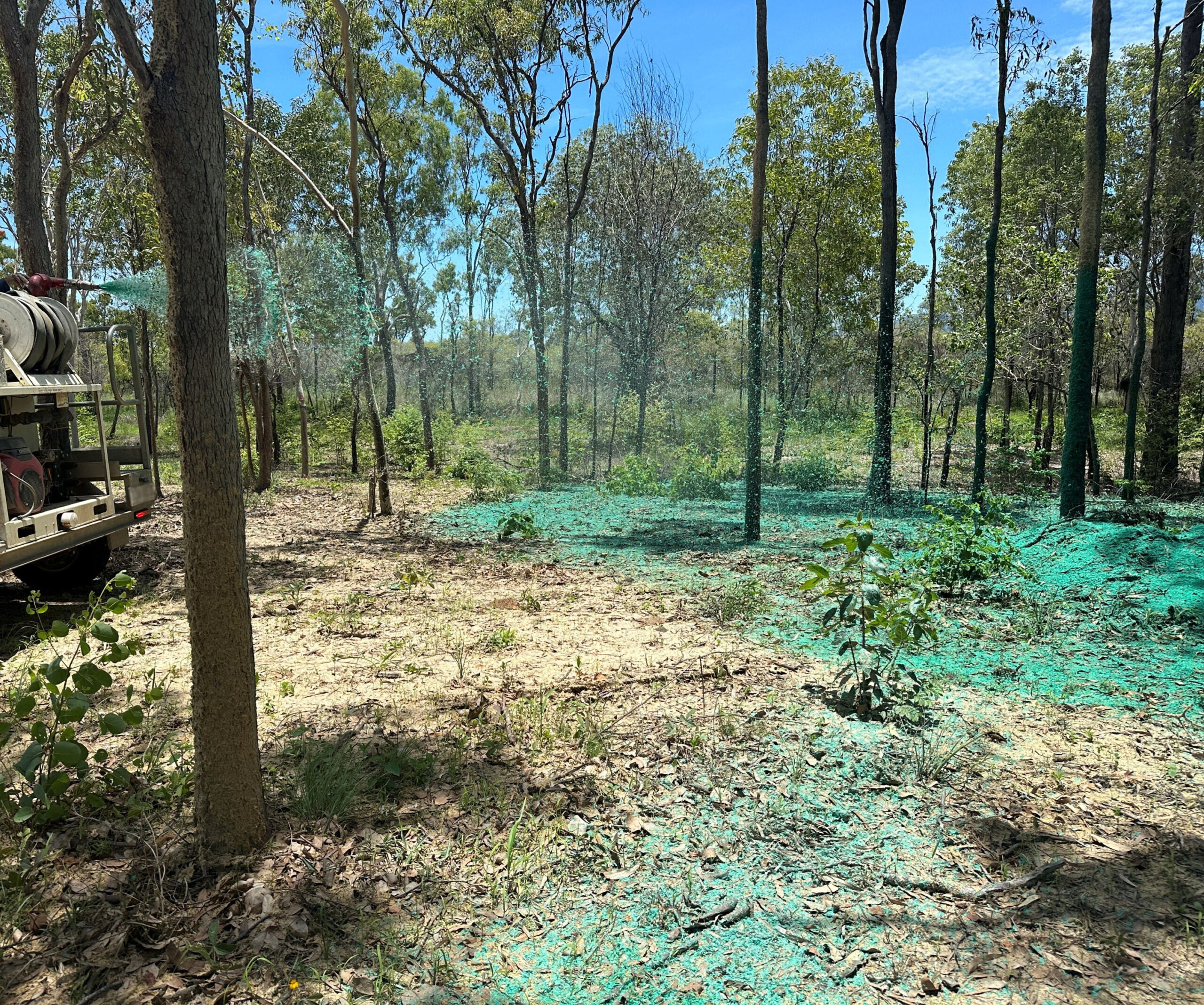
This initiative addressed a major challenge to success in achieving the national objectives for the recovery of the BTF, being the lack of availability of suitable grasses and associated seeds favoured by the species. Not only does the rehabilitation area improve local ecological diversity, but the cultivation and commercial production of BTF-targeted foraging seed species, which are otherwise only available via wild harvest, helped to create a more reliable and commercially viable source for these seed species to facilitate future rehabilitation efforts. The TRR5 team also leveraged opportunities to implement traditional land management practices with Traditional Owners, the Wulgurukaba People (GW Group). To prepare the rehabilitation area, Georgiou worked in conjunction with the GW Group and Rural Fire Service to complete a controlled mosaic backburn to prepare the rehabilitation area. This preparation was a key step in the rehabilitation process to facilitate its success. A final assessment of the area after completion determined that the trial was a success; confirming the commercial production of three seed species for BTF habitat areas and increased ecological value of the area by 7.47%. |
| Innovation
|
Inn-1c | The project achieved a Market Transformation for the development of an alternative technical specification which enabled the reuse of over 150,000m³ of otherwise unsuitable material in embankments.
In addition to the material savings, and associated energy and cost savings, the specification development process contributed to knowledge growth in the North QLD region through extensive involvement and engagement of many local industry stakeholders. This collaborative approach fostered the sharing of expertise and experiences, further enhancing the industry's understanding of alternative designs and acceptable materials. The revised specification and annexures allowed for the use of local quarries and their produced materials, promoting higher local procurement and contributing to the regional economy. This approach prevented negative impacts on quarry productivity associated with additional manufacturing processes and reduced overall project costs that would have arisen from increased manufacturing of locally sourced materials or importing them from distant suppliers. |
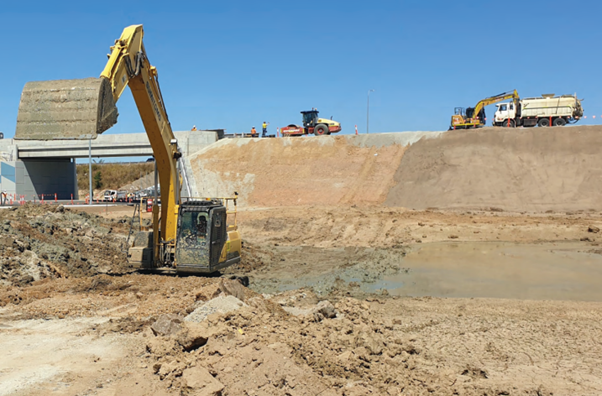
| Innovation | Inn1-f | The project achieved an Australian first for the use of an organic thickening agent (Vital Chemical’s Slurry Thick) to treat and re-purpose over 4,700m³ of sediment in high efficiency sediment basins. The use of Slurry Thick is an innovative approach intended to replace the traditional basin de-silting method, which requires mixing in additional material of at least a 1:1 ratio to “dry out” the sediment to a consistency that will enable it to be excavated and loaded without leaking sediment-laden water onto the road during transit.
The use of Slurry Thick has resulted in benefits across the entire sustainability quadruple bottom line (environmental, economic, social and governance), stemming from reductions in energy, materials and waste. A case study was also published to outline the implementation process, various quantitative benefits against the traditional method, and recommendations for its optimum use. The project also organised and supported an ’Industry Day’, showcasing sustainability and environmental best practice from the project to a variety of local contractors, and environment and sustainability professionals. Representatives from Vital Chemical, the producers of Slurry Thick, attended the day and presented to the attendees their innovations in erosion and sediment control practice. |
| Innovation | Inn-1a | The TRR5 Project‘s demand for Lower Carbon Concrete (LCC) and early engagement with Boral Resources resulted in a market transformation for the Townsville region, enabling the production of lower carbon concrete alternatives for the first time in the North Queensland region.
Prior to the project, Boral Resources had a well-established local network however the lower carbon product rages were not available in Townsville at the time - meaning that local projects wanting to procure a product in the LCC range would need to import them from other regions – an outcome that would result in significantly increased transport emissions (and associated costs), a perverse outcome that would lessen any benefits obtained from the reduced embodied impacts of the products. In response to the immediate and significant demand from TRR5 for local sustainable material options, Boral Concrete upgraded their Garbutt concrete plant to improve operational efficiency and introduce ground-granulated blast furnace slag as a more sustainable alternative to Portland cement, allowing for the local production of Envirocrete®, with further plans to upgrade the facility for the production of additional lower-carbon cement products. Introduction of the product in conjunction with TRR5 also delivered further benefit to the location region including:
|
| Heritage | Her-1 | The Her-1 credit was trialled under Version 2.1 of the scheme and successfully verified at Level 3, confirming the maintenance and enhancement of heritage values. The Gurambilbarra Wulgurukaba peoples (GW Group), were engaged extensively throughout the project’s design and construction and lead to outstanding results.
A highlight of the Project, and a lasting legacy for the community, was delivered through the design of the ’Wulgurukaba Walkway’. Georgiou proposed the inclusion of First Nations artwork of the two 6m tall pedestrian underpass to maximise Indigenous inclusion and improve community outcomes. The mural design showcases a blend of traditional and modern Indigenous art across the three sections – new underpass, median chamber and existing underpass. The mural feature’s key themes and totems from the Wulgurukaba creation stories, such as: 'Gabul', the giant carpet python that carved out the river system and coastline of the north Queensland region; the sulphur crested cockatoo; the Wulgurukaba tribal shield; and the hands of the elders. Further, the mural was painted by local Indigenous artist Nicky Bidju Pryor. The mural was named by the GW Group peoples, an initiative which was positively received by the community and expressed by the Wulgurukaba representative. The mural demonstrates Georgiou’s commitment to community engagement and provides opportunities to showcase the cultural heritage of the region. The Her-1 credit also confirmed the success of the development and implementation of the heritage monitoring system was aligned with the requirements of the Her-1 credit. Prior to award, TMR developed a Cultural Heritage Management Agreement (CHMA) between TMR and the GW Group) peoples to protect and preserve Indigenous cultural heritage in the region. The agreement included conducting cultural heritage surveys, engaging with Traditional Owners and implementing mitigation measures to minimise the impact of the project on Indigenous heritage sites. This was managed through the development and implementation of a comprehensive Cultural Heritage Management Plan in line with the requirements of the (CHMA). This plan included engagement of cultural heritage monitors during ground disturbing works in sensitive areas such as: • Waterways and uncleared vegetation; • Inclusion of a Finds procedure; • Delivery of cultural awareness training to Project staff; • Inclusion of cultural heritage material for site inductions. Further cultural practices and engagement strategies that were implemented throughout the Project included:
Georgiou found that undertaking the credit under V2.1 prompted ’close out’ and assessment of the heritage approach, which allowed for greater opportunities for cultural heritage engagement and outcomes on future projects. This was seen to be an opportunity for contractors, particularly in regions where it is likely that there will be further major public roads projects where the same Traditional Ownership groups, infrastructure providers and constructors are involved (particularly relevant to the Townsville region). This allows for improved continuity of the cultural heritage approach and systems, and continuity of stakeholder relationships. |
| Stakeholder | Sta-1 | The Project’s Sta-1 credit was undertaken in line with V2.0 of the scheme and successfully verified, confirmingdemonstrating that outstanding stakeholder engagement was integrated throughout the project lifecycle.
The Project prioritised early engagement with the main stakeholders on the project to understand their key drivers and outcomes for the project. Georgiou was able to align with their objectives for the project to deliver mutually beneficial outcomes in an honest and open manner. The Project’s commitment to stakeholder engagement, particularly of local community facilities and groups, lead to excellent outcomes in design and management of the construction process. Highlights of the stakeholder engagement strategy included:
|
Verified Innovations
| Innovation Name | Verification Date | Description |
| Inn-1a | ABR1 - 11/04/24 | Market Transformation – Demand from the TRR5 project for lower-carbon concrete options on the project and early engagement with Boral Resources lead to the upgrade of Boral facilities to allow for the production of lower carbon concrete products for the first time in North Queensland. |
| Inn-1c
|
ABR2 – 30/04/25 | Market Transformation - the project facilitated the development of an alternative technical specification which enabled the reuse of over 150,000m³ of otherwise unsuitable material in embankments. |
| Inn-1d | ABR2 – 30/04/25 | Australian First – the project facilitated the commercial production of two native seed species, Dichanthium sericeum and Paspalidium distans, produced as part of a 3ha habitate rehabilitation area for the Black Throated Finch bird species (listed endangered under the EPBC Act). A major challenge to the recovery of the species is the lack of available suitable grasses and associated seeds favoured by the species.
A 3ha area for rehabilitation for the Black Throated Finch and to produce a commercial quantity of seed for use on future projects by TMR was included as a contractual requirement for the project. This was the first time in Australia where these species of grass seed were grown on a commercial scale. A final assessment of the area after completion determined that the trial was a success; confirming the commercial production of three seed species for BTF habitat areas and increased ecological value of the area by 7.47% |
| Inn-1f | ABR1 – 11/04/24 (Australia First) | Australia First - The project is successfully claimed an Australia First innovation for the use of an organic thickening agent (Vital Chemical’s Slurry Thick) to treat and repurpose sediment in high efficiency sediment (HES) basins. This initiative addressed an industry-wide inefficiency in the cleaning and decommissioning of sediment basins during construction. Traditionally, sediment basins are cleaned and decommissioned using site-won excess material or imported quarry material. Application of the Slurry Thick product enabled the ’dosing’ of basins to a suitable consistency that will enable slurry to be loaded and trucked, replacing the traditional method of mixing in imported or site-won material. This has resulted in benefits across the entire sustainability quadruple bottom line (environmental, economic, social and governance), stemming from reductions in energy, materials and waste. |
| Inn-1g | D R1: 29/08/2023 | Trial of the Stakeholder credits under V2.0 |
| Inn-1h | D R1: 29/08/2023 | Trial of the Her-1 credit under V2.1 |
Acknowledgments & Contact Information
IS Rating Contact for future engagement :
Jock Macfarlane
jock.macfarlane@georgiou.com.au
0419 805 334
Acknowledgments – People
Asset owner: QLD Department of Transport and Main Roads TRR5 Project team.
Construction contractor: Georgiou Group
Design consultant: AECOM
Local Indigenous artist: Nicky Bidju Pryor.
The Gurambilbarra Wulgurukaba peoples
Department of Primary Industries (QLD) - Kendrick Cox
Acknowledgments – Suppliers
Vital Chemicals
Boral
Testimonial
"Georgiou, in collaboration with DMTR and AECOM, is proud to have achieved a Leading rating. It is a particularly special achievement for Georgiou as it is the organisation’s first ever ISC Rating undertaken on the East-Coast.
Undertaking the rating facilitated the application of best practice in all areas of sustainability throughout the project and facilitated long-lasting positive outcomes for the regional community of Townsville and North Queensland.
The result showcases the high level of commitment from DTMR, GG and AECOM to achieve the highest standards in design and construction with a long-term commitment to legacy. We are particularly proud to have delivered these results for a regional city and look forward to building upon our learnings and experience from this rating on future projects."
Francine Wheeler
Environmental Advisor, Georgiou Group