Digital Infrastructure Futures - ISCouncil

Digital Infrastructure Futures

The Infrastructure Sustainability Council’s Digital Infrastructure Futures work asks a simple but critical question: what does the digital enablement of infrastructure mean for sustainability outcomes in Australia and Aotearoa New Zealand? Shaped by ISC members, industry leaders and practitioners, the workstream gives the sector a shared language and practical questions for making digital infrastructure decisions with sustainability in mind.
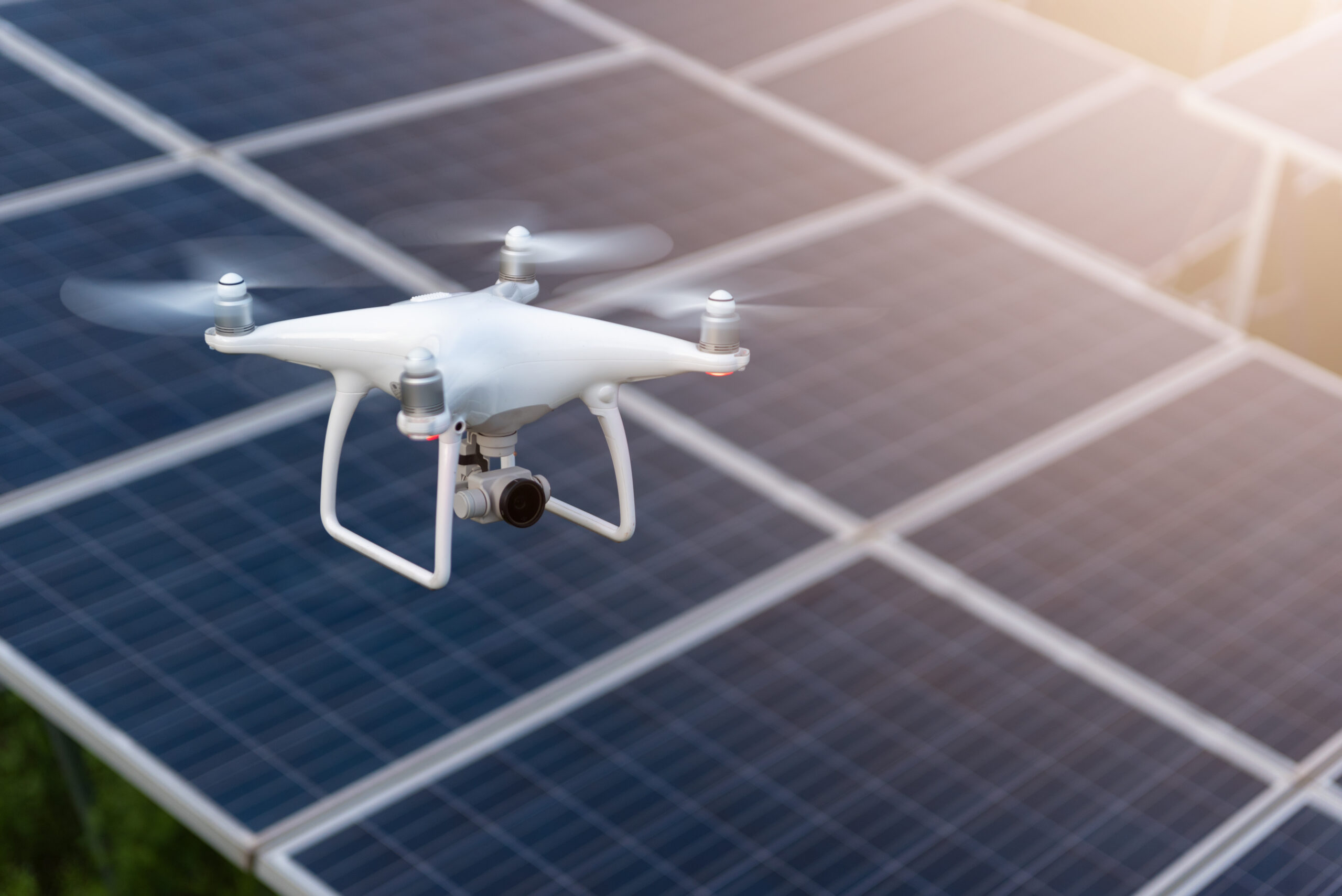

Drones flying over solar cells.Survey concept;

Read the reports

Communication network and traffic light on highway .Concept of s

Phase 1 Emerging Insights Paper

Our first paper established a shared definition of digital infrastructure, organised it into a five-category matrix, and framed the relationship between digital and sustainability as a two-way lens. It was a working document by design, built to test thinking and open a sector conversation.

Read the Paper
Digital energy grid concept with glowing circuit board lines and high voltage power transmission towers

Phase 2 Directions Paper

Phase 2 takes the next step. It explores what digital infrastructure means for infrastructure owners, practitioners, policymakers and industry, and where ISC could help the sector act. It condenses the Phase 1 framework, gives each of the five categories its own deep dive with practical questions across the asset lifecycle, shares case studies from industry, and sets out seven priorities for the sector.

Read the Paper

The two-way lens

Digital as an enabler

Connectivity, sensing, data platforms, digital twins, AI and automation can improve resource efficiency, resilience, safety, decision-making and community outcomes across the infrastructure lifecycle.

Digital infrastructure as an asset class

Data centres, networks, sensing systems, computing platforms and autonomous technologies are an asset class in their own right, with environmental, social and economic impacts to understand, manage and assess.

Five categories of digital infrastructure

Connectivity Infrastructure

Fixed broadband, mobile networks (4G/5G), LPWAN, subsea and terrestrial fibre cables. The layer the other four depend on.

Fact Sheet

Data Infrastructure

Data centres, cloud platforms, edge compute nodes, and data integration and interoperability layers.

Fact Sheet

Sensing and Device Infrastructure

IoT sensor networks, smart and multifunction poles, environmental sensing stations and transport monitoring systems.

Fact Sheet

Computing and AI Infrastructure

Digital twin platforms, AI and machine learning systems, high-performance computing clusters and AI-specific hardware.

Fact Sheet

Autonomous and Robotic Infrastructure

Robotics, autonomous plant and vehicles, drones, and human-machine systems that turn digital intelligence into physical action.

Fact Sheet

Thank you to our partners

This work would not be possible without the organisations and people who have shared their time, expertise and resources.

Workstream partners: We are grateful to our sponsors Honeywell, Jacobs and Sydney Water.

1;
2;
3;

Get involved

No single organisation can address these challenges alone. ISC will keep convening industry discussions, sharing emerging insights and developing practical guidance to support sustainable digital infrastructure across Australia and Aotearoa New Zealand. Whether you own, design, build, operate or supply digital infrastructure, we'd like to hear from you. Share a case study, join the conversation, or talk to us about partnering on the next stage of this work.

Get involved