Envirofluid Dust Suppression
Details
- Product Type Contamination and Remediation Services, Environmental Management Services, Landscaping Services
- Regions Auckland, Australia, Australian Capital Territory, Christchurch, Dunedin, Hamilton, Lower Hutt, Napier & Hastings, Nelson, New Plymouth, New South Wales, New Zealand, Northern Territory, Palmerston North, Queensland, Queenstown, Rotorua, South Australia, Tasmania, Tauranga, Victoria, Wellington, Western Australia
Contact
- Daniel Ohlmeyer 61355646455
- Website Visit
- Email daniel.ohlmeyer@envirofluid.com
ISupplier
- Company Name Envirofluid
- ISupplier Profile Visit
About
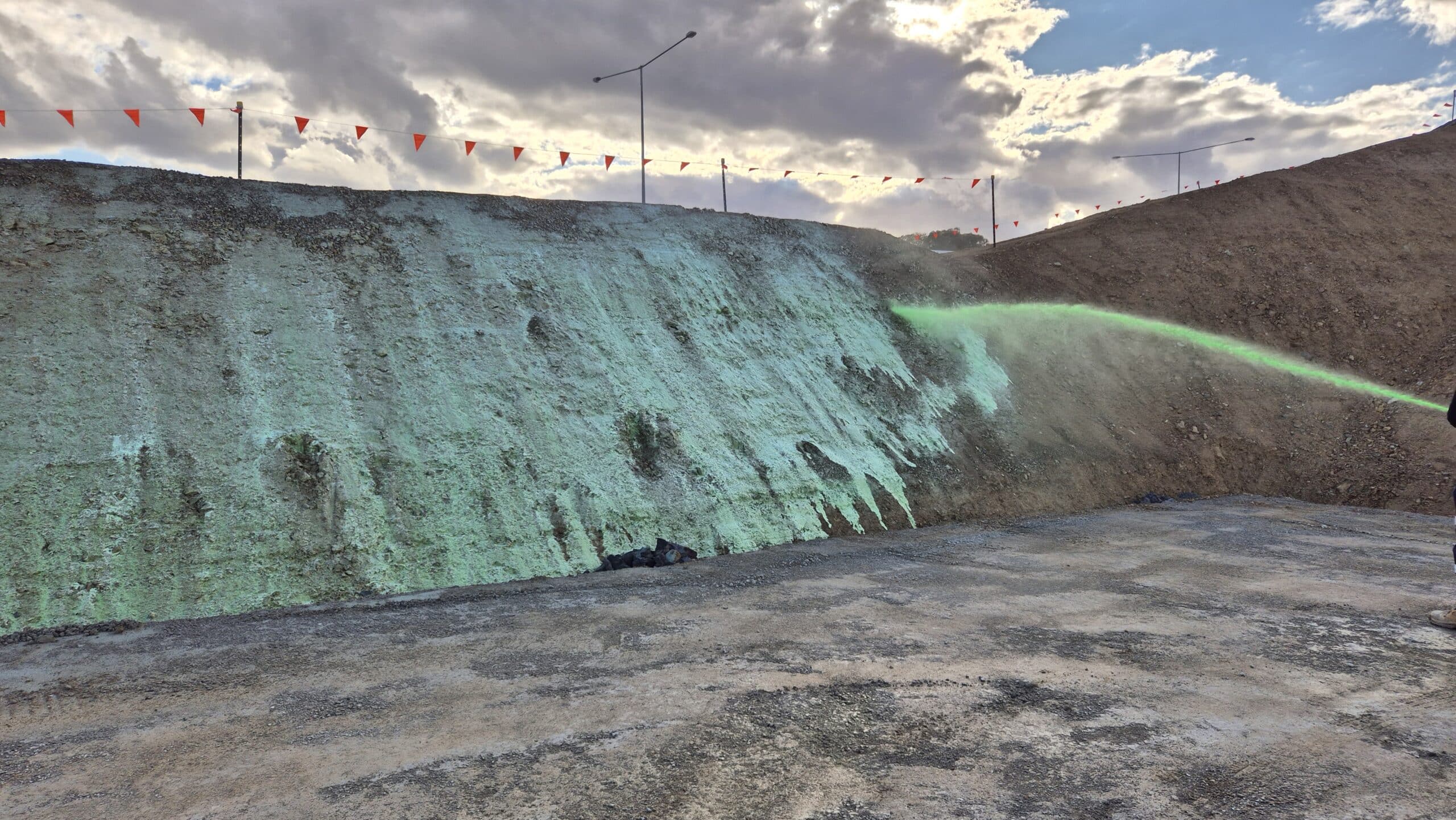
Envirofluid provides a complete, high-performance range of dust suppression solutions designed for mining, civil, construction, and infrastructure sites requiring reliable, environmentally responsible control of dust. These stabilise soil, bind particles and create durable, weather-resistant surfaces that significantly reduce dust lift under wind, traffic or operational activity.
The Envirofluid Dust Suppression range includes long-term binders for non-trafficked areas, robust haul-road treatments for heavy vehicle movements, short-term shutdown coatings, and surface-strengthening agents that reduce water usage, and improve site safety. These are engineered to maintain air quality, visibility and amenity while supporting compliance with environmental, community and regulatory standards.
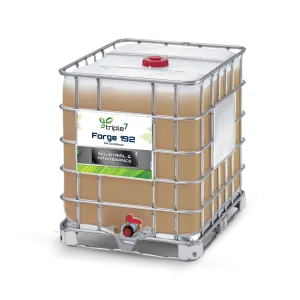
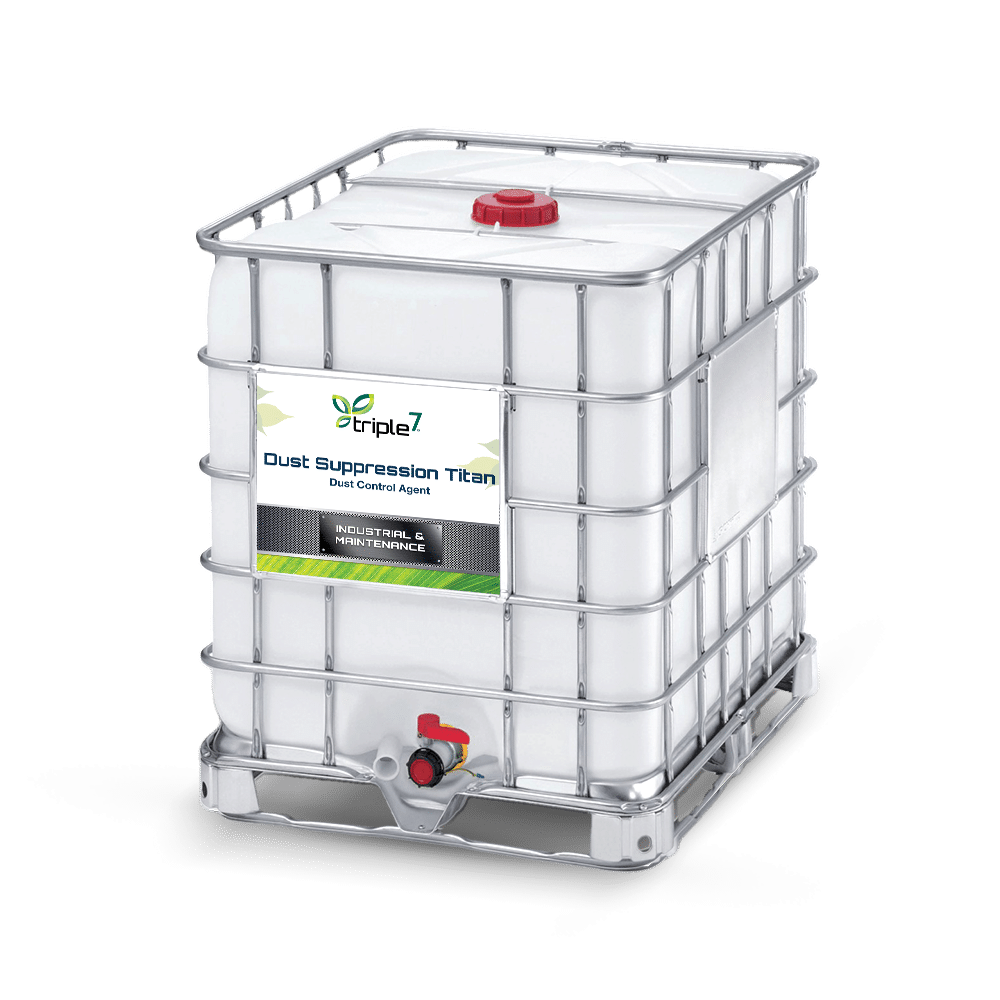
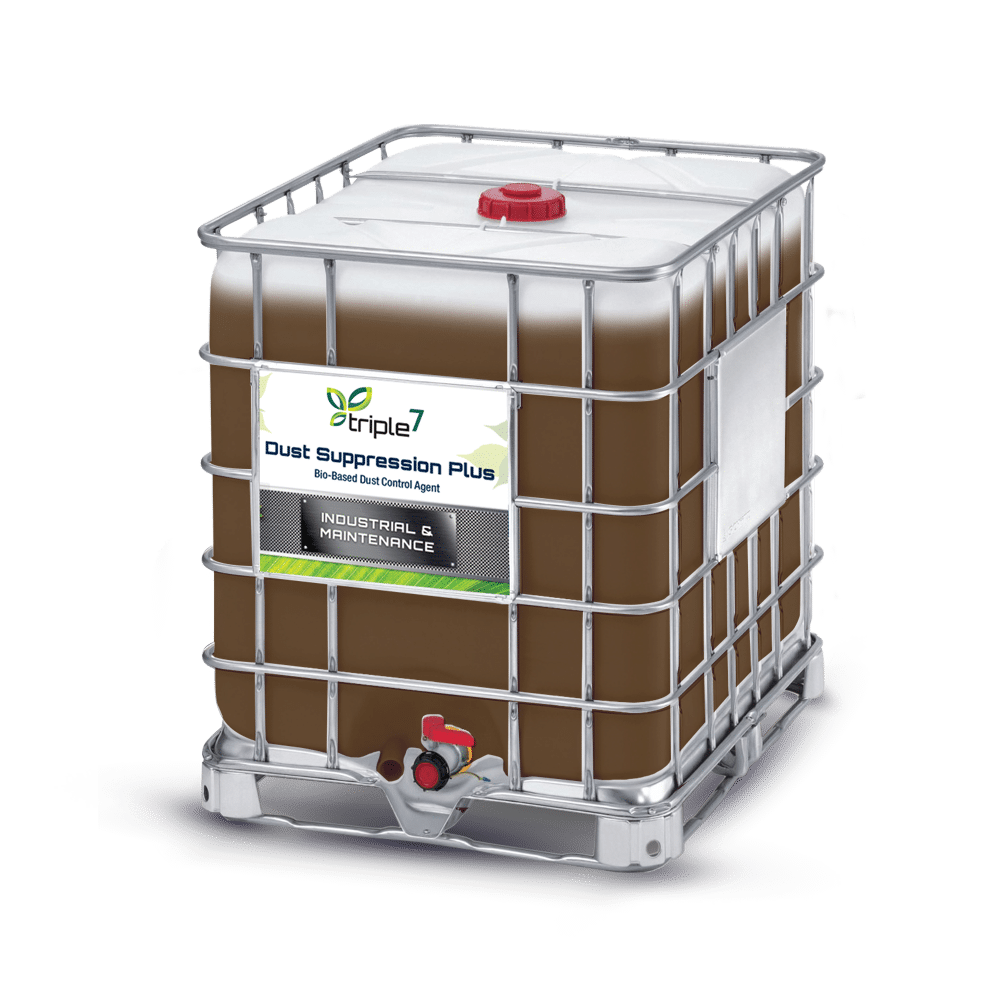
Products are supplied in clear and green variants, and can be tailored to sandy, reactive, or highly erodible soils. Whether the objective is long-duration cover, haul-road conditioning, stabilisation of stockpiles or rapid deployment for transient works, Envirofluid provides a fit-for-purpose approach built on proven performance.
Our dust suppression technologies are non-hazardous, and safe for use around personnel, vegetation and wildlife. They minimise operational disruption, reduce watering needs, and deliver measurable improvements in site compliance and environmental outcomes.
Key Benefits
Durable suppression across trafficked and non-trafficked areas
Reduces airborne dust emissions to near-zero levels
Cuts water-truck and site watering frequency
Enhances soil cohesion, weather resistance and surface strength
Non-hazardous and non-toxic
Suitable for all soil types and climatic conditions
Typical Applications
Haul roads and high-traffic industrial corridors
Stockpiles, laydown areas and exposed soil
Shutdowns, care-and-maintenance programs and temporary works
Embankments, batter surfaces and wind-affected slopes
Mining, civil, earthworks and infrastructure project sites



Sustainability Outcomes
Near-Zero Airborne Dust Emissions
By binding dust in exposed areas, Envirofluid dust suppression treatments reduce airborne particulate matter (PM₁₀/PM₂.₅), improving air quality for workers, nearby communities and ecosystems. This also lowers the risk of respiratory illness, equipment wear and environmental contamination.
Reduced Water Usage Compared to Traditional Methods
Traditional water-based suppression requires high volumes, frequent spraying and maintenance. Envirofluid’s longer-lasting treatments cut water consumption and reapplications, conserving water resources and reducing energy and labour demands.
Reduced Fuel Use and Emissions from Fewer Water Truck Runs
Extended dust-free periods mean fewer water truck passes, which reduces fuel use, greenhouse gas emissions and vehicle wear. Less site traffic also lowers noise, congestion and disturbance—supporting sustainability and safety goals.
Improved Surface Cohesion & Water Resistance → Less Erosion and Run-off
By stabilising soil and boosting water resistance, Envirofluid treatments limit erosion and sediment movement into drains or waterways. This supports land rehabilitation and protects nearby habitats.
Non-Toxic Formulations – Better for Ecosystems
Envirofluid products are safe, non-toxic and non-hazardous, minimising risks to soil biology, vegetation and downstream water users while helping sites meet strict environmental and regulatory standards.
Supports Worker Health & Equipment Longevity
Cleaner air and surfaces improve safety and visibility, while reduced dust abrasion extends machinery life and reduces replacement frequency—lowering indirect environmental and operational costs.
Reduced Maintenance Frequency & Lower Operational Footprint
Durable treated surfaces reduce grading, watering and rework. Fewer machine hours, parts and consumables translate into lower fuel use, reduced waste generation and a smaller site footprint.
Applicable Credits
| IS v1.2 | Discharges to Air, Land and Water (Dis)-1, Discharges to Air, Land and Water (Dis)-4, Ecology (Eco)-1, Innovation-1, Water (Wat)-1, Water (Wat)-2 |
| IS v2.1/IS v2.2 | Environmental Impacts (Env)-1, Environmental Impacts (Env)-4, Innovation (Inn)-1, Resource Efficiency & Management (Rso)-2, Resource Efficiency & Management (Rso)-3, Water (Wat)-1, Water (Wat)-2 |
| Env-1 (ISv2.1/IS v2.2) | Receiving Water Quality | Envirofluid dust suppression binds exposed soils and forms a stable surface that resists erosion. By keeping fine particles in place, it reduces sediment, nutrients and attached pollutants entering drains or waterways, lowering turbidity and helping projects demonstrate protection of downstream receiving waters and aquatic habitats. |
| Env-4(ISv2.1/ISv2.2) | Air Quality | Treated surfaces form a durable crust that prevents fine particles from becoming airborne under wind or traffic. This drives fugitive dust and PM₁₀/PM₂.₅ emissions towards near-zero levels, improving visibility, worker health and community amenity. These outcomes directly support Env-4 air-quality criteria. |
| Rso-2(ISv2.1/ISv2.2) | Management of Contaminated Material | On sites containing contaminated or potentially contaminated soils, stabilisation prevents generation of contaminated dust and reduces the risk of fine material being displaced by wind or stormwater. This helps contain contaminants within designated areas and supports Rso-2 requirements for controlled management. |
| Rso-3(ISv2.1/IS v2.2) | Management of Acid Sulfate Soil | Where acid sulfate soils are present, surface binding limits disturbance, dust formation and erosion. By reducing exposure and movement of these materials, the treatment assists projects in minimising oxidation risks and associated water-quality impacts in line with Rso-3 objectives. |
| Wat-1(ISv2.1/ISv2.2) | Avoiding Water Use | Long-lasting dust suppression replaces frequent water-only spraying. A single treatment can maintain control for extended periods, resulting in substantial reductions in total water use for dust management. |
| Wat-2(ISv2.1/ISv2.2) | Appropriate Use of Water Sources | Because water demand is greatly reduced, the small volume required for dilution and application can be sourced from non-potable supplies such as harvested stormwater or recycled site water. Product performance is maintained with typical non-potable sources, enabling projects to shift away from drinking-quality water. |
| Inn-1(ISv2.1/ISv2.2) | Innovation | Contributes to Innovation Challenge-4: Sustainable Supplier and iSupply. |
| Dis-1(ISv1.2) | Receiving Water Quality | Envirofluid dust suppression treatments stabilise exposed soils and form water-resistant surfaces that reduce erosion and sediment run-off. By binding fine particles in place, they limit transport of clay and silt into drains and waterways, lowering turbidity and helping projects show that downstream water quality is maintained or improved. |
| Dis-4(ISv1.2) | Air Quality | Envirofluid dust suppression reduces fugitive dust from haul roads, stockpiles and exposed areas. Treated surfaces resist disturbance and prevent fine particles becoming airborne, driving PM₁₀ and PM₂.₅ levels down, improving visibility, protecting worker health and supporting Dis-4 air-quality criteria for site and community amenity. |
| Eco-1(ISv1.2) | Ecological Value | By minimising erosion and protecting topsoil, Envirofluid treatments help conserve terrestrial and aquatic habitats. Stabilised surfaces reduce siltation of streams and wetlands, support healthier vegetation and fauna, and improve rehabilitation success, contributing to the protection and enhancement goals of Eco-1. |
| Wat-1(ISv1.2) | Water Use Monitoring & Reduction | Envirofluid dust suppression options replace frequent water-only spraying with longer-lasting treatments. A single application can maintain control for extended periods, delivering a measurable reduction in total water used for dust management that can be tracked against baselines to support Wat-1 water-efficiency targets. |
| Wat-2(ISv1.2) | Replace Potable Water | Because Envirofluid systems significantly reduce total water demand, remaining application water can more easily be sourced from non-potable supplies such as captured stormwater or recycled site water. Compatibility with typical non-potable sources allows projects to substitute away from drinking-quality water, supporting Wat-2 outcomes. |
| Inn-1(ISv1.2) | Innovation | Contributes to Innovation Challenge-8: Sustainable Supplier and iSupply. |
More from Envirofluid