Description
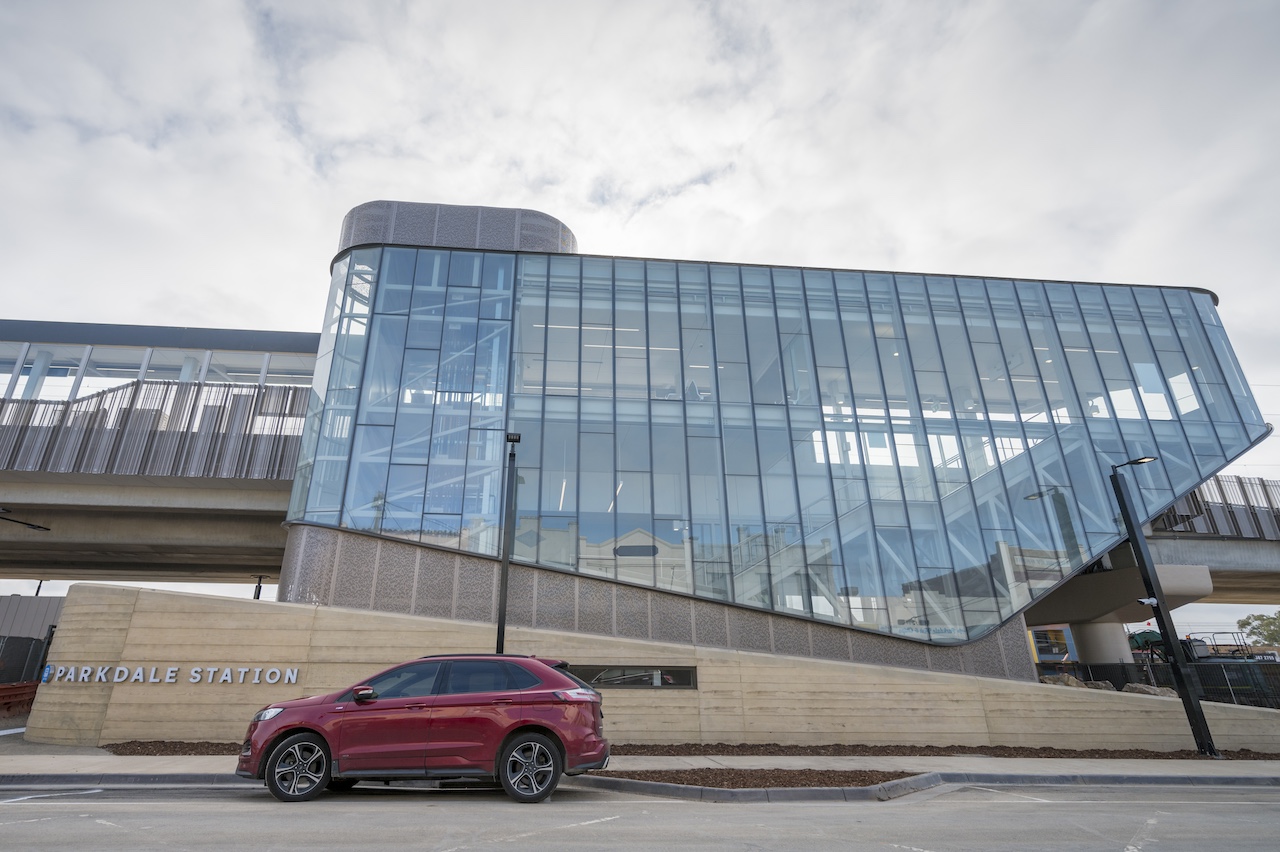
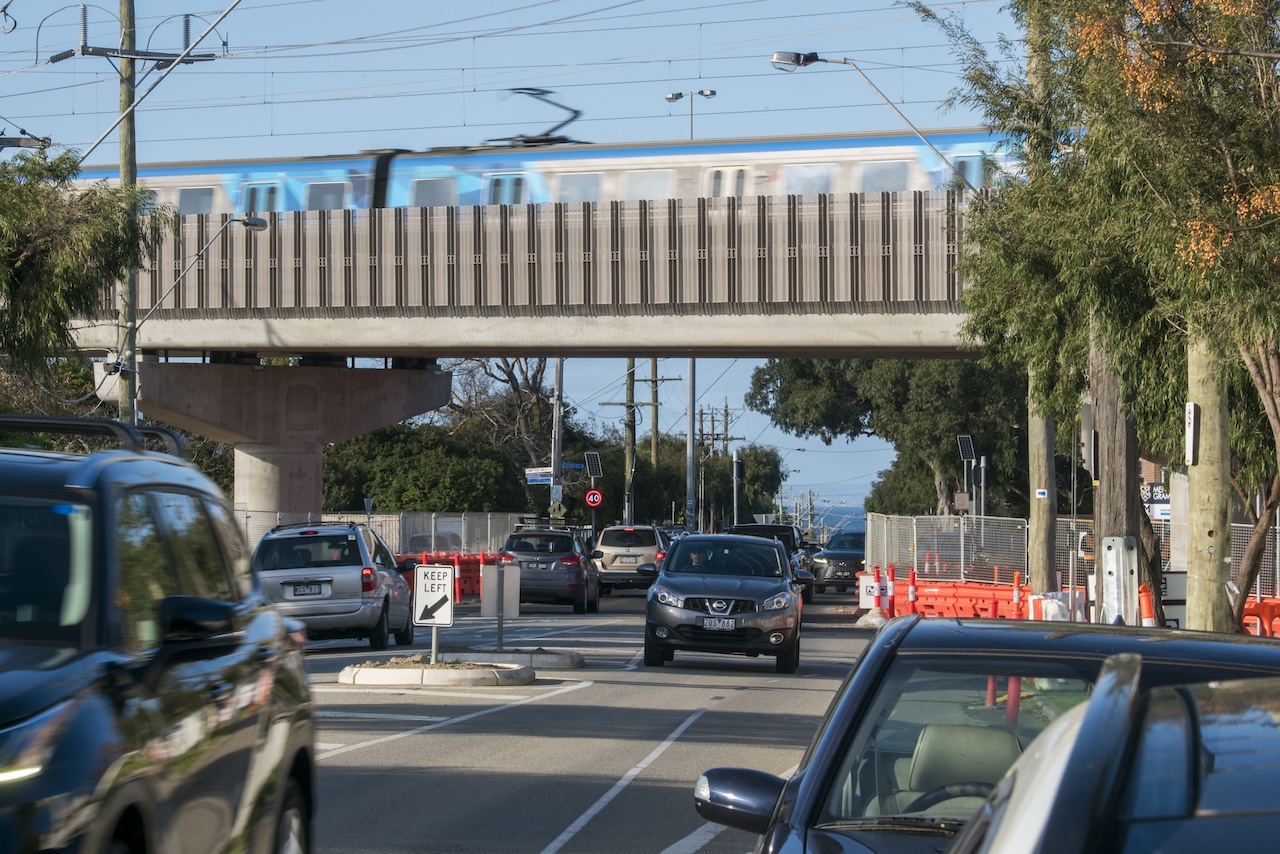
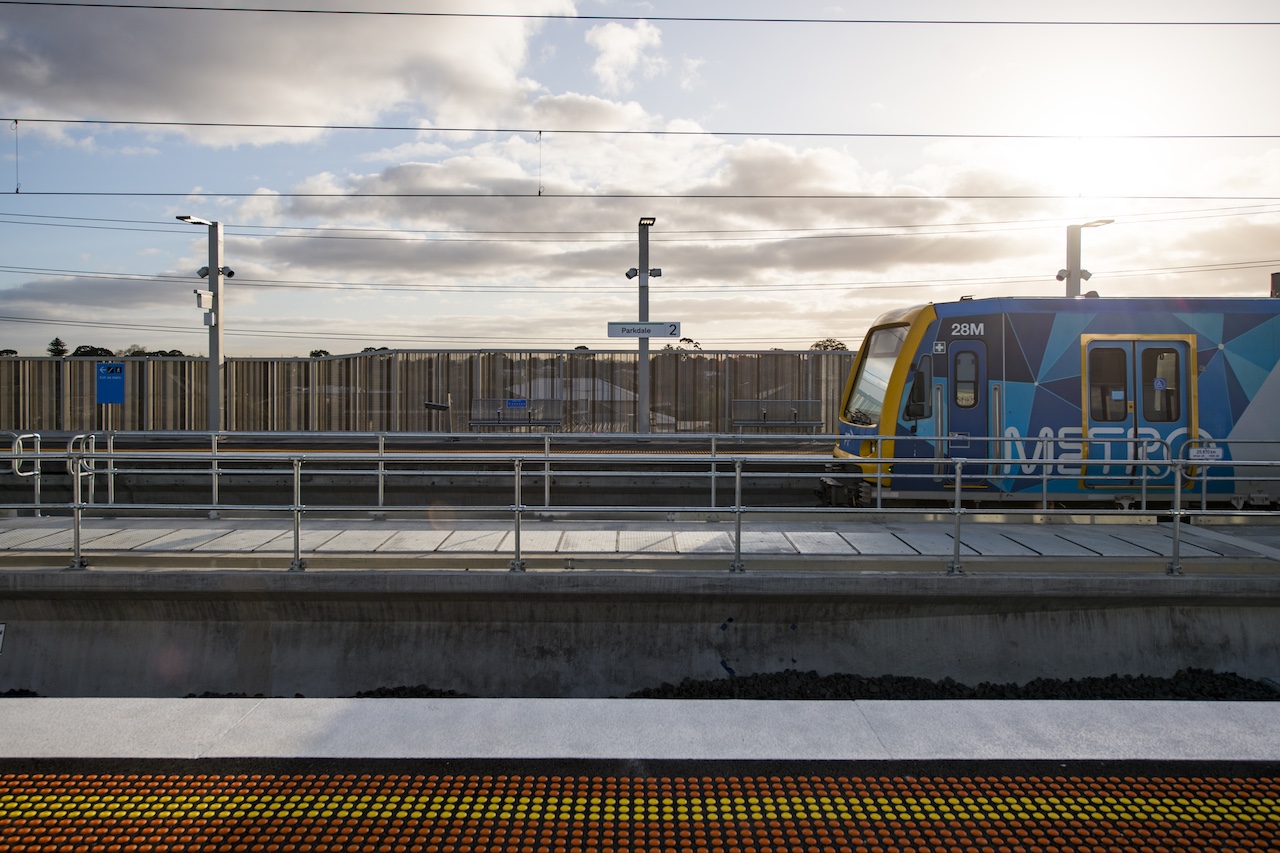
The Additional Works Package 6 (AWP6) involves the removal of 2 level crossings through a rail over scenario at Parkers Road Parkdale & Warrigal Road Mentone, and the construction of a new station at Parkdale.
Acknowledgement
People:
Shout out to Sam Chitty and Jayden Eddy for the crucial environmental inputs into the successful verification.
Thanks to WSP Sustainability team for their support.
Suppliers:
- Stratex/Cacti Conserve/Assembled Threads, Recycled Silt socks
- Noveco Surfaces - Green Tiles Ceramic
- Alfasi/Q4 – Electric Boom Hire & Operation
Testimonial
We acknowledge the hard work, team effort and time that went in to deliver this outcome
Huge thanks to everyone across the SPA team for all your support, really proud of the achievement
-Hala Nader, Sustainability Advisor, Southern Program Alliance
Rating Highlights
| Category | Credits | Achievements |
| Urban and Landscape Design | Urb-1 | - New open spaces and community areas such as basketball courts and outdoor gym
- Elevated rail line creates more community connections - Approximately 100,000 trees, shrubs and grasses in and around the new station precinct |
| Stakeholder Participation | Sta-3 & Sta-4 | The community was communicated effectively, and their concerns were addressed |
| Community Health, Well-being and Safety | Hea-1 | - Dedicated shared user path provides convenient station access for cyclists and pedestrians
- Safer transport connections - Bicycle hoops and Parkiteer provided for secure bicycle storage |
| Heritage | Her-1 & Her-2 | -Interpretive Signs installed outlining cultural values associated with the Parkdale area
- Habitat Poles, Nest boxes, Insect hotels and Salvaged Timber installed to support the return of indigenous fauna - Palm Tree/Trees transplanting - 2 bronze sculptures installed that capture historic and contemporary elements of Parkdale. |
| Ecology | Eco-1 | 55% enhancement in Ecological value. |
| Energy and Carbon | Ene-1 & Ene-2 | -14% of construction and operational energy sourced through recyclable sources.
-10 kW of solar capacity installed on roof - Energy efficient lighting installed |
| Water
|
Wat-1 | -13% reduction in water use.
-Water efficient taps & toilets installed throughout the new station -10,000 litre water tank installed to capture & reuse rainwater - Water is captured in the rail viaduct and used to irrigate plants |
| Materials | Mat-1 | - 16% reduction of greenhouse gas emissions from embodied carbon in materials
-Use of low carbon concrete through cement replacement - Use of asphalt which includes recycled and waste materials |
Verified Innovations
| Name | Innovation Type | Description |
| Green Ceramic Tiles | Innovative Technology or Process
State First |
The use of Green tile Ceramics (Noveco Surfaces) within the station PSO and toilet areas. This product contains 80% recycled content. |
| Recycled Silt Socks | Innovative Technology or Process
Australian First |
The innovation is an Australian first silt sock made from 100% recycled construction waste materials and incorporating social enterprise in the manufacture which provides an improved option for managing sediment control requirements on site.
This innovation addresses economic and environmental concerns.
Environmental: · The PVC gawk screens are reused in the manufacture of silt socks which also incorporate the use of recycled aggregate. · These recycled silt socks are used as an environmental pollution control to mitigate construction related sediment from entering the stormwater system.
Social: · A local social enterprise Assembled Threads (who also produce recycled high visibility vests for SPA) is involved in the cutting and sewing of the ‘socks’ made from the recycled gawk screen. · These products are available for purchase from Cacti Conserve or Stratex who were both involved in the product development.
Environmental & Economic:
· Used Silt Sock - Reduction of waste, The use of the recycled silt sock and the corresponding decreased in the number of polypropylene silt socks required has resulted in a decrease in the amount of both polypropylene and waste gawk screen waste going to landfill.
Economic: · Fuel and Greenhouse Reduction: The reduced time/task associated with replacing the recycled socks means less time travelling around site in a Ute replacing them. · Assessment of use from these silt socks over the past 12 months shows that these recycled socks last three to five times longer than geotextile silt socks, which reduces cost, waste and carbon footprint.
Outcomes & Benefits: The outcomes of this newly identified and implemented circular economy initiative have resulted in carbon savings through the reuse of materials and expansion in the market for this type of material (as the silt socks have been taken up by other projects with over 1200 of them now manufactured for use across Australia).
Additional Value – Decrease in project costs The silt socks are also a financial benefit due to lower overall costs over the package, Considering the increased expense often associated with green construction solutions – particularly those manufactured locally in Melbourne – financial benefit was not an initial motivation behind development of SPA’s 100% Recycled Pollution Control. In fact, on a per unit basis, the cost of SPA’s recycled silt sock was more than double the cost of geotextile alternatives. However, owing to its increased durability, which exceeded expectations, this innovation ultimately delivers cost benefits over the product’s lifespan. In addition to direct savings stemming from reduced product costs, savings have also been realised via decreased labour time involved in silt sock management.
|