Description:
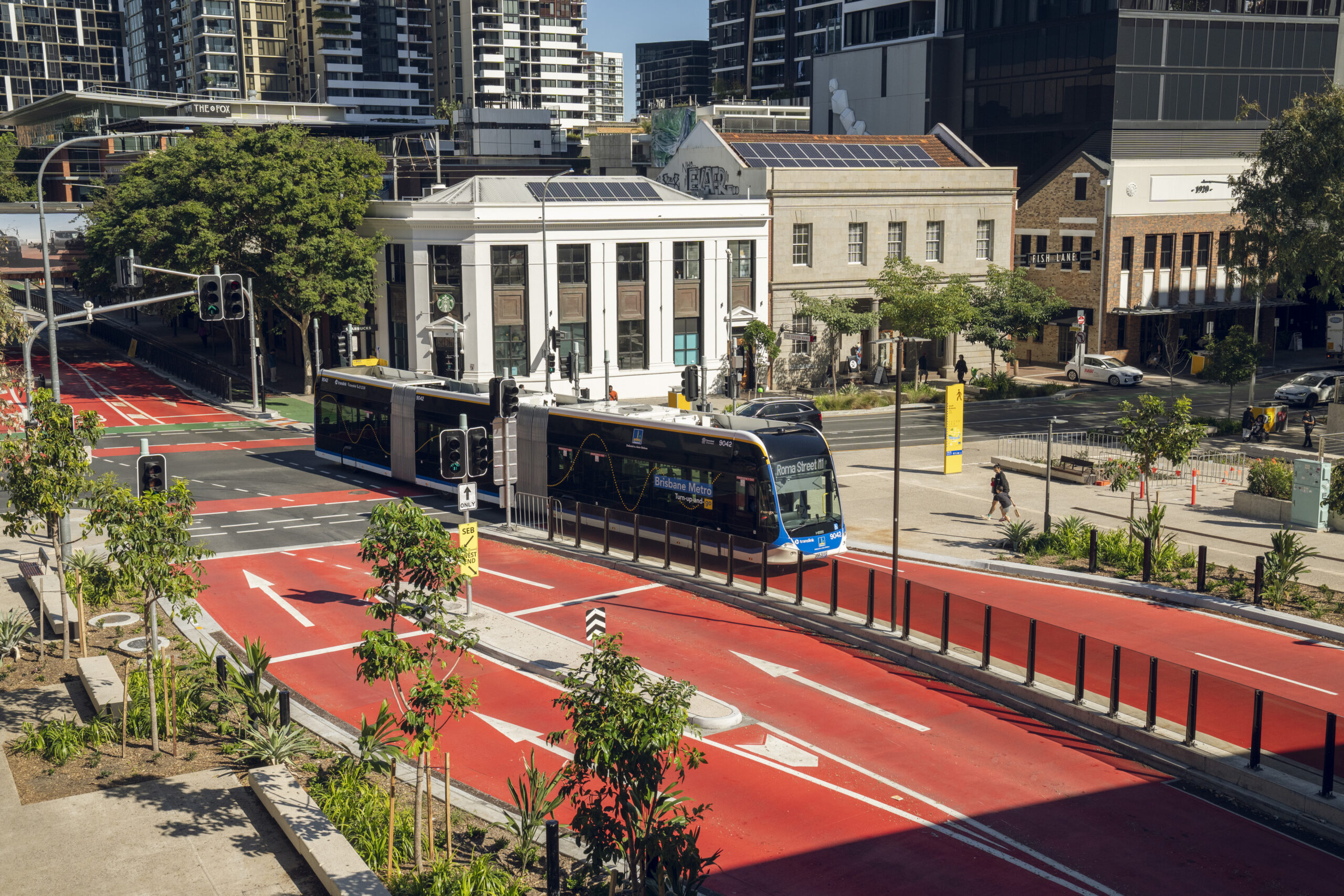
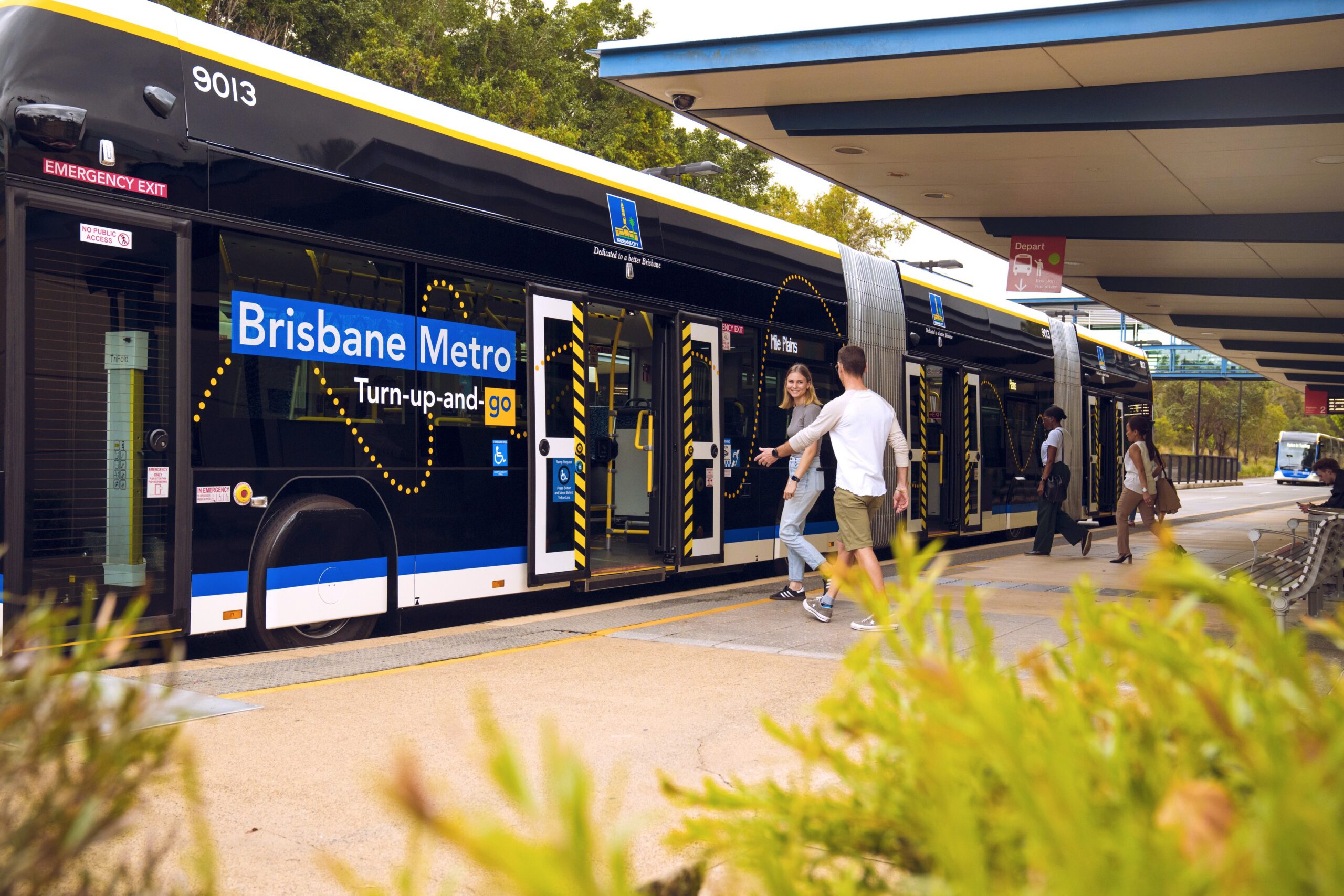
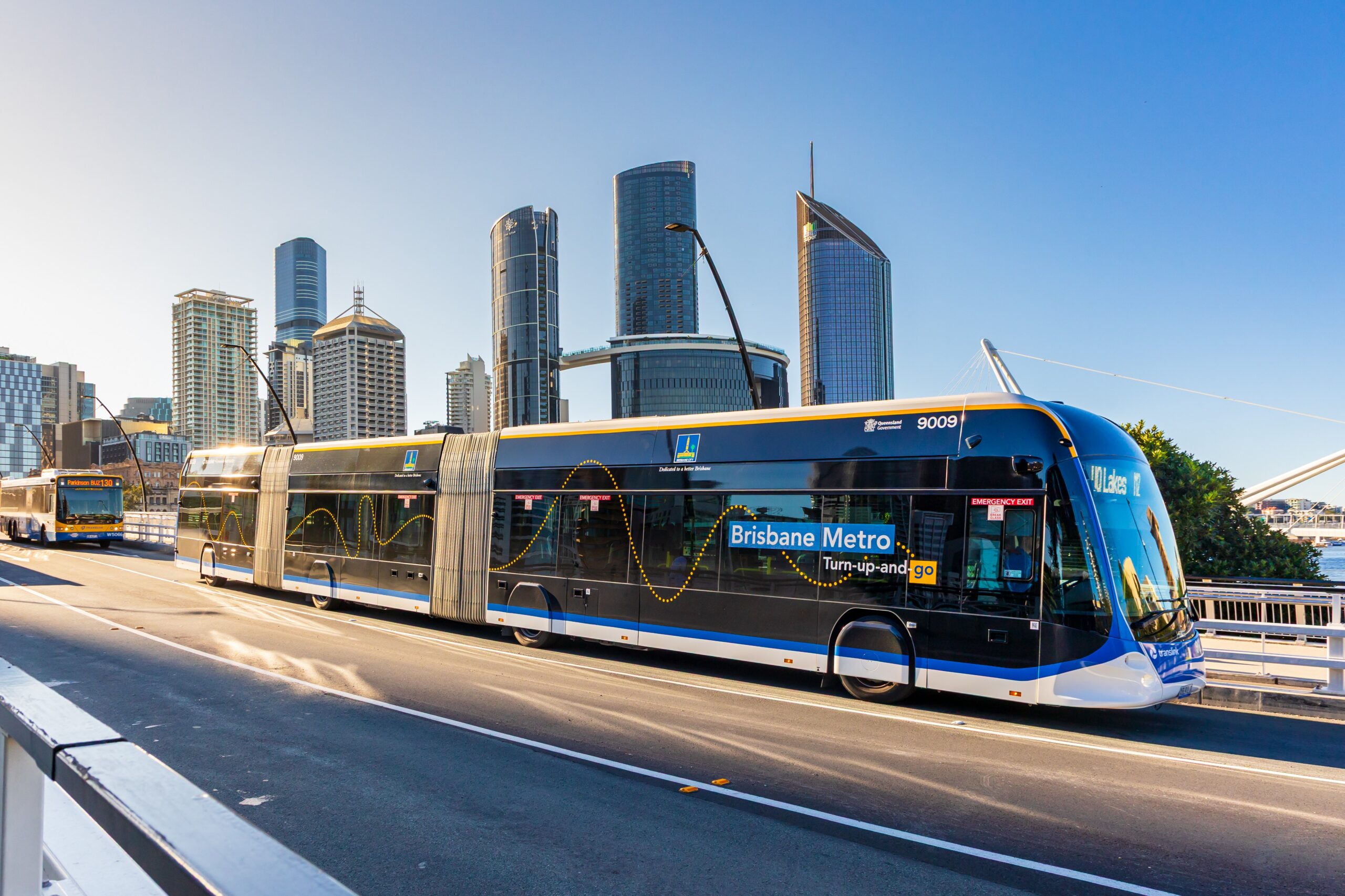
Brisbane City Council has delivered new and improved infrastructure to support the introduction of Brisbane Metro. Council worked with Brisbane Move - a partnership comprising construction-lead ACCIONA and design-lead Arup - to design and deliver the major infrastructure works for the project.
This includes:
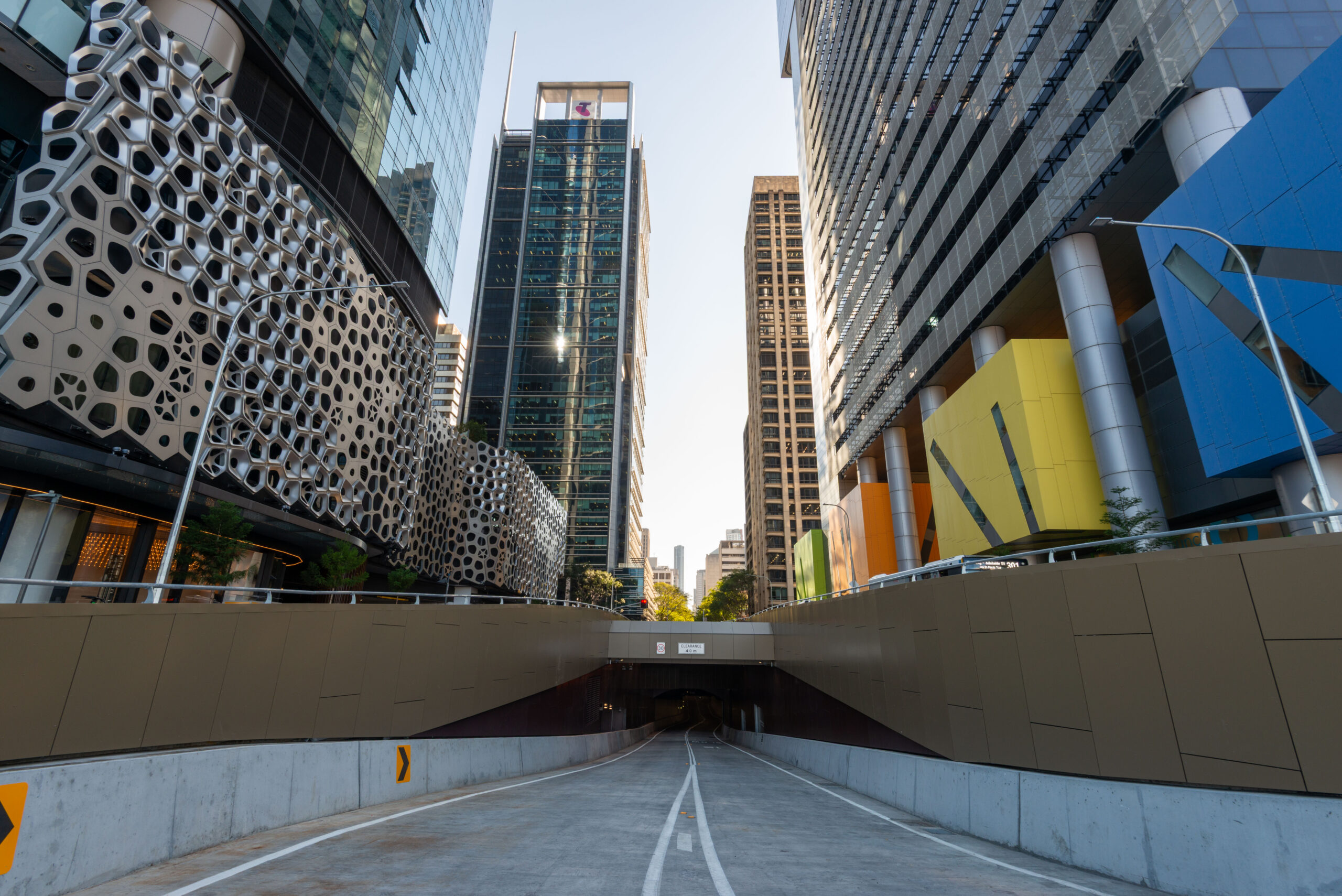
- A new tunnel beneath Adelaide Street connecting with the existing King George Square tunnel under Albert Street.
- Upgraded bus stations at King George Square, UQ Lakes, Buranda and the Cultural Centre station.
- Significant public space improvements on Melbourne Street and Grey Steet in South Brisbane and on Adelaide Street, North Quay and William Street in Brisbane’s CBD.
- Significant new sewer infrastructure.
- An enhanced and strengthened Victoria Bridge providing three lanes for Brisbane Metro and bus services and upgraded cycling and pedestrian pathways.
Rating Highlights
| Category | Credits | Achievements |
| Energy and Carbon | Monitoring and reduction (Ene-1) and Use of renewable (Ene-2) |
|
| Materials | Materials footprint measurement and reduction (Mat-1) |
|
| Waste | Diversion from landfill (Was-2) | 99.17% of uncontaminated spoil (106,558 m3) and 88.86% of inner and non-hazardous waste (172,060m3) were diverted from landfill through resource recovery. |
| Community health, wellbeing, and safety | Community health, wellbeing (Hea-1) | Positive contribution to three issues identified by the community:
Development programs, social procurement and cultural awareness activities. |
| Heritage | Heritage assessment and management (Her-1) | Heritage protection, interpretation, and enhancement:
|
Verified Innovations
| Name | Innovation Type | Description |
| Ultra-High Performance Concrete Blisters | Innovative technology or process – Australian First | In an Australian first, the Victoria Bridge strengthening works employed external post-tensioning using Ultra-High-Performance Fibre-reinforced Concrete Blisters.
Benefits included:
|
| Trinocular and Binocular tunneling techniques | Innovative technology or process – Australian First | In an Australian first, the Adelaide Street mined tunnel using trinocular and binocular techniques beneath a live CBD corridor.
Benefits included:
|
Acknowledgments – People
The Collaborative Partnership acknowledges the Traditional Custodians of the land on which Brisbane Metro is located, and pays respect to Elders past, present and emerging.
In August 2021, Brisbane Move engaged the Turrbal Tribe, to create an Acknowledgment of Country artwork. The artwork was created by Turrbal in-house artist, Kulkarawa Meeanjinu, who is an Aboriginal artist from Brisbane and is a Turrbal and Gubbi Gubbi woman with additional bloodline connections to Wakka Wakka, Kamilaroi and Birri Gubba Country. She was named after her great, great, great grandmother who was the daughter of Daki Yakka (Chief of the Brisbane Tribe during the first half of the 19th century). The design incorporates colours that complement the Brisbane Move logo and reflects on the many journeys around and across the Brisbane River. In Turrbal’s Dreamtime stories, the Brisbane River was created by the rainbow serpent, which has special significance in Aboriginal spirituality. Kulkarawa has made the blue snake, which symbolises the Brisbane River, the centre of this piece. The concentric green circles represent the many communities within Brisbane. The bright yellow rings and lines represent the modern modes of transport that mobilise people, enabling them to connect with one another.
The light-yellow dots symbolise the many people in transit who are venturing out on their different journeys in present-day Brisbane. By contrast, the white footprints depict walking as a primary transportation mode for the Turrbal people. In traditional times, Turrbal people travelled mainly on foot or in canoes. The white curlicues within the snake are symbolic of various paths along the river which were canoed by Turrbal people. Kulkarawa's piece captures the existence of both traditional and modern transportation modes in Brisbane.
Acknowledgments – Suppliers
Subcontractors and Suppliers
Brisbane Move would like to extend our sincere gratitude to all the subcontractors and suppliers who contributed to the success of the Brisbane Metro major infrastructure works. Your dedication and expertise have been invaluable in achieving the project’s sustainability goals and obtaining the IS Design and As Built Rating certification.
Special Acknowledgment: Freyssinet
Brisbane Move would like to specifically acknowledge Freyssinet for their exceptional work on Victoria Bridge on the precast anchorage blisters. Their expertise in structural strengthening and innovative engineering solutions played a crucial role in the enhancement of this iconic piece of infrastructure.
Freyssinet Australia participated in a 10-week Early Contractor Involvement (ECI) phase to establish the methods and techniques for developing the anchorage design. Freyssinet Australia were appointed as a specialist subcontractor to design, develop, and prototype test the precast anchorage blisters utilising ultra-high-performance fibre-reinforced concrete (UHPFRC) made from the Dura® mix design.
Testimonial
"The Brisbane Metro project was the catalyst for reshaping more than 2.5 kilometres of the inner‑city’s public realm. Its interventions deliver more generous public places, improved connections to major cultural institutions and civic buildings, and a deeply contextual placemaking approach that respects heritage while responding to the immediate locality’s intensity of use. The decluttering of Adelaide Street and reopening of key view corridors at the Queensland Cultural Centre exemplify this ambition. Through the integration of art, landscape, and architecture, the project elevates essential transport infrastructure, expands canopy cover, and celebrates Brisbane’s climate, identity, and evolving urban character. The IS Rating tool has been an excellent tool to map the project’s impact.”
Gavin Soward, Project Director, Brisbane Metro