Porous Lane Permeable Kerb and Channel System
Details
- Product Type Composite Materials, Geosynthetic Materials
- Regions Auckland, Australian Capital Territory, Christchurch, Dunedin, Hamilton, Lower Hutt, Napier & Hastings, Nelson, New Plymouth, New South Wales, Northern Territory, Palmerston North, Queensland, Queenstown, Rotorua, South Australia, Tasmania, Tauranga, Victoria, Wellington, Western Australia
Contact
- Bradley Camgoz Posselt 0479069421
- Website Visit
- Email bradley@porouslane.com.au
ISupplier
- Company Name Porous Lane
- ISupplier Profile Visit
About
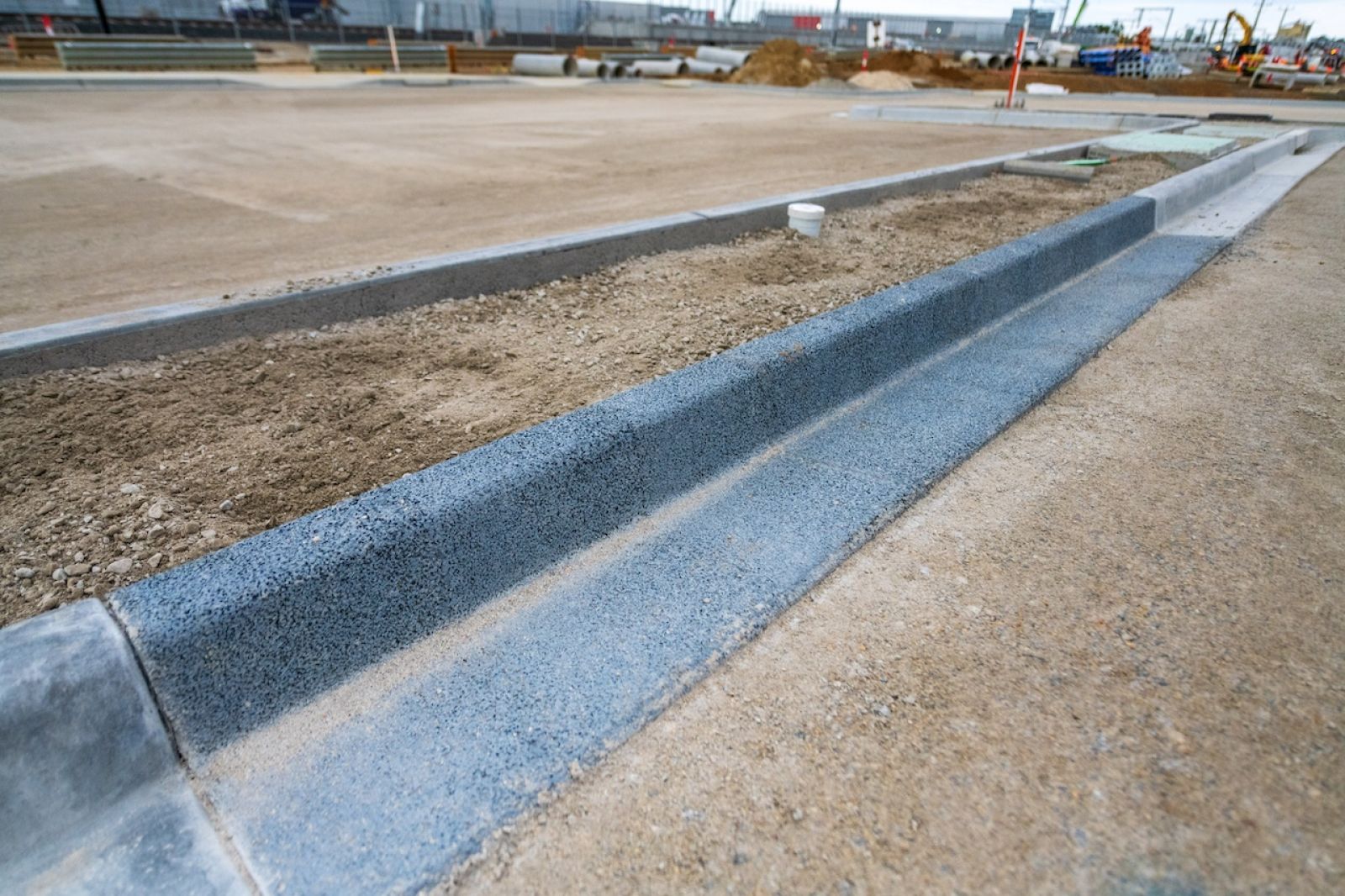
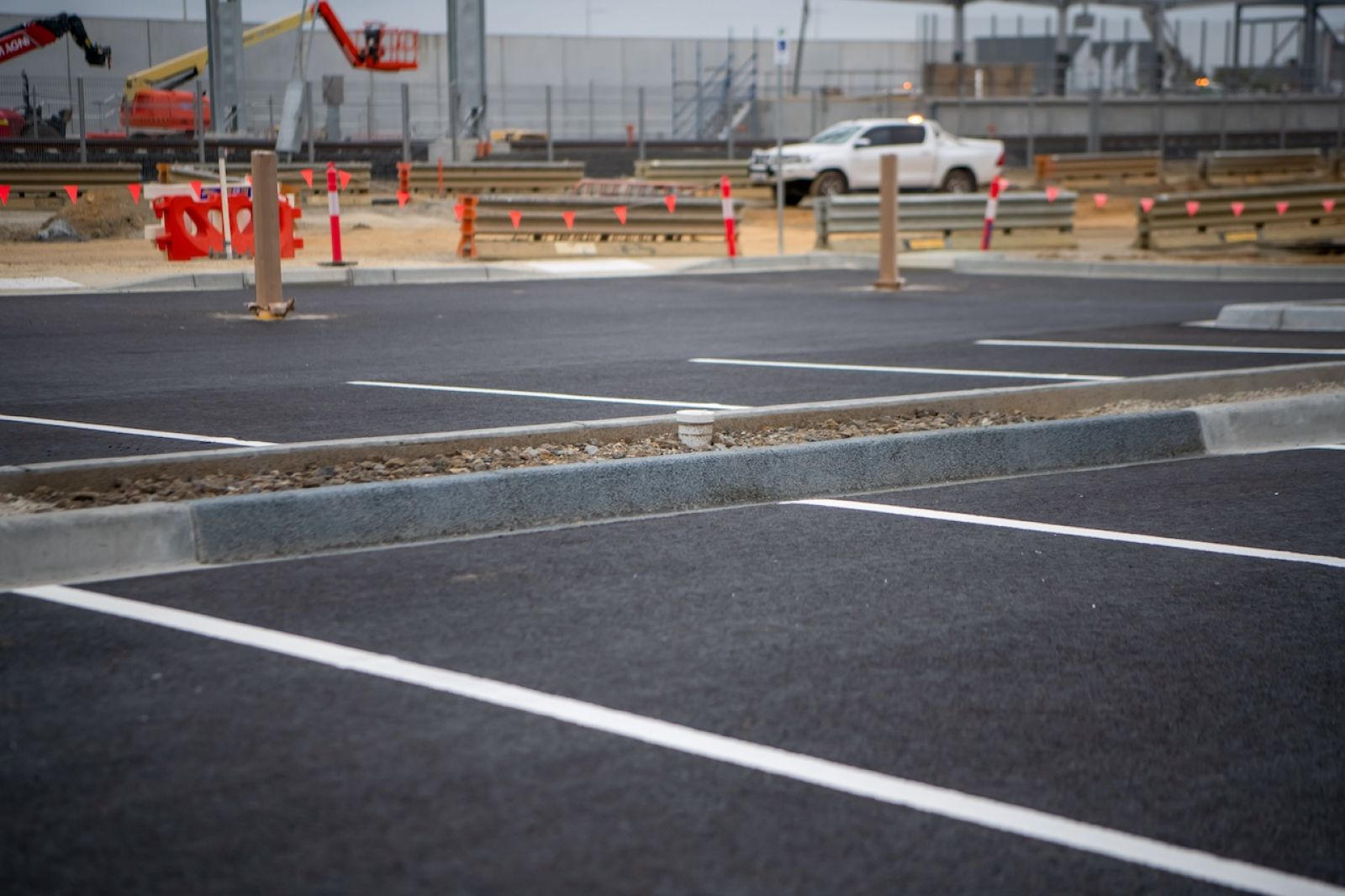
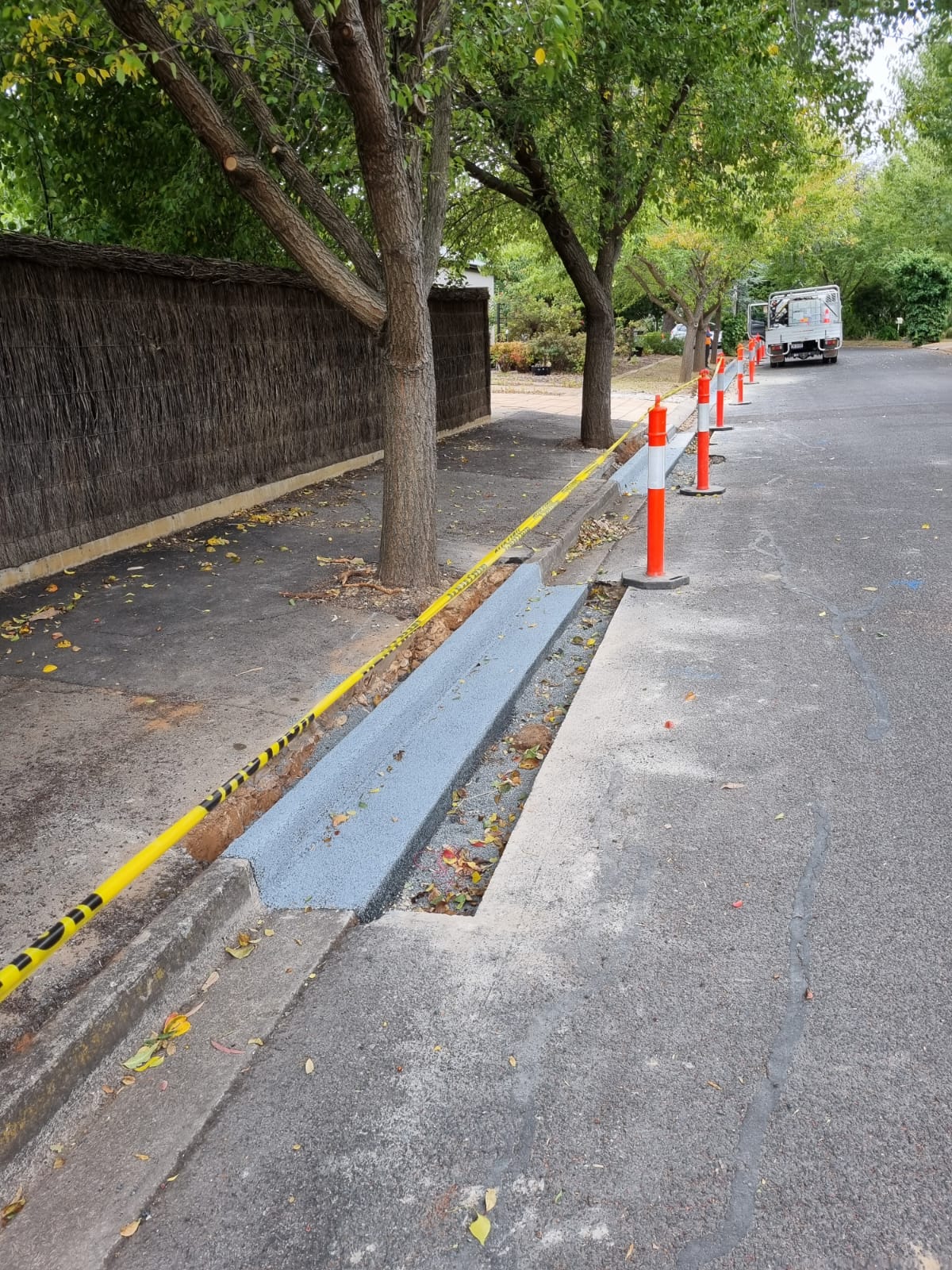
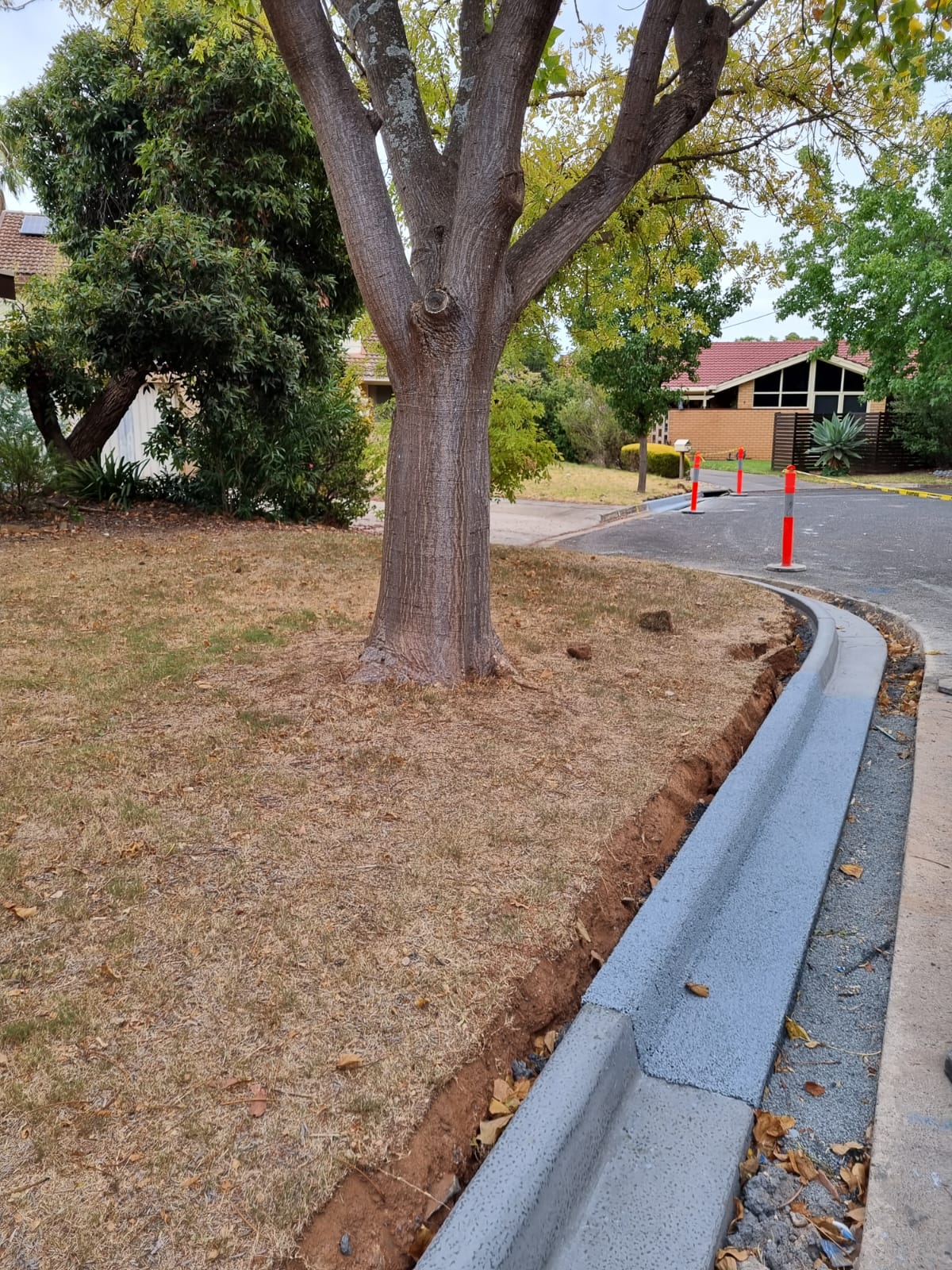
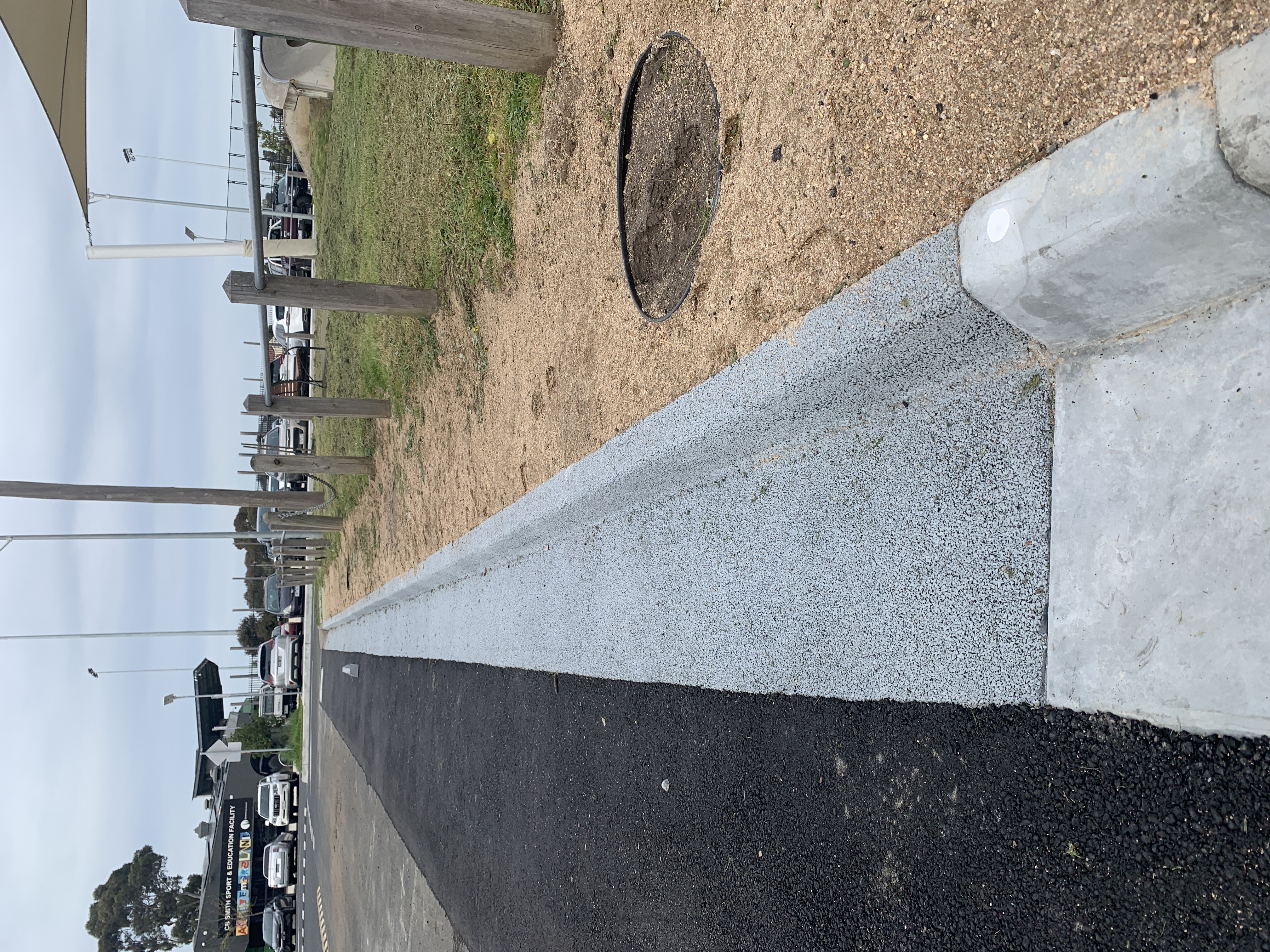
This innovative product kerb and channel system provides a distributed method for infiltrating and treating stormwater flows using recycled materials. It has been demonstrated to infiltrate up to 80% of stormwater volume to the nature strip for passive irrigation, as well as reducing the risk of sediment clogging compared with non-distributed systems such as kerb inlets.
The permeable kerb and channel is made from recycled Australian waste tyre using a similar mix to Porous Lane’s permeable pavement technology. The tyre aggregate provides more force absorption on impact, providing a safer system for vehicles than concrete kerbs.

Sustainability Outcomes
Porous Lane’s permeable kerb & channel system can provide passive irrigation to nearby trees and landscaped spaces, providing better utilisation of stormwater and reducing the use of potable water. The kerb also functions as a filtration system, effectively treating stormwater and the volume of harmful particles entering our waterways via runoff.
The material mix is made from 50% recycled tyre content and has a lower carbon footprint concrete as it does not require cement. It has been tested for leachates and micro-plastics, ensuring there is no negative impact on water flowing through the system.
Applicable Credits
| IS v1.2 | Climate Change Adaptation (Cli)-2, Community, Health, Wellbeing and Safety (Hea)-1, Discharges to Air, Land and Water (Dis)-1, Energy and Carbon (Ene)-1, Innovation-1, Land (Lan)-4, Materials (Mat)-2, Materials footprint measurement and reduction (Mat)-1, Waste (Was)-2, Water (Wat)-1, Water (Wat)-2 |
| IS v2.1/IS v2.2 | Energy and Carbon (Ene)-1, Environmental Impacts (Env)-1, Innovation-1, Material Life Cycle Impact Measurement and Management (Rso)-6, Resilience (Res)-1, Resilience (Res)-2, Resource Efficiency & Management (Rso)-4, Water (Wat)-1, Water (Wat)-2 |
| Inn-1 (ISv1.2) | Innovation | Can contribute to Innovation Challenge. 8: Sustainable Supplier and ISupply . |
| Inn-1 (ISv2.1/ISv2.2) | Innovation | Can contribute to Innovation Challenge. 4: Sustainable Supplier and ISupply. |
| Cli-2 (ISv1.2) | Adaptation options | Can reduce the risk of flooding in climate change related high-rainfall events through incorporating water storage capacity beneath the kerb. |
| Dis-1 (ISv1.2) | Receiving water quality | Can reduce the volume of stormwater discharged from a project. It can also treat stormwater reducing nitrates, heavy metals and suspended solids present in water that has passed through the kerb. |
| Ene-1 (ISv1.2) | Energy and carbon monitoring and reduction | Minimises energy use during construction as the material is mixed in ambient temperature, no heat is required. Porous Lane carbon footprint has been measured through a Life Cycle Assessment. |
| Hea-1 (ISv1.2) | Community health and well-being | Contributes to safer infrastructure by the crack-resistance of the material, preventing tripping hazards, as well as reducing stormwater runoff creating potential hazards. |
| Mat-1 (ISv1.2) | Materials footprint measurement and reduction | The Porous Lane Kerb & Channel system is partly made of recycled tyre content, provided by organisations accredited by Tyre Stewardship Australia. |
| Mat-2 (ISv1.2) | Environmentally labelled products and supply chains | The Porous Lane Kerb & Channel system is partly made of recycled tyre content, provided by organisations accredited by Tyre Stewardship Australia. |
| Was-2 (ISv1.2) | Diversion from landfill | Can be recycled after end-of-life, reusing the material in the screening or base layer of any Porous Lane installation. |
| Wat-1 (ISv1.2) | Water use monitoring and reduction | Can reduce water use through the harvesting of stormwater for passive irrigation or to be redirected for re-use. |
| Ene-1 (ISv2.1/ISv2.2) | Energy Efficiency and Carbon Reductions | Reduces energy use and carbon emissions during construction as no heat is required and by using recycled tyre content. |
| Env-1 (ISv2.1/ISv2.2) | Receiving Water Quality | Can reduce the volume of stormwater discharged from a project. It also treats stormwater reducing nitrates, heavy metals and suspended solids present in water that has passed through the kerb. |
| Res-2 (ISv2.1/ISv2.2) | Resilience Planning | Can reduce the risk of cracking creating tripping hazards, as the material is flexible, creating long-lasting safe infrastructure. |
| Res-1 (ISv2.1/ISv2.2) | Climate and Natural Hazards Risks | Can reduce the risk of flooding in climate change related high-rainfall events through incorporating water storage capacity beneath the kerb and reduce stormwater runoff. |
| Rso-6 (ISv2.1/ISv2.2) | Material Life Cycle Impact Measurement and Management | The Porous Lane Kerb & Channel system has a lower embodied carbon footprint than concrete. |
| Rso-4 (ISv2.1/ISv2.2) | Resource Recovery and Management | The Porous Lane Kerb & Channel system is partly made of recycled tyre content, diverting tyres from going to landfill. |
| Lan-4 (ISv1.2) | Flooding design | Can reduce the risk of flooding in climate change related high-rainfall events through incorporating water storage capacity beneath the kerb and reduce stormwater runoff. |
| Wat-2 (ISv1.2) | Replace potable water | Reduces the amount of potable water needed to irrigate trees and other landscaped areas. |
| Wat-1 (ISv2.1/ISv2.2) | Avoiding Water Use | Can reduce water use through the harvesting of stormwater for passive irrigation or to be redirected for re-use. |
| Wat-2 (ISv2.1/ISv2-2) | Appropriate Use of Water Sources | Reduces the amount of potable water needed to irrigate trees and other landscaped areas. |
More from Porous Lane