2019 Infrastructure Sustainability Awards Case Study
Sydney Metro City & Southwest Tunnel and Station Excavation Works
Proponents: John Holland, CPB & GHELLA JV
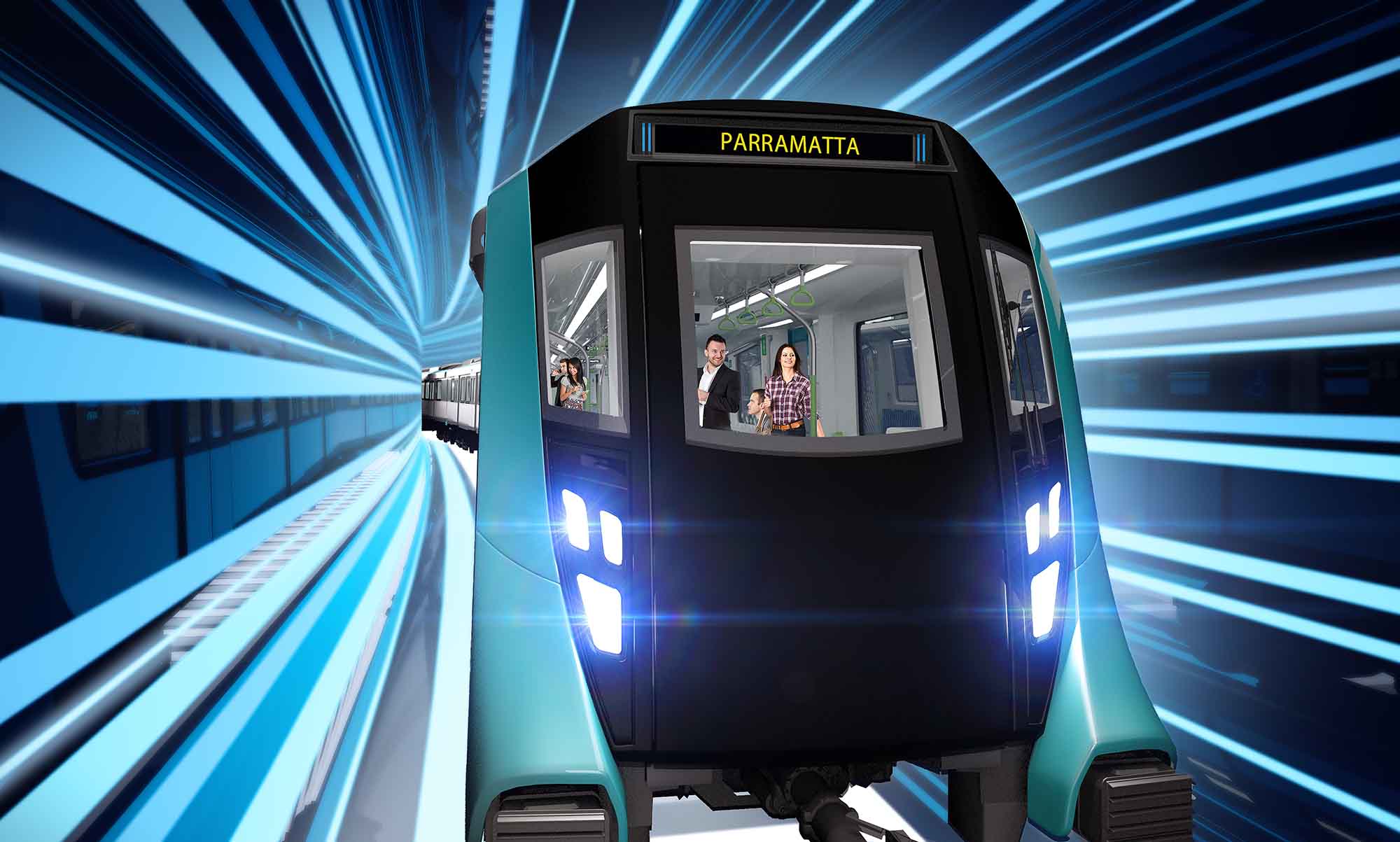
Sydney Metro’s fully automated rapid transit system is Australia’s biggest public transport project. The major tunnelling and station excavation works for Sydney Metro City & Southwest (TSE Works) involve construction of 15.5 km of twin railway tunnels which will travel under Sydney Harbour, and excavating complex underground structures for six new metro railway stations. The project commenced on June 2017, with design stage completion in April 2019.
Sydney Metro City and Southwest TSE Design received a final verified score of 100 and therefore a level of “Leading”. This is the highest score achieved for an IS Rating to date.
The project achieved an Australian first for its innovative Tunnel Boring Machine (TBM) Assembly Methodology. The innovative approach to carrying out TBM assembly works utilised a bespoke rotation frame to enable assembly to be carried out on the surface instead of within the dive excavation. This has a number of flow-on benefits, including the ability to reuse the 280 tonne gantry crane at multiple sites instead of conducting dual lifts with mobile/crawler cranes. Sustainability benefits of this innovation include minimising resources (materials, energy, waste) and reducing impacts on the community (noise, air quality). This method also significantly reduced safety risks for workers.
Sydney Metro’s comprehensive workforce development and industry participation programs are increasing workforce capability and capacity, reducing skills shortages and gaps, improving workforce diversity and productivity and providing local sustainable employment.
It is evident that the work that Sydney Metro has undertaken in the planning phase has significantly raised the ability of the contractor to achieve good outcomes.
IN NUMBERS
- 100: The final verified score of this project. This is the highest score achieved for an IS Rating to date.
- 47,987: amount of GHG emissions reduced (tCO2e) compared to the base case footprint
- 33%: the reduction of TSE Project’s materials footprint compared to the base case footprint