10 - 2023 - ISCouncil

Metro Tunnel Project Rail Infrastructure Alliance – Governance Outcomes

Describe WHAT you have done and HOW you have done it.

The Rail Infrastructure Alliance (RIA) is a Rail Projects Victoria (RPV) package of works for the Metro Tunnel Project delivered as part of the Rail Network Alliance (RNA). RIA has achieved remarkable sustainability outcomes, which have been reinforced by its recent Infrastructure Sustainability Council (ISC) design certification score of 86.21. RIA, comprising of RPV, John Holland, CPB Contractors, AECOM and Metro Trains Melbourne (MTM), has remained committed to integrating economic growth, environmental resilience, and social progress as balanced priorities into its decision-making at every level of the Metro Tunnel Project.

In 2018-2019, RPV rolled out a Sustainability Management Plan and Sustainability Policy with the strategic vision to catalyse innovation and achieve remarkable results. RPV’s governance framework is the foundation of RIA’s Sustainability Strategy (the Strategy), which has been integral to the project team’s achievements by encouraging a triple-bottom-line approach to all aspects of key decision-making. The Strategy targets innovations to continually improve future generations of rail infrastructure projects while connecting communities in the healthiest, most sustainable way possible. Through the application of an ISC rating and a strong governance regime, RIA has embedded sustainability in key project interfaces to successfully deliver new initiatives and innovations.

The strength of RIA’s governance is highlighted in the project’s ability to incorporate an additional works package – Sunbury Line Upgrade (SLU) – into the initial base scope to support the day-one operation of the Metro Tunnel. The significant increase in the geographical scope introduced different materiality and sustainability aspects to the project. As such, RIA has demonstrated its ability to adapt to changing environments and embrace emerging opportunities to implement sustainability initiatives. RIA has demonstrated its ability to continually adapt to changes in the environments in which it operates, identifying constantly emerging sustainability opportunities to be implemented.

Underpinned by a robust governance model, RIA’s high-performing team has achieved outstanding sustainability outcomes such as ecological enhancements within the challenging confines of a brownfield operational rail line, and implementing sustainability innovations such as Non-Destructive Digging (NDD) Treatment Facility and Foreign Object Debris System (FODS) track out control matting. The project’s ability to foster sustainable decision-making is also shown through examples such as the strategic placement of compensatory flood storage away from the Newell’s paddock ecologically sensitive site.

Using the ISC rating tool and leveraging the strength and expertise of an interdisciplinary alliance, RIA has been able to address emerging priorities to drive industry-leading sustainability outcomes, while informing the broader rail infrastructure projects of the rail industry’s ability to be a ‘green’ industry by effectively embedding sustainability initiatives. RIA is excited at the prospect of continuing to transfer lessons learnt to raise the industry sustainability benchmarks and drive change, ensuring a legacy for present and future generations for a more liveable Victoria – environmentally, socially, and economically.

What were the OUTCOMES and how were those outcomes shared?

As the foundation of RIA’s governance approach, the ISC rating scheme has enabled strong outcomes for the project, as shown by:

Successful identification and implementation of innovations to reduce construction impacts such as an NDD treatment facility and FODS track-out control matting
A triple-bottom-line approach in decision-making during the design phase as seen in the compensatory flood storage location from Newell’s Paddock, to avoid impacts to ecologically sensitive area
*Improving biodiversity through the development and adoption of an Ecological Enhancement Program.

NDD Treatment Facility

RIA successfully implemented an Environment Protection Authority (EPA) endorsed NDD Treatment Facility within project land. In the context of rail, the process of using an EPA exemption process for an NDD slurry is a Victorian first. RIA has saved approximately $3.00 for every KL used from the facility while actively diverting spoil and Prescribed Industrial Waste (PIW) from landfill. Alongside the beneficial reuse of PIW, the establishment of the NDD facility had also led to:

Reduced turnaround times and carbon emissions for the NDD trucks travelling from the rail corridor to the facility (compared to using non-project facilities)
Shorter rail occupations reducing impacts on the community
*Non-potable water from the facility being reused onsite for dust suppression and filling of water barriers on project land

RIA has conducted knowledge-sharing sessions and presentations at multiple sustainability forums hosted by John Holland and CPB to educate other major projects pursuing an innovative process to sustainably manage NDD slurry.

FODs Track Out Control Matting

FODs track-out control matting has been trialed in the project’s Eastern Portal to sustainably transform the way that track-outs are managed in Australia. With value engineering front of mind, RIA introduced the innovation to reduce environmental impacts, such as the generation of dust and sedimentation runoff, and in turn, lowering the cost of keeping the adjacent public area maintained. Embedding this innovation in the decision-making process led to notable findings including:

Instant savings of approximately $1,200 following the installation of FODs
A reduction in water used compared to traditional street sweepers

As the first project to successfully install, trial and use FODS in Australia, RIA worked collaboratively with the supplier to ensure knowledge-sharing sessions for the wider industry, enabling other construction projects to benefit from FODS, as shown by its implementation on major rail and road projects as part of Victoria’s Big Build.

Newell’s Paddock

Sustainable decision-making is regarded as the utmost priority and RIA ensured significant decisions were made based on triple-bottom-line governance. The placement of compensatory flood storage was a key decision that avoided impacts on ecologically sensitive public open space within the project land during the detailed design phase. An ecology assessment of the project land verified three Ecological Vegetation Classes (EVCs) including a remnant patch of vegetation in Newell’s Paddock Wetland Reserve, home to the Subtropical and Temperate Coastal Saltmarsh, which met the Environment Protection and Biodiversity Conservation Act 1999 listed threatened ecological community. With the strong uptake of sustainability-minded multi-criteria analysis (MCA), the compensatory storage had been relocated from Newell’s Paddock to a suitable rail embankment at 1-39 Hobsons Road. By embedding sustainability principles in MCA, RIA has been able to effectively communicate the ecological value of Newell’s Paddock, demonstrating continued improvements in governance and adherence to the triple-bottom-line approach.

Ecological Enhancement Program

Where possible, RIA has strived to reverse the effects of the transport industry’s intensified land use, by introducing an innovative enhancement program focusing on increasing habitat connectivity and restoring ecological balance. In doing so, RIA has contributed to a voluntary net ecological gain, without the need for a biodiversity offset scheme, through the creation and enhancement of over three hectares of critically endangered native grasslands (Plains Grassland Ecological Vegetation Class). RIA’s program for achieving significant ecological contribution had been pivotal to maintaining ecosystem function within the bioregion and is transferrable across other major infrastructure projects. Given its local and regional context, the project demonstrates what can be achieved in the rail industry, and more broadly, in the construction of linear transport infrastructure. The success of RIA’s Ecological Enhancement Program is displayed as a case study in a previous edition of the ISC Impact Report to support the industry in delivering best-practice environmental outcomes.

Describe WHO benefited from your initiative, innovation, or approach?

The beneficiaries of RIA’s governance framework are its project stakeholders, including asset owners and communities. Stakeholders receive the benefits of continual learning, improvements, and planning. In the context of rail infrastructure, RIA is paving the way for broader rail infrastructure projects to adopt value engineering by implementing sustainable waste treatment practices as shown in the application of a NDD facility from the Level Crossing Removal Project’s Southern Program Alliance.

Driven by RIA’s ISC certification scheme, leveraging rating guidelines has provided a valuable resource to measure success, including benefits to the environment within the constraints of an operational railway. By using the ISC tools as a performance measure, RIA has demonstrated a more than 30% enhancement of ecological values within RIA project land. RIA’s works present a case study of successful outcomes benefiting from the ISC framework as demonstrated by the project team:

Pursuing protection, enhancement, and connectivity of ecological values (under Eco-1 and Eco-2).
Strong application of Crime Prevention through Environment Design principles (under Hea-2)
*Identifying and interpreting local heritage values (under Her-1);

The workforce also benefitted through the integration of sustainability into key disciplines including design, procurement, and delivery. This included planning for strategic sustainable procurement by implementing an MCA process, which considers environmental, social, and economic aspects to inform effective key decision-making. The MCA accommodated the implementation of sustainability in design and procurement decisions. The approach allows for alternative models of procurement such as innovative technologies and recyclable materials including FODS track-out control matting. The benefits of the MCA process are also shown by the sustainable outcomes achieved for Newell’s Paddock design change.

Beneficiaries of RIA’s forward-thinking decision-making extend to the wider community through RIA’s incorporation of Indigenous artwork in design. This resulted in enhancing the cultural, historical, and social heritage of the local area through the inclusion of two Indigenous centrepieces into the urban design, celebrating the Traditional Owners by supporting the creative expression of their story via public artworks. The incorporation of Indigenous-design principles through collaboration with First Nations people highlights the rail industry’s ability to drive inclusive sustainable cities and communities.

What LEGACY and UN SDG CONTRIBUTION was achieved?

RIA’s Strategy, developed in conjunction with RPV’s overarching Sustainability Management Plan and Sustainability Policy, alongside the ISC rating tools and guides has provided RIA with a systematic approach to overcome multiple complex challenges that exist in the field of sustainability. RIA’s sustainability vision has been adopted from RPV’s legacy to ‘connect communities in the healthiest, most sustainable way possible for a more liveable Victoria – environmentally, socially and economically.’ From a governance perspective, this sustainability vision aligns with four of the United Nations Sustainable Development Goals (SDGs) as discussed below:

SDG 9: ‘Industry, Innovation and Infrastructure’. RIA’s governance approach aligns with SDG 9 by delivering resilient infrastructure and implementing several innovative technologies to reduce the environmental impact of the project, consistently targeting innovations as shown by the application of NDD’s treatment facility and FODS track-out control matting.

SDG 11: ‘Sustainable Cities and Communities’. With a strong focus on improving access to safe, inclusive, and accessible transport to enhance connection across Melbourne, the project is directly addressing SDG 11. RIA acknowledges an essential part of the Australian community, including First Nations peoples and practices, and the significance of integrating culturally significant Indigenous artworks into urban spaces. The project team demonstrated leadership in reconciliation by engaging with First Nations communities to incorporate their history into rail infrastructure, creating places embedded with rich meaning and culture.

SDG 12: ‘Responsible Production and Consumption’. RIA has a major focus on reducing waste generation through recycling and reuse of materials consistent with SDG 12. Implementing circular economy principles is prevalent in RIA’s design as the first application of the Recycled First Plan on a rail project. The success of strategic sustainable resource management through the NDD facility encourages the broader rail industry to prioritise the application of innovative waste and water treatment and diversion of PIW from landfill.

SDG 15: ‘Life on Land’. RIA’s governance approach has been tied to SDG 15, contributing to protecting biodiversity and natural habitats by taking significant action to enhance grasslands and protect critically endangered and threatened species within the project land. Using the Ecological Enhancement Program, the project achieves a combined improvement in ecological value (extent) and habitat connectivity within and near the project area compared to pre-construction.

RIA also ensures sustainability knowledge and innovations are communicated to key project interfaces so that new benchmarks become standard practice across the industry. In September 2022, RIA hosted over 100 delegates as part of the ecologiQ inaugural Greener Infrastructure Conference aimed at inspiring infrastructure leaders with thought-provoking design and the use of greener choices throughout the project. RIA’s governance regime has strengthened positive outcomes for the community, the environment, and the rail industry at large, assisting in driving greater innovation in the future of rail.

Through strong governance, RIA has demonstrated significant improvements in rail infrastructure projects by integrating sustainability into key decision-making processes, driving positive change, and delivering holistic, long-term benefits. RIA’s success highlights the potential for future projects to achieve a balance of social, economic, and environmental outcomes across Melbourne’s rail network for linear brownfield transport projects.
Implementing SEPA’s 2022 Sustainability Strategy for Sustainable Construction – Governance Outcomes

Describe WHAT you have done and HOW you have done it.

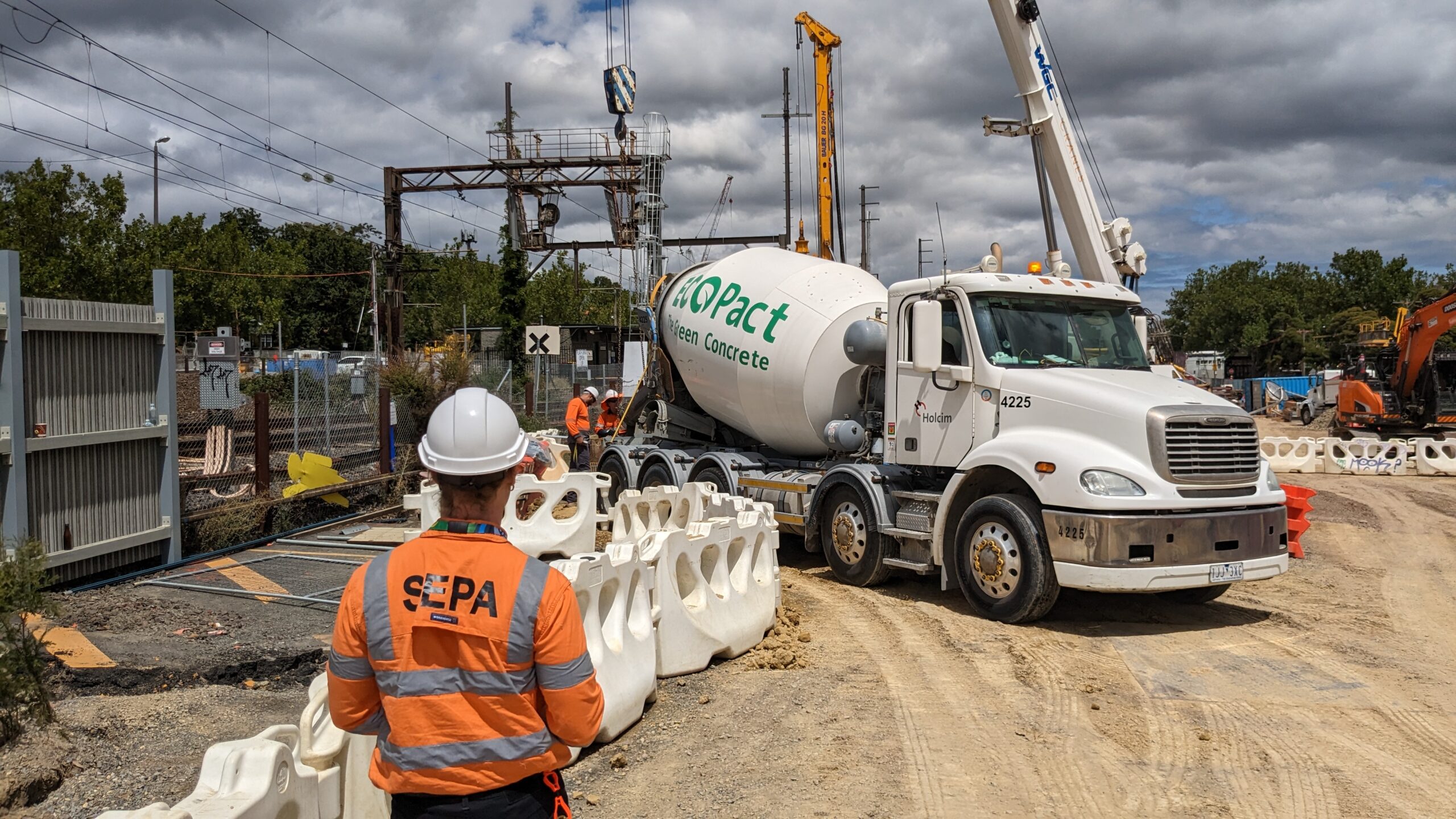
The South Eastern Program Alliance (SEPA), has been committed to its overarching sustainability strategy and framework since its establishment in 2019. In 2022, we expanded on this strategy by integrating sustainability principles across the whole lifecycle of our projects. To ensure comprehensive coverage, the 2022 Strategy focused on three key initiatives: Net Zero, Circular Economy, and Project Sustain. These initiatives addressed various aspects, ranging from design and procurement to construction and operation.

To implement our sustainability strategy, we employed a strategic and collaborative approach. We worked closely with our parent organisations, aligning with their sustainability policies and objectives. Additionally, we collaborated with industry partners to achieve exemplary outcomes for the industry as a whole.

Internally, we fostered a sustainable culture within SEPA through the “Zero Carbon Culture” initiative. This involved regular updates and knowledge-sharing sessions with the entire SEPA team. The initiative’s objective is to raise awareness and strengthen capabilities among the team, ensuring that sustainability considerations were ingrained throughout our operations and our people are empowered to embrace this culture. By engaging our people early in the design phase, we maximised our ability to influence and incorporate Net Zero principles into our projects.

Externally, we developed enablers to support our sustainability goals. We embedded preferred carbon options into our contracts and collaborated with supply chain partners to establish net zero protocols. This ensured that sustainability considerations were woven into our construction projects and promoted the adoption of sustainable practices throughout the industry.

We embraced the principles of the circular economy, aiming to reduce waste by reusing resources and extending their lifespan. We successfully reused crushed rock and reduced non-destructive digging waste across our alliance. Furthermore, we utilised products containing recycled plastics, such as e-mesh concrete, reconnophalt, and polyrock, to minimise waste.

Under our “Project Sustain” pillar, we engaged Vinsi Partners, Sustainability specialists in the field, to provide expert advice on the maximum allowable supplementary cementitious material content for each application at SEPA. Their advice covered the carbon and durability benefits, and management methods to mitigate potential drawbacks. This valuable advice was documented in SEPA’s first durability Tender Advice Notice.

Furthermore, we facilitated knowledge sharing sessions with Vinsi Partners, and SEPA’s design and delivery teams during our annual sustainability month. This provided an opportunity to explain the “why” and “how” behind our sustainability initiatives and foster an open exchange of ideas.

To address the challenges associated with supplying high supplementary cementitious material concrete to SEPA projects, we engaged concrete suppliers before project award. These proactive discussions led to increased budgets for low-carbon concrete, and we even secured a commitment from a supplier to upgrade their plant silos to supply triple blend concrete mixes to SEPA.

Moreover, SEPA leveraged its position to coordinate with the Department of Transport and Planning and Metro Trains Melbourne to obtain their approval for the use of concrete that exceeded the supplementary cementitious material limits, provided it met other testing requirements.

What were the OUTCOMES and how were those outcomes shared?

Our commitment to achieving Net Zero construction by 2025 has been a driving force behind our pursuit of innovations in the low-carbon construction space. We have implemented various measures, including the use of electric trucks on the Union Road and Mont Albert Road level crossing removal project and hybrid generators on the Cranbourne line upgrade.

On the Hallam level crossing removal project, we reduced emissions by 43 per cent over the lifecycle of the Project as compared to the Base Case for the Project. The operational savings were realised through a 55.5 per cent reduction due to solar photovoltaic panel use and efficient thermal envelope and efficient lighting. We saved 99.6 per cent of our Scope 2 emissions in the construction phase from use of a GreenPower plan combined with a grid connection and semi-permanent grid-connected construction lighting in place of diesel generated light towers.

Additionally, solar-powered site offices and cribs have been established on a number of our projects. These initiatives have significantly reduced our carbon footprint and exemplify our dedication to achieving Net Zero goals.

To ensure consistent implementation of sustainable practices, we now have a decarbonisation checklist in place for projects. This checklist serves as a comprehensive guide, enabling our teams to identify and incorporate low-carbon solutions into their construction processes. We also collaborated with Select Plant Hire to develop a building specification checklist for temporary cribs and offices, further promoting sustainable practices across our projects.

Recognising the importance of carbon offsets in achieving Net Zero, we priced carbon offsets into a number of our projects in delivery, ensuring that net zero construction can be achieved.

Our accomplishments in achieving Net Zero outcomes, particularly on the Hallam level crossing removal project, were shared through an article on the Infrastructure Sustainability Council website. This platform allowed us to showcase our sustainable practices and inspire others in the industry. Additionally, we disseminated information about our achievements through the Sustainability Joint Coordination Committee, which includes all other Level Crossing Removal Project alliances. This collaborative platform enabled us to share our experiences, lessons learned, and best practices with industry partners, fostering knowledge exchange and promoting sustainable construction across the board.

Under Project Sustain, we collaborated with Keller and Holcim and the result was realised through the development of a ground-breaking piling mix with 70 percent supplementary cementitious material content which is 55 per cent higher than the Level Crossing Removal Project’s business-as-usual mix. This resulted in a significant reduction in embodied carbon. This low-carbon piling mix was successfully approved by the Department of Transport and Planning and implemented on the Union Road and Mont Albert Road level crossing removal project, and we plan to use this mix in all future South Eastern Program Alliance projects.

Considering the significant amount of piling in our projects, we are looking to the next three upcoming South Eastern Program Alliance projects where approximately half of all concrete used will be attributed to piling. By using the low carbon-mix on these upcoming projects, we’ll prevent around 4000 tonnes of CO2 from entering the atmosphere. While there may be program constraints related to slower strength development, we have collaborated with delivery engineers to program the piling to meet our low-carbon commitment. This approach ensures that more than 90 per cent of piling mixes can utilise the low-carbon mix, maximising its impact.

To share the outcomes of the Project Sustain initiative, the South Eastern Program Alliance representatives presented our low-carbon concrete solution within Laing O’Rourke, which led to an article in Create Magazine. The team also presented at the Level Crossing Removal Project Sustainability Joint Coordination Committee, comprising all five alliances. Outside of this, representatives also presented to the Materials and Embodied Carbon Leaders’ Alliance. These platforms provided a valuable forum for sharing our innovative approach and discussing its potential for broader implementation. Through our engagement with these networks, we are actively monitoring the adoption of low-carbon concrete solutions not only in Victoria but also throughout Australia. By monitoring, measuring, reporting, and re-baselining our progress, we strive for continuous improvement and further advancement in sustainable construction practices.

Describe WHO benefited from your initiative, innovation, or approach?

Our commitment to sustainability goes beyond achieving environmental goals; it encompasses empowering our team, fostering collaboration with supply chain partners, and sharing knowledge within the industry. Through our approach, a wide range of stakeholders have benefited, contributing to the overall advancement of sustainable practices.

The core of our initiative lies in educating and empowering our wider South Eastern Program Alliance team. By implementing our sustainability strategy and in creating a platform for it to take on its own life across the Alliance, we ensured that every member of our team was well-versed in the principles and practices of sustainable construction. Touch points were established throughout the year to foster communication, provide updates on progress, and allow for knowledge sharing. This approach not only elevated the level of awareness and understanding within our team but also enabled them to actively contribute to the sustainable outcomes of our projects. The team’s education and empowerment have been instrumental in driving sustainable practices forward and instilling a culture of sustainability within the South Eastern Program Alliance.

We recognise the importance of collaboration with our supply chain partners in achieving sustainable construction goals. Through early engagement processes, we have forged strong relationships and worked together to develop the best solutions. Our approach has allowed us to identify and integrate sustainable practices into our projects from the earliest stages, optimising environmental outcomes. By involving supply chain partners in our sustainability initiatives, we have not only improved the overall sustainability performance of our projects but also fostered a sense of shared responsibility and commitment to sustainable practices throughout the supply chain.

Our commitment to sharing information and promoting sustainable practices extends beyond the South Eastern Program Alliance. Across the broader Level Crossing Removal Program we have actively shared knowledge and progress related to piling mixes and other sustainable construction initiatives, ultimately contributing to the collective advancement of sustainable practices.

By sharing our sustainability innovations through the Infrastructure Sustainability Council we have achieved “Leading” As Built ratings of 76 for the Hallam level crossing removal project, 90 for the Cranbourne line upgrade and a Design rating of 93 for the Union Road and Mont Albert Road level crossing removal project.

What LEGACY and UN SDG CONTRIBUTION was achieved?

The true legacy of our sustainable construction strategy lies in the upskilling and empowerment of our team members, suppliers, and external stakeholders. By implementing our sustainability strategy, we have created a culture of exemplar sustainable practice across the South Eastern Program Alliance, ensuring that every individual is equipped with the knowledge and tools to make informed decisions that contribute to our sustainability goals. This legacy will continue to drive sustainable practices and initiatives, not only within the South Eastern Program Alliance but also throughout the broader industry.

The South Eastern Program Alliance’s sustainable construction strategy has made significant contributions to several UN SDGs, demonstrating our commitment to sustainability.

• Good Health and Wellbeing: Implementing Net Zero construction practices has allowed us to reduce reliance on diesel, resulting in cleaner air and improved health for our workforce and the communities in which we operate. By prioritising sustainable solutions, we contribute to creating healthier environments for all stakeholders involved in our projects.

• Affordable and Clean Energy: As leaders in the Net Zero construction space, we prioritise renewable construction solutions. By embracing clean energy technologies and practices, we not only reduce our carbon footprint but also promote their adoption, leading to economies of scale and making clean energy more affordable for the industry as a whole.

• Industry, Innovation, and Infrastructure: the South Eastern Program Alliance’s sustainability strategy provides robust governance and implementation plans that encourage innovative approaches to sustainable construction throughout the project lifecycle. By fostering collaboration and innovation, we contribute to advancing industry practices and driving positive change within the construction industry.

• Sustainable Cities and Communities: All Level Crossing Removal Projects aim to provide sustainable solutions for the communities they serve. By developing and implementing a sustainability strategy within our long-term program of works, we ensure the adoption of strategies such as Net Zero construction and low-carbon concrete as business-as-usual practices. This commitment contributes to the creation of sustainable cities and communities.

• Climate Action: Our sustainability strategy provides a concise framework for reducing scope 1, 2, and 3 emissions, directly addressing the urgent need for climate action. By setting clear targets and implementing measures to mitigate carbon emissions, we actively contribute to combating climate change and fostering a more sustainable future.

EastLink WA – Governance Outcomes

Describe WHAT you have done and HOW you have done it.

EastLink WA’s planning and development approach embodies a holistic sustainability vision, to achieve social-economic benefits for the community. To realise this vision, the Integrated Project Team (IPT) developed an industry-leading Decision-Making Framework to guide decisions throughout the project. The Framework prescribes various levels of decision-making involvement and governance depending on the magnitude of the decision.

EastLink WA is the largest planning and development project undertaken by Main Roads, encompassing planning for over 80km of road infrastructure over a three-year period. In a project of this scale, sustainability can easily be sidelined or addressed too late in the process. The IPT recognised that decision-making during initial stages of design offers the greatest potential to influence project outcomes and took the opportunity to integrate sustainability considerations from the outset, through the Decision-Making Framework.

The IPT was committed to implementing not only the best technical options in project planning, but to develop options based on a robust understanding of their environmental and social context. To integrate sustainability considerations effectively, the IPT aligned with the design team’s processes and timeframes and addressed key decision-making challenges associated with planning projects, including the evolving nature of information and need to consider multiple factors in decision-making, and decision-making documentation for future review.

The Framework addressed these challenges and ensured consistent consideration of social, environmental, urban design, economic, and sustainable solutions. This framework is based on a six-step process for developing and selecting preferred design options. The steps include problem identification and definition, and options identification, assessment, and testing.

Tools adapted from the Main Roads Multi-Criteria Assessment template for planning phase decisions were used to guide options assessment through rapid assessment of criteria across equal weighted technical, economic, environmental, and social aspects. The decision-making tool also included whole-life considerations when they were deemed important differentiators for the options.

The EastLink WA Decision-Making Framework clearly outlines involvement of stakeholders at different stages of the governance process in developing, assessing, and making decisions on preferred design options. To prioritise decision-making, the framework categorised decisions into three levels of significance: level one (minor), level two (medium), and level three (significant). Depending on the significance level, input and involvement from the broader team, Main Roads WA, and external stakeholders, were sought accordingly.

A robust governance sign-off process was also applied via the Framework, with more significant decisions brought to the Project Advisory Group or Steering Committee for endorsement, dependent on level of significance.

The Framework was developed based on the collective experience of the IPT and Main Roads across various planning and development projects. To generate buy-in for implementation of the Framework in the project, the IPT’s sustainability team drafted and tested the Framework with the design team on some early project decisions. An internal workshop with IPT discipline leads was conducted to reflect on lessons learned and refine the Framework for further application.

For transparency and guidance in future project stages, decisions have been recorded and maintained in a dedicated EastLink WA project decision-making register, outlining who the ultimate decision-maker was.

What were the OUTCOMES and how were those outcomes shared?

The Decision-Making Framework aimed to provide guidance throughout the project, considering all relevant aspects – including technical, social, environmental, and economic factors – across the project lifecycle. As a result, decision-makers have greater clarity on preferred options, and the documentation enables effective review of decisions, if necessary, in future project phases.

The Framework streamlined the decision-making process for the IPT by clarifying the necessity, significance, and scope of decisions, involving relevant specialists, and minimising the risk of future re-work. It efficiently manages and documents sustainability-related risks throughout the project lifecycle.

EastLink WA has achieved a range of outcomes from applying the Framework. Three notable alignment decisions that achieved positive outcomes are outlined below.

Susannah Brook (environmental benefits)
The IPT explored two options for the road alignment in proximity to heritage-listed Susannah Brook. Previous planning impacted approximately 2km of a tributary of the brook and did not allow for required service road connections to meet bushfire requirements.

Despite land-use planning constraints in the area, the IPT developed an alternative solution that shifted the alignment south. The solution minimised impacts to Susannah Brook by retaining ~1.4km of the existing tributary, avoiding waterway diversion. The remaining impacted section will be designed as a “living stream”. This design modification has led to positive outcomes from environmental, waterways and Aboriginal Heritage perspectives.

Bakers Hill (social/environmental benefits)
The originally proposed alignment identified in previous planning would have resulted in several significant impacts in proximity to Bakers Hill, including impacts to the Kep Track, a local trail of important social value, residential properties and dwellings, local access and connectivity, and remnant vegetation. Many of these impacts were identified through consultation with local landowners and wider stakeholders, including LGAs.

The IPT considered two alternative alignment options to reduce identified impacts and address stakeholder concerns. Following the project’s six-step option development and selection process, a preferred option was developed.

While the option developed and agreed upon as the preferred alignment was found to be more resource and cost intensive, it delivered a range of social and environmental benefits which addressed many of the stakeholder concerns, including:
• Significantly reduced clearing of remnant vegetation (~3ha).
• Avoiding impacts to ~7.5km Kep Track between Chitty Road and Clackline.
• Reducing impacts to an Aboriginal heritage site.
• Improving network efficiency by creating two-way access for properties north of the Perth Adelaide National Highway (PANH).
• Improving safety by reducing the number of intersections and local trips on PANH.

Altone Road (social – urban design benefits)
The grade separation of Reid Highway and Altone Road in the metropolitan section of the project is adjacent to and provides access to residential areas. Previous planning included Altone Road passing over Reid Highway. Design development of the Altone Road interchange identified several design and constructability outcomes that could be improved by reconfiguring the interchange so that Reid Highway passed over Altone Road.

Considering multi-disciplinary input from the IPT, the merits of the two options were assessed. The decision to update planning to reconfigure the interchange to include Reid Highway passing over Altone Road was based on several community amenity advantages, including:
• Significantly reduced utilities impacts and improved potential to stage any future upgrade requirements.
• Likely allowing Altone Road to remain open and connected during construction.
• Limiting visual impacts for adjacent residents by having the nearby local roads on the ground.
• Retaining connectivity for local roads and path connections.

Positive outcomes associated with the use of the EastLink WA Decision-Making Framework have been shared in several forums including the ISC WA Symposium (April 2023) and at the Office of Major Transport Infrastructure Delivery (OMTID) quarterly industry knowledge share session (May 2023) . These sessions included industry representatives from government departments, consultancy and construction firms.

Two members of the IPT presented a 90-minute session on ‘Integrating Sustainability into Project Level Decision Making’ as part of the Institute of Public Works Engineering Australia’s (IPWEA) Professional Development Week in December 2022. The accompanying teaching paper outlined general examples from several projects and integrated several lessons learned from EastLink WA.

EastLink WA’s use and sharing of the Decision-Making Framework has led to beneficial industry outcomes by challenging the wider industry through sharing examples, experiences and lessons learned.

Describe WHO benefited from your initiative, innovation, or approach?

Planning and development decisions have the potential for long-lasting implications across the project lifecycle. The development and adoption of the EastLink WA Decision-Making Framework has provided a range of benefits to stakeholders, including:
• The EastLink WA IPT, who have benefited from efficiencies created through the streamlined decision-making process and learnings gleaned from the Framework’s application that can be applied to future projects.
• Main Roads WA, who have benefited from optimised project outcomes from strong sustainability integration and clear decision-making that builds a robust foundation for future project phases. Project outcomes have been enhanced by the framework’s creation of a streamlined platform that has allowed IPT discipline leads to apply their technical skills collaboratively to identify multiple options for consideration and assessment. Significant learnings have also been gained from EastLink WA’s approach to sustainability that can be applied to enhance outcomes on future planning and development projects.
• Community and directly affected landowners, who have benefited from the project’s emphasis on stakeholder engagement and strong systems and processes for capturing and considering stakeholder feedback and input within the Decision-Making Framework. A consistent community and stakeholder engagement program provided a platform for community and landowners to share their insights and feedback for consideration in design development and remain updated on the project’s progress. As a result, the design reflects a number of positive outcomes for directly impacted landowners – and from a broader environmental, social, economic and urban design perspective – where feedback has been considered and effectively integrated into the Ultimate Design.
• Wider industry, who have benefited from the IPT sharing knowledge based on the EastLink WA approach and governance frameworks. EastLink WA sets a benchmark for other planning and development projects and highlights integrative and innovative approaches to enhance project outcomes.

What LEGACY and UN SDG CONTRIBUTION was achieved?

Fundamental to the IPT’s approach to design development is considering long-term needs to create more sustainable and resilient infrastructure. The development, application, and improvement of the Decision-Making Framework has resulted in the creation of significant legacies, including:

Transferable experience: The project team have gained valuable experience applying the Framework, which can be used on future projects. Although a new practice for many team members at the start of the project, as the project progressed, the design team proactively sought input from environment, stakeholder, sustainability, and urban design managers as a standard practice. The success of the Framework has also led to its informal sharing within several other Main Roads WA projects and can be applied to all future Main Roads planning projects.

Integrated environmental and stakeholder benefits: The project design now incorporates and prioritises environmental and stakeholder considerations, which will carry forward into future phases, creating a lasting legacy. By addressing potential impacts early in the planning phase, many adverse impacts have successfully been avoided or mitigated. This early action benefits not only the environment and the community, but also reduces reputational risks, risks associated with approvals, and potentially lowers the cost of impact management.

The project implemented a systematic approach that provides benefits to the community, minimises impacts on Aboriginal heritage sites, reduces clearing of remnant vegetation, improves connectivity, and provides clarity on decision-making processes.

Drawing from this project experience (and previous projects), the IPT presented a 90-minute masterclass and teaching paper on ‘Integrating Sustainability into Project Level Decision-Making’ to the Institute of Public Works Engineering Australia (IPWEA). The IPT’s decision-making approach and knowledge sharing contribute to responsive, inclusive, participatory and representative decision-making at all levels, as per SDG 16 (Peace, Justice and Strong Institutions).

For SDG 16 target 16.7, the framework guided the process and documentation throughout the project, facilitating the consideration and integration of social, environmental, and economic factors. A lessons learned workshop with IPT discipline leads encouraged co-design of the project’s processes and tools.

The project contributed to SDG 9 (Industry, Innovation and Infrastructure), specifically target 9.1, to develop quality, reliable, sustainable, and resilient infrastructure, as well as providing redundancy for surrounding links on the network. Planning and development for EastLink WA seeks to provide a safer, more efficient route between Perth and Northam for freight and road users by providing a high standard, fit for purpose, alignment. It encompasses planning for the first section of the Perth-Adelaide National Highway, a transborder freight corridor with strategic state importance. The planning has also incorporated a climate change risk assessment process, leading to robust resilience outcomes. Design decisions prioritised reducing service impacts, visual impacts, and maintaining and improving connectivity with infrastructure that will meet WA’s future freight needs.

The project contributed towards SDG 11 (Sustainable Cities and Communities), including targets 11.2 (safe, affordable, accessible and sustainable transport systems), 11.4 (cultural and natural heritage), 11.A (support economic/social/environmental links between urban, peri-urban and rural areas) and 11.B (integrated policies and plans). The Decision-Making Framework resulted in design development that enhances safety, accessibility, and a sustainable transport system. This includes reducing intersections, improving network efficiency, and creating two-way access for residential properties. The project has supported positive economic, social and environmental links evidenced by opportunities identified to retain and protect the Kep Track, a local trail which traverses these landscapes and is of significant social value. The framework enabled evaluation of options to protect and retain the ‘living stream’ and adopted an updated road alignment to reduce the impact on the Susannah Brook tributary. The preferred alignment option selected at Bakers Hill also reduces impacts to an Aboriginal heritage site.

WestConnex M4-M5 Link Tunnels Project – Governance Outcomes

Describe WHAT you have done and HOW you have done it.

Governance and leadership played a pivotal role in the design and delivery of the M4-M5 Link Tunnels (the Project) delivered by the ACCIONA, Samsung and Bouygues Construction Australia Joint Venture (ASBJV) in partnership with Transurban and Transport for NSW. The Project commenced in 2018 and opened to traffic in early 2023, with 7.5km motorway accommodating four new lanes of traffic in each direction and connecting the M4 Tunnels with the M8 Tunnels – forming the 33 km long WestConnex Motorway.

The Project’s success is characterised by a transformation in Governance that led to key outcomes and influenced the development of a targeted Sustainability strategy, diversity and inclusion, risk and opportunity management, sustainable procurement and ensured integrated decision-making across delivery functions.

Overcoming Boundaries and Achieving Integration:

At Project inception, the Senior Leadership Team (SLT) established a strong foundation of shared values detailed in a comprehensive Governance Plan. This unified approach ensured the diverse sustainability objectives of parent companies merged seamlessly into a single Sustainability Policy. This approach influenced significant decision making and ensure collaboration with community and supply chain.

This shift towards integrated Governance challenged the 2018 Business as Usual (traditional) approach to design and construction of road tunnels, resulting in sustainability requirements incorporated as contractual compliance obligations which enabled the delivery of numerous sustainability outcomes.
At project completion the positive cultural shift was characterized by a team that embraced a shared vision, allowing the project to surpass traditional boundaries of engineering, environmental responsibility and social awareness leaving a net positive legacy for all involved on the project.

  • Aboriginal Participation – Connecting to Country:
    The SLT recognised the opportunity to include meaningful engagement of Aboriginal businesses in delivery of the Project, inclusive of ‘story telling’ of local First People’s culture through inclusion of public art. The Governance Plan set out the framework for delivering the project in a culturally sensitive manner, resulting in the development of an Aboriginal Participation Plan, implemented and overseen by a dedicated Aboriginal Participation Manager.
  • Workforce Empowerment – Diversion and Inclusion:
    In 2018, the team recognised the need to improve diversity and female participation in leadership and traditional construction roles in the industry and identified as an area for intervention. The team implemented a bespoke Diversity and Inclusion Policy, overseen by female leaders in the SLT. Numerous training programs for both professional and unskilled candidates were rolled out, including a dedicated ‘Women in Construction’ support network to facilitate information and opportunities regarding career progression and professional development.
  • Lean Construction, Construction Fatigue and the Tunnel Production Line
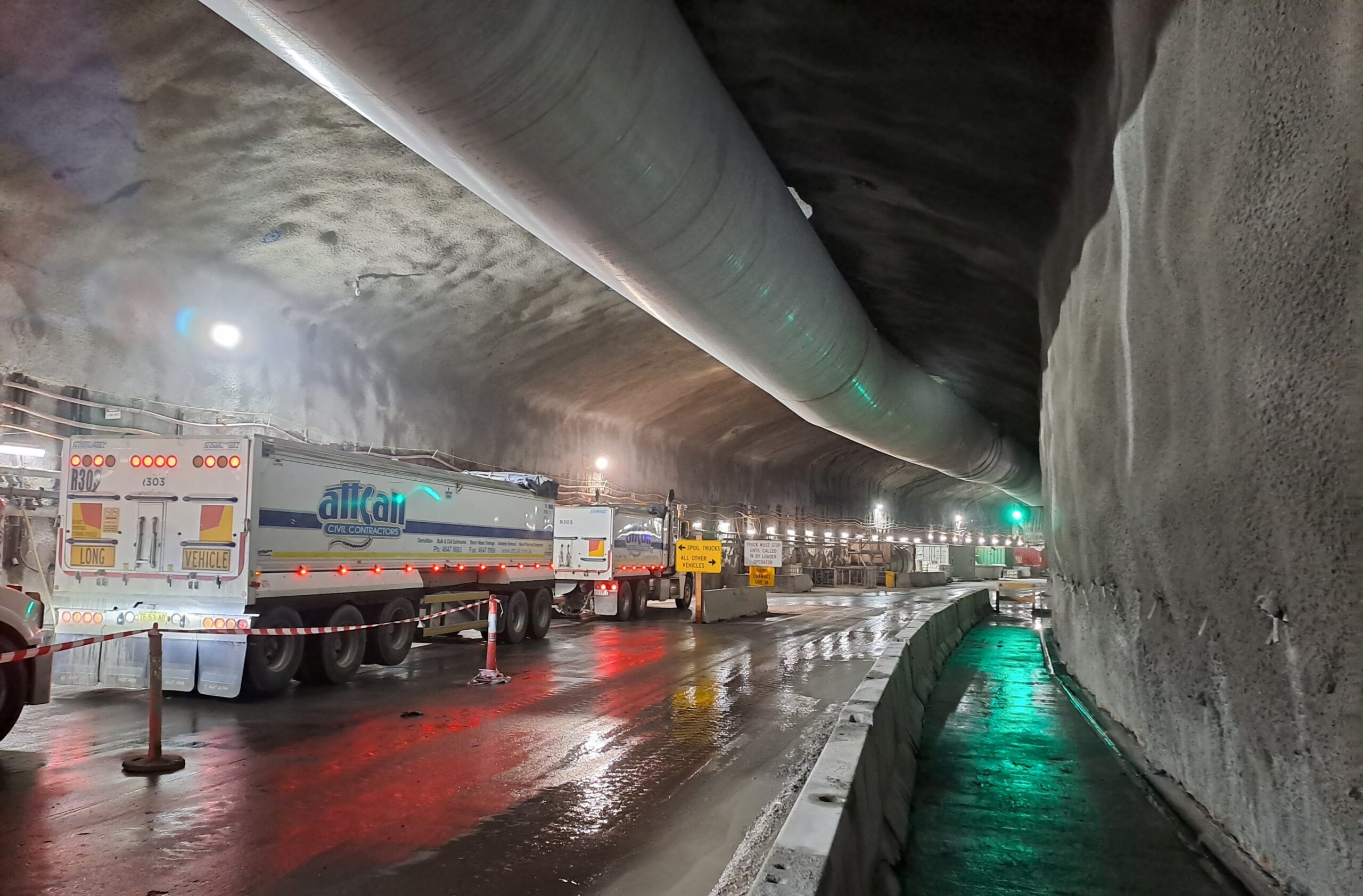
    Construction fatigue amongst local community was a major concern for the SLT, as the Project was sandwiched between two completed WestConnex projects. Using the Governance Plan as a framework to address this social issue, the Project made the decision to accelerate construction program by implementing the Tunnel Production Line (TPL) methodology, enabling civil, mechanical and electrical fit-outs to follow the tunnel face. Although common in tunnel boring machine construction (internationally), the TPL method was an Australian first for a mined tunnel (using roadheaders).

What were the OUTCOMES and how were those outcomes shared?

The Project’s Governance Plan established robust Sustainability Contractual Targets (CT), inclusive of Aboriginal Participation and Workforce Diversity. The establishment of ambitious policies, procedures and management plans were supported by the SLT, all of whom had ongoing governance and oversight of the progress of the CTs and identify risk and opportunities.

  • Aboriginal Participation – Connecting to Country:
    The Project set new standards in Aboriginal engagement and connection to country. The Governance Plan committed all members of the SLT to complete Cultural Immersion Training – this action emphasized the significance of identifying and selecting local Aboriginal owned suppliers over and above contractual requirements. Importantly, the impacts of including targeted spend across the Supply Chain resulted in the investment of $65 million across Aboriginal participation. This was above the contractual target of $32 million and established as a result of the robust targets through the Project’s Governance Plan.

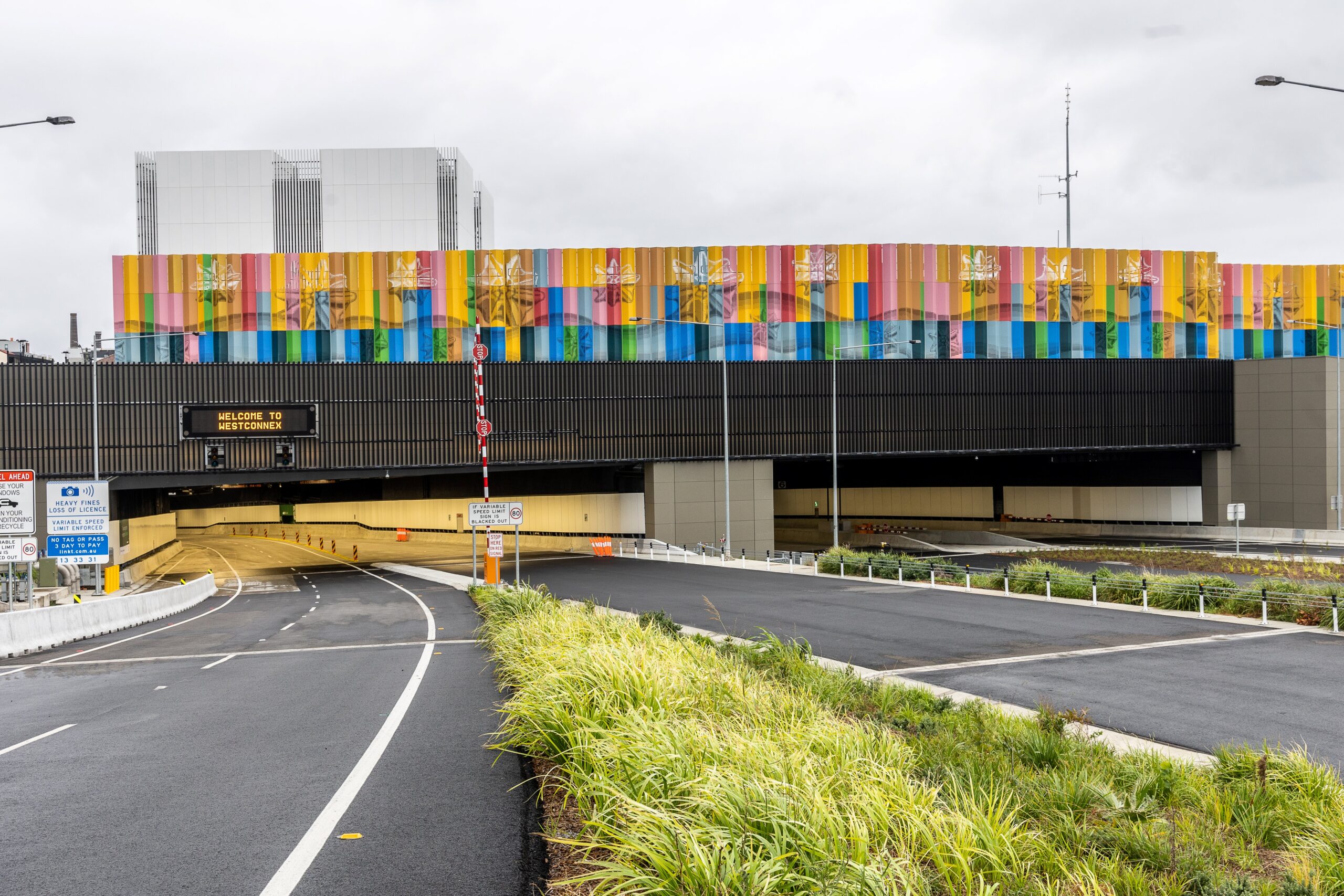
The Project’s crowning achievement was the integration of an iconic Aboriginal artwork, ‘Movement of Shells, Movement of Time,’ adorning the Campbell Road Ventilation Facility. This was a collaborative enterprise between the local Aboriginal elders Aunty Esme Timbery and her daughter Marilyn Russell of the Bidjigal nation, facilitated through the SLT’s Governance approach (including the urban design team from CM+).

The artwork references the tradition of shellwork, handed down from mother to daughter over many generations and connects the past with present and future generations. The location of the artwork is highly visible for all motorists entering the tunnel at St Peters, and visible from the air given its location under the flight path of Sydney Airport. welcoming new arrivals.

  • Workforce Empowerment – Diversion and Inclusion:
    The Diversity and Inclusion Policy, including the ‘Women in construction’ programs initiated through the SLT, was considered a success. The project welcomed many first-time female staff and workforce into construction; this is additionally significant in the male dominated tunnelling industry which is considered one of the most challenging work environments and safety settings in construction. Statistics on female participation were reported each month and progress reviewed by the SLT.

The ‘Women in construction’ mentoring program oversaw the professional development and career progression of many women. As the project reached its final phases, the first-time female staff and workforce were supported and encourage to continue their careers in construction. Positions were identified on existing and future projects to promote female retention within the industry.

Importantly, the Project is proud to have had the largest female workforce on a tunnelling project in New South Wales, with an overall female participation of 7.6%. During peak production, the Project reported women in blue collar roles of 10%, women in white collar roles of 24%, and women in leadership roles of 15%.

  • Construction Fatigue – Tunnel Production Line (TPL):
    The strong leadership culture and governance framework established at the project’s outset played a pivotal role in achieving success. With meticulous planning, streamlined processes, and agile decision-making, the team navigated complex challenges, ensuring the project’s efficient progress.

The successful completion of the Project, ten weeks ahead of schedule and within budget, stands as a testament to effective project governance and unwavering dedication. This step change reduced traffic disruption and returned access to local residents and significantly reduced construction fatigue.

Additional, the TPL methodology had a significant impact on reducing energy consumption, by minimising requirements for temporary tunnel ventilation, lighting and vehicle movements. This resulted in a saving of approximately 72,300 tonnes of CO2-e emission.

  • Lean Construction – More with Less:
    Incorporating a LEAN construction plan as part of overall Governance, proved a great success for the Project and assisted with delivery of Sustainability targets. The Project recognises the positive influence the SLT Governance Plan had on Procurement, Design, and Quality teams working with external stake holders and the supply chain, resulting in minimal defects and rework which enhanced the team exceeding contractual sustainability goals during construction. These include:
    • 95% beneficial reuse of spoil – achieved 100% (8,700,000 tonnes).
    • 15% water reuse – achieved 63% water reuse and 810 megalitres.
    • 5% cement replacement – achieve 32% with an overall embodied carbon reduction of 44,560 tonnes of embodied carbon.

These outcomes have been shared with the wider industry through various technical papers, conferences, award presentations, and knowledge sharing opportunities such as the 2022 ISAP Day.

Describe WHO benefited from your initiative, innovation, or approach?

Beneficiaries of the M4-M5 Link Tunnels project’s remarkable outcomes as a result of the robust Governance Plan established at project inception – extends to various stakeholders and has left a lasting impact on individuals and the wider community.

The collaborative approach adopted by the Project (transcending corporate boundaries), benefited the participating joint venture companies and their employees. By pooling resources and expertise, the joint venture partners achieved greater efficiency, shared knowledge, and expanded their internal capabilities. This integrated team approach allowed for streamlined decision-making, enhanced communication, and optimal utilisation of resources, ultimately delivering a project that exceeded expectations.

The timely completion of the project within budget brought significant benefits to the public and the NSW Government. Early delivery not only minimised disruption to commuters and local businesses but also demonstrates the efficiencies and effectiveness that large-scale infrastructure projects can achieve if Governance is a primary focus. By completing the project within budget also ensured that public funds were managed respectfully, freeing up resources for other essential initiatives.

The project’s strong focus on Safety protected the thousands of workers, and served as an industry benchmark for delivering optimal occupational health and safety practices. By providing comprehensive training, fostering a culture of accountability, and engaging a diverse workforce, the project empowered individuals, created job opportunities, and promoted inclusivity. The participation of workers from marginalised communities, including a significant number from Sydney’s Western suburbs, generated socio-economic benefits by providing equitable employment opportunities and fostering local economic growth.

The project’s commitment to Aboriginal engagement and environmental management resulted in numerous positive outcomes. The investment in Aboriginal participation, education, employment, and cultural awareness programs contributed to the empowerment and well-being of local Aboriginal communities. The support extended to Aboriginal businesses through procurement activities further stimulated economic growth and fostered social cohesion. Environmentally, the project’s focus on beneficial reuse and connection to the Circular economy was inclusive of; recycling and reuse of site won materials, efficient resource management and reduced waste generation, conserving resources, and minimizing the project’s ecological footprint, will benefit both present and future generations.

The implementation of innovative technologies and practices created a ripple effect of positive outcomes. The utilisation of cutting-edge machinery and techniques enhanced efficiency, productivity, and safety standards within the construction industry. The awarding of contracts to local suppliers and companies provided a boost to the regional economy, generating employment opportunities and fostering the growth of local businesses.

What LEGACY and UN SDG CONTRIBUTION was achieved?

The Project has contributed a profound legacy to industry, directly addressing several United Nations Sustainable Development Goals (SDGs). The Governance Plan facilitated outcomes that went beyond contractual targets, developed to align with SDGs 5, 8, 9, and 12.

SDG5: Achieve gender equality and empower all women and girls
The Project made significant inroads to addressing diversity and gender inequality within the tunneling sector. By focusing on female participation, the Project has resulted in one of the largest female workforce on a tunnelling project in NSW and progressed the career development of women at all levels.

SDG 8: Decent Work and Economic Growth
The emphasis on safety, workforce empowerment, and local economic impact aligns with SDG 8. Through comprehensive training programs, rigorous safety protocols, and the engagement of a diverse workforce, the project created a secure and inclusive work environment, promoting decent work opportunities for thousands of individuals. By actively involving workers from marginalized communities and Sydney’s Western suburbs, the project contributed to reducing inequalities and fostering economic growth at a local level. Additionally, the procurement of goods and services chain prioritized local Aboriginal suppliers, encouraging responsible sourcing and supporting sustainable business practices.

SDG 9: Industry, Innovation, and Infrastructure
Adopting cutting-edge technologies and processes including the Tunnel Production Line, enabled the team to achieve remarkable efficiency and productivity. This innovation not only improved project outcomes but elevated industry standards, benefiting the wider construction sector.

Furthermore, the Project’s collaboration among global companies showcased the power of integrated teams and fostered knowledge sharing, contributing to advancements in infrastructure development.

SDG 12: Responsible Consumption and Production
The project focused on recycling and waste management practices for beneficial reuse, with over 8.7 million tonnes of excavated material repurposed, minimizing environmental impact. In addition, the team reduced emissions, water usage and resource consumption through innovative design and construction practices further promotes responsible consumption and production.

By actively addressing these SDGs, the Project has left a positive and sustainable legacy by creating decent work opportunities, fostering economic growth, stimulating innovation, enhancing infrastructure development and promoting responsible consumption and production. The Project stands as a shining example of how large-scale infrastructure initiatives can contribute to a more sustainable and inclusive future.

Lessons learnt from the Project have successfully been transferred onto other projects’ governance procedures.

Continuing the story of the First Australians
Lastly, the design of the façade of the Campbell Road Ventilation Facility will remain as a visual, long lasting legacy piece, exemplifying the core values of the Project and its investment in cultural emersion. The facility design is based on an interpretation of artwork ‘Movement of Shells, Movement of Time’, by celebrated Bidjigal artists – Aunty Esme Timbery and her daughter Marilyn Russell.

The artwork references the local Bidjigal people as saltwater people; the Timbery and Russell families who continue the tradition of shellwork have handed down from mother to daughter over many generations. The team chose to interweave the urban design of the facility with the art and storytelling of the Bidjigal people. to connect their past stories with present and future generations.

All sides of the facility feature folded aluminium cladding, which forms a large three dimensional and multi-coloured ‘canvas’ allowing for changes of colour, shadows and shading. Realistic stills and animations were used to visualise the viewing experience as one walks around (or drives past) the building.

The result is a highly visible façade, 9m high and wrapping the full perimeter of the building, which sits prominently at the gateway to Sydney. This visual beacon was seen as an unprecedented opportunity to provide a “Welcome to Country” for international and local visitors.

Preston Level Crossing Removal Project – Governance Outcomes

Describe WHAT you have done and HOW you have done it.

Victoria’s landmark Level Crossing Removal Project (LXRP) is removing 110 dangerous level crossings across Melbourne. In 2022, the North Western Program Alliance (NWPA) completed the Preston Level Crossing Removal Project (‘the Project’); a complex rail infrastructure upgrade that included the removal of four level crossings, construction of two kilometres of elevated rail viaduct, two new premium stations and precincts, as well as extensive open spaces in Melbourne’s inner north.

NWPA’s robust governance framework enabled the team to deliver a range of innovations and was key to optimising sustainable outcomes for the community, the LXRP program and the industry.

WHAT WE DID: THE ALLIANCE MODEL AND EMBEDDING SUSTAINABILITY EARLY

NWPA is comprised of LXRP as the client, and John Holland Group (principal contractor), Kellogg Brown & Root (designer), and Metro Trains Melbourne (network operator). This Alliance model embeds LXRP as a partner, which enables effective collaboration, to continually raise industry standards for sustainable infrastructure.

Early engagement and collaboration on the Project meant that NWPA was able to embed sustainability initiatives and processes in the development stages, rather than in the delivery phase, when the Project’s design and footprint is largely set. It allowed NWPA to effectively influence and shape outcomes, which delivered not only a built-to-standard project, but sustainable precincts that have improved quality of life outcomes for the Preston community.

HOW WE DID IT: NWPA’S GOVERNANCE PRINCIPLES

NWPA’s governance framework and the mechanisms outlined below, ensured alignment of values and objectives between all stakeholders, which informed the Project from the preparatory phases, through to completion.

-OPTIONEERING AND MULTI CRITERIA ANALYSIS (MCA): potential solutions were proposed and assessed as part of an extensive optioneering process. MCA determines not only whether an option is viable, but whether it holistically achieves the best outcome for all. The Project’s innovative and complex Single-Line Running (SLR) strategy resulted from this comprehensive process.

-PARTNERSHIPS AND COLLABORATIONS: early engagement with subcontractors enabled the Project to optimise capabilities and discover innovations.
-The successful implementation of Radiant Heat Curing (RHC) resulted from early collaboration with stakeholders, to
develop, test and gain approval.
-Engaging and collaborating with local Traditional Owners early, created a genuine partnership that ensured an authentic Indigenous design outcome.

-A CONTINUOUS IMPROVEMENT APPROACH: leveraging the power of an ongoing program of works, NWPA applies lessons learnt from previous projects, to continually target and adopt or adapt step-change innovations, which turns them into business-as-usual practice. For example, an Indigenous Design process was first implemented on the Bell to Moreland Project and was further refined for successful implementation on the Preston Project.

-EARLY ENGAGEMENT WITH COMMUNITY: to seek advice, preferences and solutions. For the Preston Project, this was in the form of The Preston Open Space Advisory Panel (POSAP) to ensure design outcomes were suited to the characteristics of the area and the needs of residents.

Since this Project, NWPA has successfully leveraged and further enhanced its governance framework to support the creation of sustainable infrastructure on the Pakenham and Keon Parade projects, currently in construction.

What were the OUTCOMES and how were those outcomes shared?

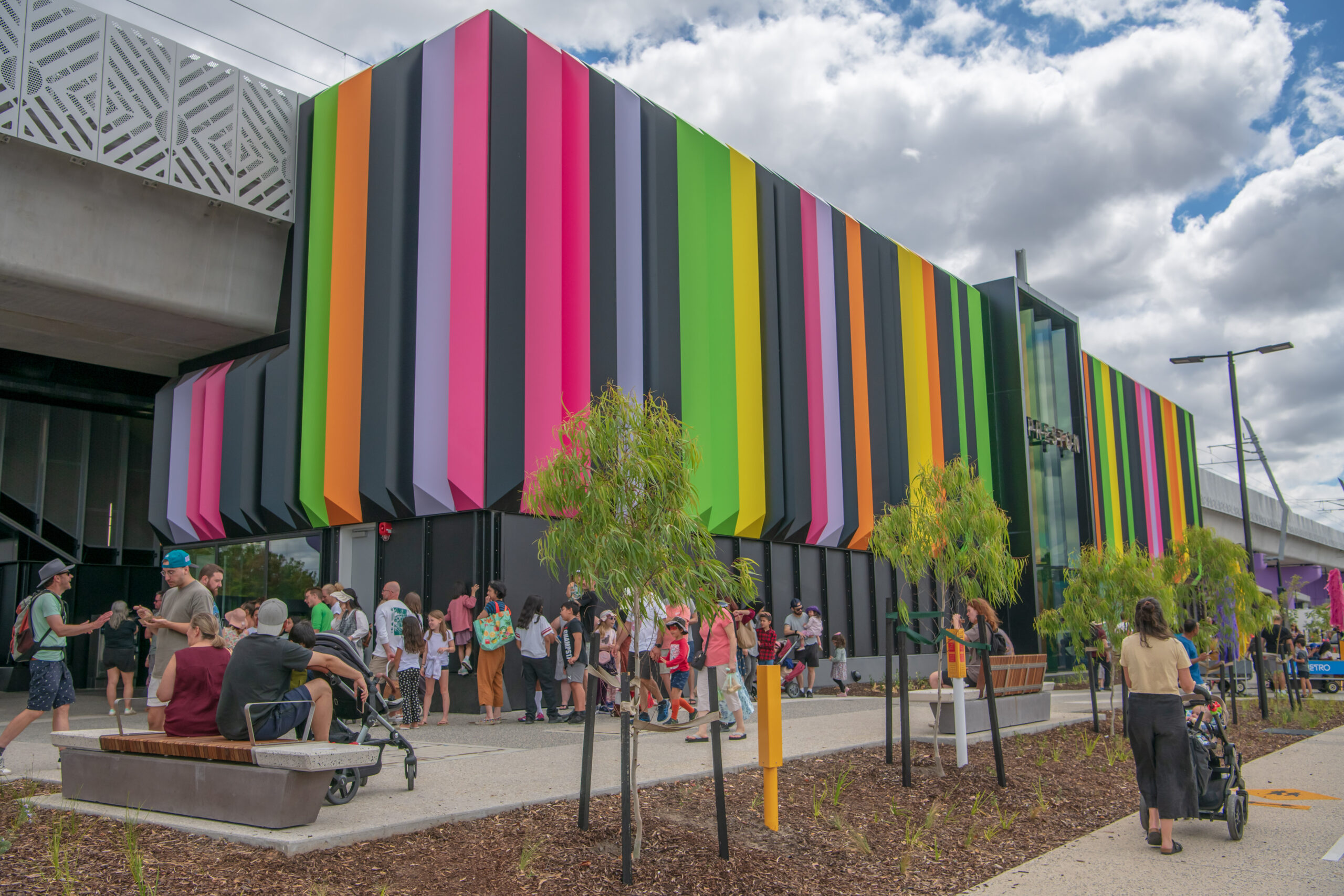
The Project delivered exceptional sustainability outcomes. It reduced energy emissions by 47%, materials emissions by 22%, created a 105% increase in ecological value designed for climate resilience, and delivered a sustainable precinct with 60,000m2 of new public spaces with parks, pedestrian and cycling paths, an amphitheatre, recreational equipment and yarning circle.

The Project’s governance framework was critical to success, enabling ideas to be heard, developed, and evaluated, realising these four initiatives:

SINGLE-LINE RUNNING (SLR):

Implemented for the first time in Victoria, the SLR strategy allowed the build of 2km of viaducts while minimising interruption to train services and commuters. It was a requirement to work within strict track occupation time limits and a lack of space within a narrow rail corridor. Through careful planning, this innovation kept trains running in both directions on one track, while viaduct construction occurred on the other track. This allowed:

-Reduced potential occupation time for construction of the second viaduct from 158 days to 40 days
-Reduced total hours of replacement buses for disrupted train services by an estimated 64%, or 11,998 hours.
-Reduced carbon footprint of bussing hours, a carbon reduction of 494.12 tC02-e.

RADIANT HEAT CURING (RHC):

NWPA partnered with subcontractor Civil Infrastructure Group (CIG) to develop a method of accelerating concrete curing times, allowing a rapid cast ‘in situ’ program. RHC enabled efficient and safe construction of the piers and crossheads required to support the viaducts, which removed the need to construct large concrete elements off-site, transport them to the project, and ‘heavy lift’ them into place. This innovative engineering solution reduced the overall carbon footprint of construction by:

-Avoiding increased cement content – the conventional method to increase curing speed.
-Reducing curing time from seven days to under 30 hours, representing a 45% reduction, or 1,900 curing hours saved, reducing the overall pier and crosshead construction process from two weeks to 3-4 days, also contributing to the reduced bussing hours described above.
-Reducing materials used: accelerated curing times meant fewer steel moulds were required overall.
-Reduced carbon impact of transporting and craning 80 X 100 tonne precast crossheads across the project.

This is the first infrastructure project in Australia to utilise this now patented innovation.

INDIGENOUS ENGAGEMENT AND DESIGN:

NWPA’s design team engaged the Wurundjeri People starting in the development phase, to ensure meaningful local Indigenous culture was authentically represented in the Project’s outcome. Face-to-face workshops with local Elders allowed the Project team to learn their stories and seek feedback on design concepts.

Collaboration with Traditional Owners at all stages resulted in strong cohesion of Indigenous design elements across the Project’s architecture, integrated artwork, landscaping, and wayfinding. The theme for the Project’s ‘Oakover Green’ space was the result of workshops with Wurundjeri Traditional Owners. The story of Baliyang the bat, creator of women, is depicted, creating a space for the Indigenous female voice. A yarning circle as well as native plantings and landscaping from Aboriginal-owned contractor Wamarra, interprets, enhances, and promotes cultural learning and knowledge sharing for the community.

LOCAL COMMUNITY DEVELOPED SOLUTIONS:

During the development phase, the Project created the Preston Open Space Advisory Panel (POSAP) to engage and empower community-nominated representatives, to better understand their wishes and needs, making it a truly collaborative effort. Three areas of open space were identified for the POSAP to provide their advice and preferences, which gave a sense of ownership and ensured areas of the design were inclusive and featured community-led solutions.

SHARING OUTCOMES:

It is NWPA’s aim to lead industry by showcasing sustainable solutions and lessons learnt. The Alliance model gives NWPA the ability to share outcomes with the wider LXRP program, including with other program alliances, and the wider rail and construction industry, through:

-Showcasing our governance processes that drive innovation and meaningful change. In 2022, this included the ISC NZ Conference, Australasian Railway Association (ARA) National Rail Sustainability Conference, an AustRoads seminar and the ARA AustRail conference.
-Publishing of NWPA’s Annual Sustainability Report, detailing case studies and sustainability outcomes achieved. The 2022 report will be available on the public LXRP website in August 2023.
-Partnering with subcontractor CIG, who has now patented the RHC technology and are driven to share this solution to all potential clients across the industry.

Describe WHO benefited from your initiative, innovation, or approach?

Overall, the Project delivered a complex rail infrastructure upgrade using sustainable construction strategies, and revitalised a precinct through a suite of sustainable and inclusive innovations that leave a lasting legacy.

The Project benefited Preston residents and business owners, a range of community stakeholders and the wider construction industry.

COMMUNITY:
Improving the community’s quality of life was at the forefront of our thinking. The Project achieved the following outcomes for Preston:

-Spaces designed by community, for community: NWPA consulted local business and community interest groups to design a precinct of connected public amenities that met community needs and reflected the characteristics of the area.

-The creation of sustainable community spaces: through elevating the rail, 60,000m2 of new, connected open space was created, featuring parks, bicycle and pedestrian pathways, an amphitheatre, recreational equipment, yarning circle, and barbecue area.

-Celebration of Indigenous culture: supported reconciliation and sharing of cultural knowledge through authentic engagement and collaboration with Traditional Owners to represent local Indigenous culture in the new community spaces.

-Improved access and safety: enhanced safety and accessibility to Preston and Bell stations on one of Melbourne’s busiest public transport routes to and from the CBD, supporting more than 200 trains a day.

-Minimised impact to community and rail network: minimised impact to roads and public transport network and avoided some property acquisitions through the innovative SLR construction strategy.

SOCIAL ENTERPRISES
The Project significantly contributed to equity, diversity and inclusion in rail and construction. Through this Project, NWPA and its subcontractors created 487 jobs, including 133 apprenticeships. The Project also engaged 25 Indigenous-owned Businesses (total spend $28 million) and engaged 22 Social Enterprises (total spend $1.28 million).

INDUSTRY
Our practices on this Project supported the development of our subcontractors’ capabilities and contributed to the wider LXRP program by furthering the state of knowledge in sustainability in the construction industry:

-NWPA uses its buying power to support sustainability solutions. We optimise subcontractor forums to inspire strategic procurement, and work with suppliers to encourage communication with their networks. We support subcontractors through innovation showcases and conferences to promote their solutions to other alliances and the wider industry. For example, CIG’s RHC innovation is now patented and in use across the industry.

-NWPA has advocated and shared lessons for embedding sustainability in development with infrastructure clients in Victoria and nationally. Through providing outcomes-based evidence, NWPA is supporting infrastructure proponents to enhance tendering practices that embed sustainability early.

What LEGACY and UN SDG CONTRIBUTION was achieved?

LXRP and NWPA’s Sustainability Strategy aims to deliver transport infrastructure that is climate resilient, promotes human wellbeing and inclusivity, and increases our resource use efficiency. The initiatives highlighted in this submission address eight UN SDGs and are measured, tracked, and publicly reported to drive improvement for each project.

This Project advanced the following SDGs:

-SDG 3: Good Health and Wellbeing (through reducing road injuries by removing level crossings)
-SDG 7: Affordable and Clean Energy (17% increase in renewable energy through 90kW solar system and 47% overall energy reduction)
-SDG 8: Decent Work and Economic Growth (through social enterprise engagement and diverse employment)
-SDG 9: Industry, Innovation and Infrastructure (through sustainable governance and innovative engineering solutions)
-SDG 10: Reduced Inequalities (through the creation of equitable, inclusive public spaces and facilities)
-SDG 11: Sustainable Cities and Communities (through resilient, inclusive and sustainable urban design)
-SDG 12: Responsible Consumption (through 22% materials embodied carbon reduction, sustainable procurement practices and annual reporting)
-SDG 15: Life on Land (through 105% enhancement of ecological value)

URBAN DESIGN LEGACY
The Project’s new urban precinct enhanced sustainability in the wider community through:

-Fostering a culture of collaboration to realise engagement strategies that develop community led solutions.
-Enhancing human interaction and experiences with nature, which builds affinity and appreciation for the environment.
-Bringing Indigenous culture and knowledge to the forefront of design, which supports reconciliation and encourages the perception of urban spaces embedded in a wider cultural context.
-Encourages and enables active transport, specifically cycling and walking, which reduces transport emissions and helps create community resilience through better health outcomes.

INNOVATION LEGACY
For innovations to have a legacy, they must be shared and reused until they become conventional solutions. NWPA uses awareness and knowledge sharing campaigns, including lessons learnt, to promote innovations widely, so that they can be adopted or adapted on current and future NWPA and LXRP projects. For example, the Preston Project’s SLR approach and RHC innovations as well as Indigenous Design outcomes, have been endorsed for reuse on other NWPA and LXRP projects, and the SLR concept has been built upon at Keon Parade LXRP, continuing our approach of leveraging our proven solutions.

NWPA has presented innovations at showcases and conferences to support better sustainable practices throughout the rail and construction industry. For example, we have recently presented CIG’s recently patented RHC innovation to industry at a virtual conference, and it has been adopted on two other projects by other alliances.

GOVERNANCE LEGACY
The governance processes in place today will continue to evolve. Rather than setting how we govern in stone, NWPA’s approach is to continually improve, to ensure we are at the forefront of sustainable innovations in the infrastructure sector, through embedding sustainability in projects, such as Preston, as early as possible.

As an organisation we remain open to disrupting the status quo, by changing how and why we do things in the interests of sustainability within the infrastructure industry.

In 2021, the role of Strategic Procurement Manager was created, to focus on the sourcing of sustainable materials and innovative subcontractors, and to support diversity by engaging social enterprises and Indigenous-owned businesses.

In 2023, NWPA promoted its Sustainability Manager to Director Transformation and Sustainability, to ensure sustainability is represented at all key strategic decision-making gates and drive our team to continually strive for transformational change towards sustainability.

While the Preston Project is within the niche of public rail infrastructure, the principles of embedding sustainability early into project development, partnering designers and contractors with infrastructure proponents to realise exceptional sustainability outcomes, can be adapted to any greenfield development, brownfield development, and urban renewal projects.

Tonkin Gap Project and Associated Works – Governance Outcomes

Describe WHAT you have done and HOW you have done it.

The Tonkin Gap Alliance (TGA) comprised of Main Roads, Public Transport Authority (PTA), Georgiou, BMD, WA Limestone, BG&E and GHD, is upgrading Tonkin Highway in Western Australia with additional lanes, new interchanges, bridges and a shared path, as well as delivering enabling works for METRONET’s Morley-Ellenbrook Line. We are proud to submit our award application, highlighting our achievements in sustainability governance and our commitment to driving positive change in the construction industry.

Throughout the design and construction process, we recognised the significance of establishing a robust and integrated sustainability system and have maintained a focus on engaging the whole team, from management to on-site employees.

To increase the teams’ understanding of sustainability in construction, we launched the ‘Sustainability Essentials’ initiative. During toolbox presentations, our Sustainability Lead and Alliance Director introduced the six key essentials for construction: Integrated Decision Making, Sustainable Procurement, Energy Use, Material Use, Water Management and Waste Management. These were presented in a booklet shared with the team, promoting priorities for each topic and the expectation the wider team would contribute to sustainability success. Training was also rolled out with engineers, serving as a reminder of individual and team responsibilities, as well as introducing the IS rating tool and its broad requirements.

The key driver to our success has been the early set up of a governance structure and comprehensive Sustainability Strategy that has informed our approach. Through collaboration with a broad multi-disciplinary team of internal and external stakeholders, we identified priority sustainability issues and developed suitable focus areas and objectives. The focus areas closely align with the key result areas, (KRAs) established by the Alliance management team, which encompass wellness, quality, timeliness, sustainability and environment, cost, reputation, Aboriginal participation and industry sustainability.

Our Sustainability Strategy helped us establish governance processes that effectively manage both risks and opportunities. By integrating sustainability considerations into the decision-making procedures, we ensure that our actions, through design and construction, align with our commitment to sustainability outcomes and our priority issues.
Sustainable procurement practices have been prioritised and integrated into the commercial management system, with employees engaged in procurement processes and actively participating in the evaluation and assessment processes. To ensure our sub-contractors are aligned with our objectives, we have communicated our sustainability objective and KRAs through toolbox and other meetings, including incentives in some contracts to increase sustainable outcomes.

Our approach to sustainability was further enhanced by the Alliance contractual framework. As an Alliance, we worked together to surpass business-as-usual sustainability practices, fostering an approach to exceed expectations in sustainability performance. Our local focus has been instrumental in providing significant benefits to the Project, leveraging our understanding of the local context and allowing us to tailor our sustainability efforts to address specific industry challenges that have previously been seen in WA.

What were the OUTCOMES and how were those outcomes shared?

Our comprehensive and pragmatic Sustainability Strategy underpins the integration of governance processes and has contributed to specific outcomes across many objectives. With significant support from senior management, and across the wider team, we have successfully implemented an approach that addresses social, environmental and economic aspects, rather than chasing a singular achievement.

Our sustainability workshops were aimed at identifying risks and opportunities across the triple bottom line and were closely aligned with overarching our sustainability objectives.

As an early intervention strategy, we facilitated a workshop with key internal stakeholders and Main Roads representatives, including Project Management, Materials Engineering Branch and Asset Management. This collaborative effort enabled us to identify priority opportunities, particularly in materials trials and innovative approaches, and we successfully laid the foundation for achieving various resource efficiency outcomes.

Notable accomplishments include reuse of 612T of stone-pitching at Guildford Road and Railway Parade abutments, saving 5,600L diesel, repurposing approximately 20 light poles slated for removal and trial of lower carbon concrete mix, all which required acceptance from Main Roads representatives.

We developed an integrated decision-making tool that incorporated sustainability criteria and whole-of-life costing for design and construction. This framework was extensively applied during the design phase, assessing at least 25 value engineering initiatives, which enabled us to make significant reductions in diesel and material usage, while optimising outcomes for community and stakeholders.

A standout outcome resulting from our decision-making approach was one of our verified Australia First innovations, an incrementally launched bridge over the Derbarl Yerrigan (Swan River) with the longest girder ever used. By eliminating need for a temporary pier in the river, dredging was not required, and we avoided disturbance to sediment and minimised water quality impacts. This approach resulted in substantial savings, including 23kL of diesel and 25T of reinforcement steel, while minimising impacts to an important Aboriginal heritage site and reducing disruptions to recreational users during construction.

To help our team achieve sustainable outcomes, we established robust sustainable procurement processes. This included a vendor self-evaluation and procurement multi-criteria analysis, incorporating sustainability criteria such as environmental impact, resource use and waste, stakeholder and community impact, safety, quality and industry experience, and industry sustainability.

This evaluation tool enabled us to identify opportunities in consultation with subcontractors, in line with our sustainability objectives. Our commitment to sustainability was also effectively communicated to subcontractors and suppliers through the request for quote (RFQ) process. We conducted industry briefings with the Civil Contractors Federation and dedicated sessions for Aboriginal businesses, fostering early engagement and demonstrating our commitment to sustainable procurement practices.

Through active supplier engagement and partnerships, we successfully implemented two Australia First innovations. We leveraged off WA Limestone’s existing relationship with Avertas Energy and Covalent Lithium to trial two types of retaining wall blocks containing recycled construction and demolition waste, one supplemented with incinerator bottom ash aggregate (IBAA) from a waste-to-energy plant and the other with de-lithiated beta spodumene, from lithium processing. TGA shared the challenges and learnings from the trial at the ISC WA Symposium in 2023, providing a platform for the suppliers to share this opportunity and encourage wider industry adoption.

Fostering the relationship with Holcim led to a trial of their ECOPact concrete mix, delivering a 30 per cent reduction in carbon emissions through the use of recycled aggregates, at the Wotton Reserve footpath. These outcomes exemplify our dedication to promoting sustainability within our supply chain.

Our focus on delivering outcomes against our sustainability objectives and KRAs, yielded exceptional results in Aboriginal business spend. We identified priority packages utilised the procurement multi-criteria analysis and engaged with the Traditional Owner Advisory Group. As a result, we have significantly exceeded our initial $10 million target spend for Aboriginal businesses, with a current committed spend of $25 million, and a new stretch target of $30 million.

We regularly report and seek advice on ways to improve outcomes from our investment in areas of employment and culture heritage with the Traditional Owner Advisory Group and Main Roads Aboriginal Engagement team.

Our sustainability progress and success has been communicated internally through meetings, Board presentations, Toolboxes and Workplace, and externally through social media, Open House events, Annual Sustainability Reports and the Project website.

Describe WHO benefited from your initiative, innovation, or approach?

Our Sustainability Strategy is providing benefits to the local community, key stakeholders, industry, our workforce and the natural environment.

We have prioritised the needs of key stakeholders, building strong relationships and ensuring their involvement throughout the design and ongoing construction. By establishing various working groups, we provided a platform for targeted feedback and collaboration around risks and opportunities for stakeholders with differing priorities. Notably, the Traditional Owner Advisory Group was engaged to inform the decision-making and development of design initiatives, including the heritage trail, and have also meaningfully contributed to the outcomes around Aboriginal business spend.

The community has also been a primary beneficiary of our sustainable governance approach. Recognising the importance of minimising disruption and maximising social outcomes, we went above and beyond to engage with the local community using their input to inform decision-making in design and construction. More than 6,000 community members across three local government areas have been given the opportunity to participate in shaping the design and delivery of the infrastructure through regular Open House events which showed design at various stages.

Our workforce has been a major beneficiary of this Project. In a collaborative and supportive work environment, we have created a sense of ownership and professional development across our team. This has contributed to the overall success of the Project and has led to a substantial growth in sustainability knowledge for each organisation within the Alliance. Employees will leave the Project with a greater understanding and knowledge of Sustainability Governance to carry forward in their career.

Our procurement approach has had a positive impact on subcontractors and suppliers. By effectively communicating and driving sustainability outcomes through the supply chain, we are raising expectations around sustainability performance and consideration of triple bottom line impacts for construction related activities and project delivery. The industry as a whole stands to gain from maintaining a steadfast commitment to integrating sustainability and updating practices to align more effectively with sustainability outcomes, propelling the industry forward.

Finally, the outcomes achieved through implementation of our Sustainability Strategy have contributed to improvements in the natural environment. With significant focus on design optimisation and value engineering through the risk and opportunity process and use of the integrated decision-making tool, significant savings of carbon emissions, including those through material selection and reduction, have been realised on the Project. Prioritising environmental considerations during design has also reduced direct and indirect impacts to the environment.

What LEGACY and UN SDG CONTRIBUTION was achieved?

Through our comprehensive Sustainability Strategy and collaborative efforts, our Project has achieved significant outcomes in line with several UNSDGs, creating a legacy in line with the core principles. Our commitment to SDG 8 (Decent Work and Economic Growth) is evident in outcomes from our sustainable procurement practices, which prioritised opportunities for Aboriginal businesses. Our initial target of a $10 million spend was significantly surpassed and a new stretch target of $30 million was established. This not only fosters economic empowerment within the Aboriginal community but also contributes to the growth and prosperity of local businesses.

In line with SDG 9 (Industry, Innovation and Infrastructure), our Project has embraced a culture of innovation and sustainable infrastructure development. By incorporating sustainability consideration into our decision-making processes, we successfully implemented at least 25 value engineering initiatives, resulting in significant reductions in diesel and material use, along with improved outcomes for community and stakeholders. Notably, our Australia First innovation of utilising the longest launching girder for an incrementally launched bridge and subsequent removal of the requirement for a temporary pier in the Derbarl Yerrigan, minimised environmental impacts and showcased our commitment to pushing the boundaries of engineering excellence. Our risk and opportunity assessment process, including assessment of climate change impacts, contributed to designing and building more resilient infrastructure, while our focus on sustainable procurement has made a substantial impact on local and Aboriginal business spend.

SDG 12 (Responsible Consumption and Production) has been at the core of our sustainability approach. Our integrated decision-making framework, including the procurement multi-criteria analysis, has guided us through our design optimisation and procurement decisions, contributing to outcomes in resource efficiency, workforce engagement and development.

Initiatives driven through these governance processes have minimised waste generation, reduced carbon emissions and promoted responsible resource management. By maximising the retention and repurposing of onsite resources, such as stone pitching, light poles and pavement materials, as well as incorporating more than 200,000T of recycled content, we have enhanced our contribution to circular economy principles and SDG 12.

Our resource management approach, including trials outcomes and challenges was communicated to the industry through conference presentations and knowledge sharing forums facilitated by Main Roads and the PTA.

In line with SDG 17 (Partnerships for the Goals), we actively engaged with stakeholders, suppliers and the wider industry to share our expectations, challenges, outcomes and knowledge. Through conferences, industry forums and supplier engagement sessions, we shared valuable insights and encouraged the adoption of sustainable practices by other projects and organisations. Our partnerships with WA Limestone and Holcim resulted in Australia First innovations, demonstrating our commitment to collaborative innovation and advancing the industry as a whole.

The legacy of our Project extends beyond the physical infrastructure. Our Project team has gained invaluable experience in sustainability practices, setting them and the organisations involved in the Alliance up for future projects and contributing to the advancement of the industry. By creating a culture of sustainability, and providing the tools and training, we have empowered our team to drive sustainable outcomes and lead by example. Through integrated decision-making processes, knowledge sharing and stakeholder engagement, we have actively contributed to the collective efforts towards achieving the SDGs. Our Project has served as a platform for internal and external knowledge exchange, facilitating wider adoption of sustainable practices and ultimately shaping the future of the industry.
The opportunity to deliver this Project has not only granted invaluable expansion of experience and knowledge to employees of all levels, but it has also acted as a catalyst for broadening the collective comprehension of sustainability management and application of the IS rating tool on a major project.

Western Harbour Tunnel Southern Tunnel Works – Environmental Outcomes

Describe WHAT you have done and HOW you have done it.

In 2018, the John Holland CPB Contractors Joint Venture (JHCPB) was contracted by Transport for New South Wales (TfNSW) to deliver the Rozelle Interchange (RI). The Project scope included construction of an underground tunnel motorway interchange, including enabling works for the future Western Harbour Tunnel (WHT).

In late 2021, TfNSW issued JHCPB a contract variation to construct WHT Stage 1. The new scope included tunnel excavation between Emily St, Rozelle and Cove Street, Birchgrove, connecting into the WHT Cut and Cover (C&C) previously constructed by JHCPB as enabling works for WHT.

JHCPB identified three design innovations to reduce the environmental and community impacts associated with WHT Stage 1:

  1. Eliminating the temporary construction site at the corner of Victoria Road/Darling Street by establishing a spoil load-out zone within the pre-existing WHT C&C.
  2. Optimising the driven tunnel alignment.
  3. Optimising the ventilation tunnel alignment.
    The following benefits were realised:

• A substantial reduction of 170,255t of carbon (7.43%), and between 7-12% of various raw material use and waste generation during construction.
• Elimination of a substantial number of community impacts, including noise, dust, traffic congestion and loss of visual amenity at Iron Cove and Rozelle.
• Reduced construction program duration and de-risking of the overall works program.
• Reduced capital expenditure for the NSW State Government.
Further detail on the innovations developed by JHCPB:

  1. Elimination of the need for a temporary construction site
    The WHT EIS identified a requirement for a temporary tunnel decline on the corner of Victoria Road/Darling Street (the site of the former Balmain Leagues Club) to provide access for spoil haulage during WHT excavation.
    The 8,500m2 site is bounded by residential properties, Rozelle Public School and small retail businesses. With up to 420 heavy vehicle movements anticipated to enter the site daily, this proposal was likely to be highly impactful for the community.

As the contractor responsible for delivering both RI and WHT Stage 1, JHCPB proposed to establish the spoil load-out zone within the WHT C&C structure situated inside the existing RI boundary. This solution entirely omitted the need for the temporary tunnel decline under Rozelle Public School that had been already approved by the Minister for Planning.

  1. Driven tunnel alignment optimisation
    JHCPB optimised the mainline tunnel horizontal alignment, reducing the driven tunnel length by 2.77%. This small refinement has compounding benefits; with 67,000 vehicles forecast to use the tunnel daily by 2027, the shorter distance means estimated vehicle emissions will be reduced by >800kg CO2e daily.
  2. Ventilation tunnel alignment optimisation
    During detailed design the ventilation support tunnel alignment was optimised and overall length reduced. A 10% reduction in excavation volumes was achieved for these tunnels.

What were the OUTCOMES and how were those outcomes shared?

  1. Elimination of the need for a temporary construction site
    By eliminating the need for a tunnel decline at the former Balmain Leagues Club site (https://www.transport.nsw.gov.au/news-and-events/media-releases/update-on-victoria-road-construction-site), the following benefits were realised:
    Economic
    • Forgoing establishment of a new site means the WHT delivery timeline was shortened and the Project de-risked as a whole. This has broader benefits; the earlier the Project is completed, the sooner WHT can deliver efficiencies for the economy by shortening cross-city journey times and reducing traffic congestion.

Community/sensitive receivers
• No temporary construction site established in Rozelle’s busy residential/retail/commercial precinct. The alternative solution saw the new spoil load-out zone be established within the WHT C&C structure, which sits within an existing construction site and industrial area.
• No deterioration of visual amenity on Darling Street and Victoria Road.
• Elimination of shallow tunnelling under Rozelle Primary School avoids disruptive noise/vibration impacts on students.
• Heavy vehicles taken off Victoria Road minimises traffic congestion and enhances safety for children accessing nearby primary school.
• The site offices for Stage 1 WHT were also relocated to the WHT C&C structure alongside the spoil loadout zone. This was a superior outcome to the EIS-approved location (inside the future Rozelle Parklands). Thanks to this innovation, the Rozelle Parklands will be kept free of construction office buildings, leading to more open green space for the community, sooner (refer attachments).
Environment
• Large volumes of materials and waste were saved:
o No need to demolish existing structure at former Balmain Leagues Club.
o No need to establish new utilities connections, hardstand, an acoustic shed or signalised intersection.
o An estimated 28,343t steel and 48,031m3 spoil waste were not required (refer attached table).
• Reduction in noise pollution. All spoil load-out activities are instead undertaken within the WHT cut & cover, an acoustically insulated structure with no immediate neighbouring residential receivers.
• Emissions reductions. Direct heavy vehicle access to motorways/arterial roads (City West Link) from the WHT C&C has reduced journey lengths and associated emissions.
• Less potential for dust generating activities through forgoing the need to establish a new site.
Financial
• Reduced capital expenditure by the State Government as delivery costs are reduced.

  1. Driven tunnel alignment optimisation

By shortening the mainline tunnel length:
• Vehicle emissions will be reduced by an estimated >292,000kg CO2e during the first year of operations alone.
• >14,000m3 of spoil was saved through reduced excavation requirements, reducing waste generation and avoiding heavy vehicle emissions associated with spoil haulage.
• Less water, steel and concrete required to reinforce and fit-out the tunnel (refer attached table).

  1. Ventilation tunnel alignment redesign
    The 10% reduction in excavation volume means:
    • Reduced steel, concrete, shotcrete and water consumption.
    • Reduced spoil excavation volumes.
    • Ventilation fan power loads are reduced, as vitiated and clean air has a shorter distance to travel to circulate through the tunnel network.
    Sharing outcomes
    These positive outcomes have been shared with the following stakeholders:
    Client
    • The WHT C&C innovation was shared to the client prior to awarding the WHT Stage 1 variation. The innovative, agile contract negotiations that took place between TfNSW and JHCPB to enable such innovations to be realised demonstrated a capacity within TfNSW to fully maximise opportunities in infrastructure delivery, regardless of project stage. The development and approval of this solution required close cooperation and collaboration between the two parties.
    Mainline and ventilation tunnel alignment enhancements were shared with the client during meetings and presentations in detailed design.
    Community
    • The local community is one of the most important stakeholders in the delivery of the WHT Project. The benefits of the solution have been shared with the community via email and paper-based construction updates, as well as on Frequently Asked Questions pages and during face-to-face community town hall meetings.
    Project staff and parent companies
    • The WHT innovations developed have been converted into a 2-page summary document stored on the Project’s external-facing website
    (https://rozelleinterchange.com.au/media/c3odpqmw/230501-underground-spoil-loadout.pdf)
    • This 2-pager has been shared with interested third parties, including members of the parent companies (JH and CPB Contractors), to provide an overview of the innovation and generate interest in further knowledge share across the businesses.
    • The innovation has also featured in Project intranet articles and newsletters, spreading word of the innovation to the 1500 direct employees and subcontractors who attend the Project site daily.

Describe WHO benefited from your initiative, innovation, or approach?

NSW Government

• Reduced capital expenditure, as the delivery contractor was able to pass on financial savings from the more efficient solutions.
• No need to acquire the site of the former Balmain Leagues Club as a temporary construction site.
• Simplification of project delivery methodology allowed resources to be better focused on other areas of project delivery.
• De-risking the overall WHT program of works by reducing the forecasted delivery timeline.
• Reduction in carbon footprint aligns with TfNSW carbon reduction goals and enhances the reputation of the NSW government.

Local community

• Reduction of trucks on local and arterial roads reduces traffic congestion and enhances pedestrian safety, particularly for school children accessing the local primary school.
• Less potential for dust generation.
• Significant reduction in noise and visual amenity impacts to local business and sensitive receivers by forgoing use of the temporary construction site at the site of the former Balmain Leagues Club.
• Local businesses not impacted by disruptive temporary construction site in the centre of the commercial/retail district.
• The site of the former Balmain Leagues Club can be beneficially redeveloped for other pursuits earlier, as it is no longer required to support WHT construction.
• Earlier access to the full extent of the future Rozelle Parklands for the community, with the WHT Stage 1 site offices able to be relocated to the WHT C&C structure rather than the future Rozelle Parklands.

NSW state and global community

• Reduced materials (steel, concrete, water) usage reduces pressure on finite resources.
• Reduced waste generation reduces pressure on landfills and fuel emissions associated with heavy vehicle haulage.
• Reduction in project carbon footprint benefits the global community by limiting contribution to climate change.
• Contributing to on-time delivery of a major infrastructure project will benefit the state economy through increased efficiency of transportation and road travel.

JHCPB
• Project delivery is de-risked by avoiding the need to establish an entirely new site.
• The superior outcome delivered for the client and community enhances the reputation of JHCPB and the parent companies as trusted tier one contractors.
• Excavation of WHT Stage 1 was able to commence 3 weeks earlier than originally forecast.

Commuters

• By shortening the length of the mainline tunnel alignment, commuters will consume less fuel and reach their destination sooner once in operation.

What LEGACY and UN SDG CONTRIBUTION was achieved?

The three successful innovations highlighted above have left a strong environmental legacy for WHT Stage 1. In implementing these changes, JHCPB and TfNSW have set a high benchmark for responsive and responsible urban construction that considers the needs of stakeholders and the environment in all aspects of project delivery.

The reduced carbon footprint achieved has contributed to the State’s net zero goals, and the decision to relocate spoil load-out activities has enhanced the local community’s experience with the Project. For most residents, the construction of WHT Stage 1 will go almost entirely unnoticed, with all works being conducted ‘out of sight and out of mind’; occurring entirely underground from within the WHT C&C structure.

The innovations presented align with the SDGs on a number of fronts:

Responsible consumption and production – By reducing spoil excavation volumes, better urban waste outcomes have been achieved, closely aligning with SDG Target 12.5, to ‘substantially reduce waste generation through prevention, reduction, recycling and reuse’. Reduced consumption of finite materials including steel, concrete and water to construct the Stage 1 WHT project also align with this SDG.

Sustainable cities and communities – By forgoing the use of a temporary construction site at the former Balmain Leagues Club, JHCPB has supported the maintenance of a safer road network, keeping construction vehicles separate from popular pedestrian areas and traffic to the greatest extent possible. This aligns with SDG Target 11.2, which highlights the importance of ‘improving road safety’.

Impacts to urban air quality have been mitigated by moving spoil load-out to the WHT C&C, where the potential for dust generation is reduced. Noise and vibration impacts have been lessened, with no shallow tunnelling to be undertaken underneath sensitive receivers such as Rozelle Primary School. The urban amenity of Iron Cove and Rozelle’s retail and commercial precinct has been maintained thanks to these innovations.

Industry, innovation and infrastructure – The Innovative, agile contract negotiations that took place between TfNSW and JHCPB to enable such innovations to be realised, demonstrated a capacity within TfNSW to fully maximise opportunities in infrastructure delivery, regardless of project stage. This fosters innovation by encouraging industry to bring new ideas to government in the knowledge there is the capacity to act quickly to benefit the State and community.

Transurban/Ventia Hills M2 Ops – Environmental Outcomes

Describe WHAT you have done and HOW you have done it.

Transurban and Ventia embarked on a collaborative sustainability initiative to achieve environmental outcomes at the Hills M2 Motorway. Through innovative solutions and best practices, they aimed to reduce greenhouse gas emissions, divert waste from landfill, and enhance biodiversity.

To reduce greenhouse gas emissions, Transurban and Ventia took a holistic approach. Adopting energy-efficient technologies, such as LED lighting and efficient HVAC systems, throughout the motorway infrastructure. Additionally, they promoted fuel-efficient driving practices among motorists using the motorway, including public awareness campaigns and educational initiatives. Integration of renewable energy sources, such as solar panels and wind turbines, was explored at suitable locations along the motorway.

In waste management, Transurban and Ventia implemented strategies to divert waste from landfill. They established partnerships with waste management companies and recycling facilities to ensure proper sorting and recycling of waste generated by the motorway’s operations and maintenance activities. Robust waste management systems were implemented, including waste separation and recycling bins, to encourage responsible waste disposal practices.
To enhance biodiversity, Transurban and Ventia undertook roadside vegetation rehabilitation and management activities. This involved the identification and removal of invasive plant species and the re-establishment of native vegetation. The project team worked closely with environmental experts to select appropriate plant species, ensuring the restoration of diverse and ecologically valuable habitats. Ongoing maintenance and monitoring were implemented to ensure the long-term success of the biodiversity enhancement initiatives.

What were the OUTCOMES and how were those outcomes shared?

The sustainability initiatives of Transurban and Ventia at the Hills M2 Motorway have yielded significant outcomes in reducing environmental impact and enhancing sustainability. These outcomes were shared through various channels to promote transparency, best practices, and knowledge exchange within the industry.

Key Environmental outcomes summary:
• Achieved the highest IS rating in the industry of 69
• 48% GHG emissions reduction over the asset’s lifetime, compared to base case—from 72,967 t-CO2-e (base) to 37,895 t-CO2-e (actual)
• 97.6% of operations and maintenance waste and 63% of office waste diverted from landfill
• generated biodiversity value via roadside vegetation rehabilitation and management activities
• enhanced customer travel via a program promoting safer driving
• Deployment of innovative maintenance driver behaviour and fuel efficiency program

GHG Emissions
Through the implementation of energy-efficient technologies and the promotion of fuel-efficient driving practices, Transurban and Ventia achieved a remarkable 48% reduction in greenhouse gas emissions over the motorway’s lifetime compared to the base case scenario. These outcomes were shared through annual sustainability reports, industry conferences, and workshops focused on sustainable transportation. Transurban and Ventia actively engaged with the industry stakeholders, including government agencies, environmental organisations, along with launching Australia first fully electric incident response vehicle.

Waste Management
In waste management, the partnership achieved exceptional outcomes in waste diversion from landfill. Close to 100% of operations and maintenance waste generated by the motorway and a significant portion of office waste were diverted through comprehensive waste management practices. The outcomes were shared through case studies, webinars, and workshops highlighting successful waste management strategies. Transurban and Ventia actively collaborated with waste management companies, sharing their experiences and best practices in waste diversion. They also provided guidance and support to other toll-road operators and infrastructure organisations to replicate their waste management successes.
Enhancement of biodiversity

A crucial aspect, through roadside vegetation rehabilitation and management, Transurban and Ventia successfully created valuable habitats and contributed to the preservation of local ecosystems. The outcomes were shared through collaboration with environmental organisations, participation in biodiversity conferences, and knowledge-sharing platforms. They documented their experiences and lessons learned in scientific publications, industry journals, and online platforms. Transurban and Ventia actively engaged with ecologists, environmental experts, and conservationists to exchange knowledge and promote the importance of biodiversity conservation in infrastructure projects.

Describe WHO benefited from your initiative, innovation, or approach?

The sustainability initiative of Transurban and Ventia at the Hills M2 Motorway has benefitted various stakeholders and communities.

Motorway users and commuters have directly benefited from the promotion of fuel-efficient driving practices, which not only contribute to reducing greenhouse gas emissions but also lead to cost savings for individuals. Safer driving programs have enhanced customer travel experiences, ensuring a safer road environment and reducing the risk of accidents.
Local communities surrounding the motorway have experienced the positive outcomes of the biodiversity enhancement initiatives. The restoration of native vegetation has contributed to the preservation of local ecosystems, supporting wildlife populations and enhancing the overall ecological balance in the area.

The environment and the broader community have benefited from the reduction in greenhouse gas emissions and waste diversion practices. By minimising their environmental footprint, Transurban and Ventia have contributed to mitigating climate change and preserving natural resources.

Government agencies and policymakers have benefited from the outcomes by gaining insights into effective sustainability strategies for infrastructure projects. The initiatives of Transurban and Ventia provide valuable examples and best practices that can inform future policy development and decision-making processes.

Industry stakeholders, including toll-road operators, infrastructure organizations, and waste management companies, have gained knowledge and inspiration from the outcomes achieved at the Hills M2 Motorway. The sharing of outcomes and best practices has encouraged the adoption of sustainable approaches in their own operations, leading to broader industry-wide improvements in environmental performance.

What LEGACY and UN SDG CONTRIBUTION was achieved?

Our sustainability initiatives at the Hills M2 Motorway has left a lasting legacy and made significant contributions to the United Nations Sustainable Development Goals (SDGs).

Our Legacy
Transurban and Ventia have established new industry standards and best practices for sustainable motorway management. Their comprehensive approach to reducing greenhouse gas emissions, waste diversion, and biodiversity enhancement sets a benchmark for infrastructure projects. Their successful outcomes and knowledge-sharing efforts have inspired other industry players to adopt similar practices, ensuring a long-lasting legacy of sustainability in asset management.

UN SDGs
Transurban and Ventia’s have made notable contributions across multiple goals.
Goal 13: Climate Action by mitigating climate change impacts.
The reduction in greenhouse gas emissions directly supports Goal 13: Climate Action by mitigating climate change impacts. By adopting energy-efficient technologies and promoting fuel-efficient driving practices, they have demonstrated a commitment to decarbonization and transitioning to a low-carbon future.

Goal 12: Responsible Consumption and Production.
The waste diversion practices contributes by diverting waste from landfill and promoting circular economy principles, Transurban and Ventia have reduced resource consumption and minimized the environmental impact associated with waste generation. They have set an example for responsible waste management practices, encouraging other organizations to adopt similar approaches.

Goal 15: Life on Land
The biodiversity enhancement by rehabilitating roadside vegetation and creating habitats for native flora and fauna, Transurban and Ventia have contributed to the preservation and restoration of local ecosystems. Their efforts promote the importance of biodiversity conservation in infrastructure projects, supporting the overall conservation of terrestrial ecosystems and the protection of biodiversity.

Goal 17: Partnerships for the Goals.
Working together by knowledge-sharing activities and collaboration with stakeholders contribute to Goal 17: Partnerships for the Goals. By actively engaging with industry organisations, government agencies, and environmental groups, they have fostered partnerships and knowledge exchange, promoting the adoption of sustainable practices and strengthening collaboration towards achieving the SDGs.

The Hills M2 Motorway and Lane Cover Tunel has established a legacy of sustainability, through significant contributions to the UN SDGs, and inspired positive change within the industry. By using advanced asset management principles outcomes were possible in emissions reduction, waste diversion, and biodiversity enhancement reflect their commitment to environmental stewardship and provide a roadmap for future infrastructure projects.

Forrestfield-Airport Link – Environmental Outcomes

Describe WHAT you have done and HOW you have done it.

Now known as the Airport Line, the METRONET Forrestfield-Airport Link included two 8km tunnels, three new stations and a total 16km of rail infrastructure.

From 2016, the Public Transport Authority and Webuild-NRW JV worked collaboratively to achieve a minimum Infrastructure Sustainability (IS) Excellent Design Rating and Leading As-Built Rating. The project was the first rail project in Western Australia to achieve an IS rating.

The commitment to a sustainable project started at the very beginning – with the decision to move the 8km rail line underground.

Impacts to the environment (flora and fauna) were reduced by the decision for tunnelling in general, rather than building surface infrastructure. This was especially important as the infrastructure was built in densely populated urban areas, and near and on the Perth Airport estate. Perth Airport is the major gateway to WA due to the State’s large distance from other capital cities, not just for travellers, but also for freight, and impacts to air traffic would have had a major flow-on effect on the economy.

Environmental and heritage considerations were a key priority and detailed planning occurred to ensure areas of significant environmental value were identified, managed and reported on early. Environmental Management Plans with appropriate measures and controls were implemented and continuously monitored during construction.

Minimising water consumption

Perth has a drying climate and water is a scarce resource. Minimising the need for water and implementing water recycling initiatives were a key focus in the design, construction and operation of the project.

Water-saving initiatives included recycling water during the tunnelling process, with a water treatment plant at the High Wycombe construction site.

Recycling water during the tunnelling process achieved the biggest reduction in water usage. A filter press and centrifuge were used to separate water from excavated material – water was then recirculated to the tunnel boring machines (TBMs).
During operations, smart monitoring is installed to detect water leaks and reduce the water consumption.

Tunnel segment production

A purpose-built pre-cast concrete segment facility was constructed in close proximity of the tunnelling, enabling streamlined manufacturing and reduction in haulage. Over two years, 9098 rings (54,588 segments) were made at the factory.

The concrete solution used for the manufacture of the segments was based on a hybrid system using steel fibre-reinforced concrete and light steel reinforcement rebar cages. Polypropylene fibres were incorporated within the concrete mix to comply with the fire resistance requirements.

In consultation with the supplier, a low-carbon concrete blend containing 65% Supplementary Cementing Materials (SCM) was successfully developed

In addition to meeting environmental requirements, strict quality and durability specifications needed to be met with more than 40 concrete trials conducted in the product’s development, winning the final mix the 2019 Concrete Institute of Australia (WA) Award for Excellence in the Technology and Innovation Category.

Solar panels

Forrestfield-Airport Link has the largest solar panel system installed by a WA State Government department/corporation, with the plan to see this become the norm within the Public Transport Authority (PTA).

What were the OUTCOMES and how were those outcomes shared?

Water saving initiatives

The expected amount of water used during construction was reduced by 30 per cent (2740 megalitres) through the recycling of water used by the TBMs and other plant. Water pipes were connected from the water treatment facility in High Wycombe, to the TBMs as they tunnelled 8km to Bayswater.

An innovative water reclamation, treatment and recycling system was implemented during tunnel construction. The system consisted of several interconnected components on all the major flows associated with the system, and modelling was undertaken to determine the volume of water that was recycled and reused.

Tunnel segments
Use of traditional concrete (~10% SCM) would have required 550kg/m3 of cement. For the Forrestfield-Airport Link, the final concrete blend for the tunnel segments composed of only 230kg/m3 of cement – this resulted in a total saving of 21,848 tonnes of CO2 emissions.

The purpose-built facility enabled the project to have greater control over the production quality and quantity, resulting in less waste. The facility was purposely located in close proximity to the tunnelling activities, keeping heavy haulage distances at a minimum.

Post-product development, the project successfully obtained Greentag certification, an EPD and an environmental innovation award from Cement Concrete and Aggregates Australia (CCAA), the peak body for heavy construction materials industry in Australia.

The high-SCM concrete blend was able to meet the projects 120-year design life requirements. This translates to lower maintenance requirements during the asset’s life.

Key sustainability initiatives were also achieved in the manufacturing of tunnel segments:
• 46 per cent of the cementitious material was recycled by-products composed of silica fume and blast furnace Slag. These two constituents, along with General Portland (GP) Cement, created a triple blend cement, significantly reducing the amount of higher energy intensity cementitious material required.
• To achieve the required 60MPa compressive strength, only 230kg/m3 of GP cement was used compared to 550kg/m3 used as the benchmark for similar strength concrete.
• The steel fibres incorporated into segments came from 20 percent recycled material. Of the 3200t of steel fibres used for the segments, 640t came from recycled origins.
• The concrete waste material from the wet and dry concrete bins was converted into either 19mm concrete road-base or 20mm drainage rock.
• An onsite Waste Water Treatment Plant, treating stormwater and used potable water from the batch plant. The system was designed to treat 62.5kL of stormwater with a catchment area of 665sqm and 10kL in the upstream wedge-pits. There were two tanks to treat the contaminated water to appropriate levels – the water was then reused for batch plant washdowns, and segment mould cleaning.

The efficiencies and sustainability initiatives have been shared through industry papers, conferences, social media channels, including the Transport Minister’s social media, as well as industry magazines.

Further knowledge sharing events were also held between Webuild-NRW and individuals working in the sustainability space on other PTA and Main Roads infrastructure projects.

Solar panels

The 278kW solar array installed at High Wycombe reduces the station’s consumption of grid electricity and is associated with a saving of 35,904 tCO2 over the lifetime of the project. This will reduce the energy consumption of the asset by about 4.33%.

The installation of the solar panels and saving have been shared as a benchmark to use in future decision making on all major rail projects. It has also been shared at industry conferences, and via social media.
The solar energy has a lower carbon footprint than that produced by fossil fuels for the Perth grid. The main environmental benefits include:
• Reduction in greenhouse gases and other air pollution traditionally produced for electrical production
• Reduction in the use of finite resources (coal and water) in preference of the renewable source from the sun.

PTA has shared the lessons learnt and successes from the installation as a benchmark to use in future decision making on all major rail projects.

The successful approach to solar power has been repeated at the first new train station built since the Airport Line opening, Lakelands Station. A large array of solar panels was installed on the station’s bus interchange canopies, as was the case at High Wycombe Station.

Describe WHO benefited from your initiative, innovation, or approach?

The sustainability initiatives provided whole-of-state benefits, translated down to the individual with tax payer money saved on maintenance (120-year life span of infrastructure). The reduction of emissions and use of resources contributes to a better and more sustainable environment for generations to come.

The development of the high SCM concrete blend for the tunnel segments, and subsequent product promotion and market recognition was a step toward changing business-as-usual in the construction industry. This case is a clear example that sustainable practices do not have to come at the expense of durability, quality or profit.

What LEGACY and UN SDG CONTRIBUTION was achieved?

Throughout the planning, design and construction stages of the Forrestfield-Airport Link project, our sustainability vision was for an innovative and sustainable project, providing a solution for enhancing the connectivity, liveability and prosperity of Perth and its eastern suburbs including the airport.
A lasting legacy has been achieved through the infrastructure’s a 120-year design life, as well as the upskilling of employees and businesses, economic support to WA and Australian businesses and local stories and history captured in the Public Art.
UN SDG contributions include:

Goal 8 – Decent work and economic growth
During design and construction, the project supported economic growth in delivering large-scale public transport infrastructure and the longest tunnel in WA. We supported a diverse workforce and implemented opportunities to up-skill people of all ages within the tunnelling and construction industry.

Goal 9: Industry, Innovation, and Infrastructure
As well as providing new public transport opportunities to the eastern suburbs and Perth Airport, the project built resilient infrastructure (120-year design life), delivered innovative initiatives, and continued to support the local economy and workforces during the COVID pandemic.

Goal 11: Sustainable Cities and Communities
The social and economic benefits of the Airport Line cannot be understated, particularly in boosting employment, residential and economic growth, especially around the stations.
In addition, during construction Webuild-NRW boosted the local economy by awarding more than 90% of the total $1.1billion of contracts to Australian companies; 65% of these were from Western Australia.
Further, the Airport Line has increased public transport options for the 60,000-strong and notoriously underserviced catchment area of the eastern suburbs and foothills, significantly reduced travel times from the eastern suburbs to Perth’s CBD by public transport, reduced car dependency for both nearby residents and those travelling to the airport.
It has also created additional capacity on Transperth’s existing Midland and Fremantle lines to meet growing passenger needs, relieved pressure on Perth roads, supported domestic and international tourism with improved access between the city and Perth Airport.

The project has also made the way for new opportunities for development in the area, with support of the local government. Opportunities being reviewed for development near the station includes an aquatic centre and civic place for local residents.

Goal 12: Responsible consumption and production
The water saving initiatives during construction, and solar panel use during operations, both support the goal of responsible consumption and production to achieve the sustainable management and efficient use of natural resources.

M12 West – Environmental Outcomes

Describe WHAT you have done and HOW you have done it.

The M12 West package (M12W), between The Northern Road, Luddenham and approximately 250 metres east of Badgerys Creek, is part of the M12 Motorway, a key part of the Western Sydney Infrastructure Plan. The M12W project consists of a four-lane dual carriageway motorway with a central median for future six lanes.

The project was awarded an IS ‘Leading’ Design rating of 77 points, which exceeded the contract requirement of an IS ‘Excellent’ Design rating of 55 points. To achieve this rating, a variety of sustainability initiatives ranging from material reduction initiatives and indigenous and ecological design elements were integrated into the design. These initiatives include:

Glass Fibre Reinforced Polymer Reinforcement for Traffic Induction Loops
Every 400 metres along the alignment, a traffic loop will be implemented to count vehicles and their weight. The project implemented an Australian first innovation by replacing traditional steel reinforcement with Glass Fibre Reinforcement Polymer reinforcement in the vicinity of the traffic loops.

Extra Low Voltage ITS System
The project implemented an Australian first innovation by introducing Extra Low Voltage power supply for Variable Message Sign and Variable Speed Limit Sign equipment. The technology (BRAUMS VMS manufactured by Swarco) is powered by ELV technology with the next generation full coloured matrix lens, which eliminates the need for a transparent front screen utilised in standard VMS systems, and further optimises the focus of light toward the motorist for increased legibility.

Reduction in material impacts
The project achieved material impacts reductions through the following initiatives:
• Specification of a minimum 15% Recycled Asphalt Pavement, by mass, in all AC20 layers. This specification was included in drawings notes as part of the tender documentation.
• Reduction in width of mainline pavement design between concept design and detailed design phases. The shoulder pavement width was reduced from a 3-metre shoulder to a 2.5-metre shoulder on each side of the motorway.
• Reduction in Portland Cement content through replacement with 25% fly-ash in bridge and drainage structures, 40% fly-ash content in pavement subbase and 15% fly-ash in pavement base material.

Urban Design
The Urban Design Framework was developed to assist the implementation of an integrated and consistent urban design approach across the M12 Motorway. The urban design objectives established a series of strategic goals that the project must deliver, and several principles were developed to assist the realisation of these objectives. Key objectives and principles regarding Connection to Country and ecological value are:
• “Create a unique and distinct identity interpreting the rich sense of place” – principles include mindfulness of Connection to Country and Aboriginal perspectives on the landscape, and Aboriginal and European cultural interpretation.
• “Accentuate natural patterns” – principles include prioritising native species selection, maintaining water quality, preserving and enhancing waterways, and creating open spaces to facilitate ecological health within the project.

The engagement of Balarinji, an Indigenous design and strategy agency, meant Aboriginal heritage and culture were embedded in the earliest stages of the M12 Motorway design. This led to meaningful physical design initiatives that reflect Aboriginal heritage endemic to the project site.

What were the OUTCOMES and how were those outcomes shared?

Glass Fibre Reinforced Polymer Reinforcement for Traffic Induction Loops
When traditional steel reinforcement bars form an electrically conductive loop near a vehicle detection loop, the inductance change effect of the passing vehicle will be split between the reinforcement bars and vehicle detection loop. This reduces the sensitivity of the vehicle detector and can result in failure to detect a vehicle, or failure to classify vehicles correctly.

Implementing GFRP reinforcement as an alternative to traditional steel reinforcement has improved the accuracy of data collection. Additionally, this will lead to improved maintenance practices, which could potentially reduce the frequency of routine maintenance activities, reduce the material replacement costs and associated embodied carbon footprint as well as result in improved safety outcomes for road users.

Extra Low Voltage (ELV) ITS System
The BRAUMS VMS (manufactured by Swarco), powered by ELV technology with the next generation full colour matrix lens, significantly reduces energy consumption resulting in reduced operational energy demand and GHG emissions, and minimises the risk of electrocution and reduces the risk of fire in the event of a vehicle crash to the pole mounted ITS equipment. Carbon reductions of up to 70% for the Type B VMS systems and 67% for the Type C VMS systems can be achieved.

Material impact reductions
• RAP – this initiative goes beyond the RMS (now TfNSW) Sustainability Strategy “Minimum of 10% recycled content (when locally available) by volume in road base and sub base.”
• The specification of low carbon concrete mixes resulted in embodied carbon savings
• Bridge design optimisation resulting in reduction of bridge lengths
• Reducing the shoulder width by 1m overall, along the length of the project has saved approximately 5,720 m2 of pavement.

These initiatives implemented during detailed design demonstrated an 8% reduction in IS Enviropoints compared to the project Base Case. This reduction achieves level 1.53 for Mat-1.

Urban Design
The M12 Motorway project will create expansive public open space opportunities and establish links to future development and suburbs. Growth throughout Western Sydney around the new Western Sydney International Airport and Aerotropolis will mean a significant change to the landscape.

Balarinji was engaged by TfNSW to manage the Aboriginal cultural heritage design process that has been embedded into the M12West Motorway design. Balarinji in collaboration with the local Aboriginal community (including local artists) conducted research into the Aboriginal history of the M12 Motorway study area and tested and augmented this narrative through stakeholder and community consultation to develop an Aboriginal narrative and community endorsed design concepts to acknowledge local Aboriginal history and the Aboriginal community’s contemporary story. This includes:

• The development of a cohesive, overarching narrative of the Great Emu in the Sky which embodies the Aboriginal cultural identity of the site
• The placement of interpretive nodes to provide lookout points and rest areas for pedestrians and cyclists on the share user path
• Integration of Aboriginal art and patterns on bridges, retaining walls and noise walls that link into the principles of connection to country and narrative of the Darug people.
• Artistic wayfinding elements along the shared user path that provides information about key places and sites
• Utilisation of bridge components to frame and maximise long distance views.
Other key urban design initiatives, derived from the urban design framework, implemented on the project include:
• A pedestrian/cycle shared user path stretching the length of the motorway to connect existing and future communities
• Rehabilitation works to improve the biodiversity of the riparian corridors within the footprint of the project.
• Landscaping selection to introduce and reinforce the endemic vegetation communities of the Cumberland Plain and increase tree canopy cover in Western Sydney
• Combination of biodiversity offsets and onsite revegetation to support an overall enhancement of ecological value by 43% (Eco-1).

Describe WHO benefited from your initiative, innovation, or approach?

Australia First Innovations
The GFRP reinforcement for traffic induction loops and ELV ITS System improves safety outcomes for road users and results in carbon emission reductions. The data capture accuracy achieved through GFRP reinforcements will lead to improved maintenance practices, which could potentially reduce the frequency of routine maintenance activities, reduce the material replacement costs as well as result in improved safety outcomes for road users. Similarly, The ELV ITS System reduces operational energy demand and associated carbon reductions, whilst minimising the risk of electrocution and fire in the event of a vehicle crash to the pole mounted ITS equipment.

Indigenous design integration
The M12 Motorway Project will be a showcase project for the integration of Aboriginal design and art into public infrastructure. The M12 cultural narrative celebrates the traditional owners of the land and their culture, educates the local community that interact with the motorway either via vehicle or cyclists and pedestrians who use the shared user path and introduces foreign travellers to the rich Aboriginal culture of Australia as they leave the international airport and begin their time in Australia.

For example, the incorporation of the Six Seasons Planting within the landscape strengthens the overarching design narrative by highlighting and celebrating the unique flora and fauna cycles that characterise the six seasons of Western Sydney. This is featured within the Airport Interchange, at the interface with the Northern Road connection and at interpretive nodes positioned along the shared user path alignment. Overall, these initiatives educate users and the broader population, including international arrivals from WSIA, of the creation stories, dance, song, cultural practices, and iconography essential to the project’s identity.

Improved Ecological Value
To reinforce existing patterns of vegetation along the creek lines and floodplains, vegetation native to the area was used. These rehabilitation and revegetation works will improve the riparian health of the project site through improved water quality, reduce erosion, increased habitat, and improved connectivity between remnant vegetation surrounding the site. The combination of biodiversity offsets purchased on a ‘like for like’ basis to offset impacts of all vegetation (aquatic and terrestrial) required to be cleared and the additional onsite revegetation that will reintroduce endemic vegetation communities was calculated to result in 43% enhancement of ecological value when comparing pre and post development (Eco-1).

What LEGACY and UN SDG CONTRIBUTION was achieved?

A lasting legacy of local Aboriginal history and contemporary culture is exhibited through the cultural narrative achieved in the following design elements:
• A sculpture portraying The Great Emu in the Sky, a well-known Aboriginal astronomical constellation, to preserve and enhance the Darug community’s culturally rich dreaming stories. This will be integrated into the centre of the interchange that connects the M12 Motorway into the Western Sydney International Airport.
• Integration of Aboriginal art and patterns on bridges, retaining walls and noise walls that link into the principles of Connection to Country and narrative of the Darug people.
• Interpretative Eucalyptus Canopy structures at rest stop nodes along the motorways shared user path that tie into the natural elements of the country.
• The use of emu footprint motifs that connect each of the proposed artworks and narratives along the motorway’s share user path leading to the Great Emu sculpture.
• Artistic wayfinding elements that provide information about the key places and sites.
M12W has contributed to the UN SDGs through the following initiatives:

9 – Industry, innovation and infrastructure
The M12 Motorway will provide direct access to Western Sydney International Airport at Badgerys Creek and connect with Sydney’s existing motorway network, providing increased road capacity, reduced congestion and travel times, and improved movement of freight.

The project applied two Australian first innovations in design. These were Glass Fibre Reinforced Polymer Reinforcement for Traffic Induction Loops and Extra Low Voltage ITS System. Both innovations have the potential to reduce the carbon footprint of the project and improves safety outcomes for road users.

11 – Sustainable Cities and Communities
A pedestrian/cycle shared user path stretching the length of the motorway will connect existing and future communities and encourage active transport.

The project reduced its carbon footprint by specifying the use of low carbon materials including:
• Specification of a minimum 15% RAP, by mass, in all AC20 layers.
• Reducing the width of mainline pavement design between concept design and detailed design phases by one metre.
• Bridge design optimisation
• Reduction in Portland Cement content through replacement with 25% fly-ash in bridge and drainage structures, 40% fly-ash content in pavement subbase and 15% fly-ash in pavement base material.

14 – Life Below Water
One of the key principles of the project was to reinforce existing patterns of vegetation along creek lines and floodplains to enhance ecological value as well as landscape character and motorway experience.
To offset the disturbance caused by the construction of the motorway, the riparian corridors were proposed for rehabilitation and revegetation with the P3 – Riparian Mix, a mix derived from plant species found within the Riparian Woodland vegetation community native to the area. The environmental benefits of this rehabilitation and revegetation include:
• Improved water quality
• Reduced erosion, loss of bank vegetation
• Increased habitat for both aquatic and terrestrial fauna/flora
• Reduced likelihood of weed establishment
• Improved connectivity (habitat links) between patches of surrounding remnant vegetation
• Plant species

15 – Life on Land
Avoiding and minimising impacts as far as possible was prioritised. Additionally, as outlined within the Urban Design Framework, connecting fragmented ecological communities was a key landscape principle of the project.
The onsite revegetation strategy aimed to protect, re-establish and reintroduce the endemic vegetation communities of the Cumberland Plain. Residual impacts that could not be avoided, minimised or mitigated were offset.
The combination of biodiversity offsets purchased on a ‘like for like’ basis to offset impacts of all vegetation required to be cleared and the additional onsite revegetation that will reintroduce endemic vegetation communities was calculated to result in 43% enhancement of ecological value when comparing pre and post development (Eco-1).

Cranbourne Line Upgrade – Eumemmerring Creek Bridge – Environmental Outcomes

Describe WHAT you have done and HOW you have done it.

The Eumemmerring Creek Bridge was constructed as part of the Cranbourne Line Upgrade, delivered by the Level Crossing Removal Project’s Western Program Alliance (LXRP, MTM, McConnell Dowell, Mott MacDonald and Arup) and involved the duplication of the train track over the Hallam Main Drain and Eumemmerring Creek (E creek). The project is part of the Victorian Government’s commitment to remove 110 dangerous and congested level crossings by 2030.

With construction to occur at heights, near an active rail corridor, and over environmentally sensitive watercourses; the team devised a new way to deliver the project safely while protecting the existing environment. Our approach to environment and sustainability was comprehensive and focussed on enhancing opportunities for a thriving environment, as well as mitigating potential impacts:
• We designed an innovative 63-metre, 340-tonne steel, “floating” bridge without foundations or pillars installed into the waterway eliminating the need for crane pad construction (protecting the creek’s ecosystem):

  • The 340-tonne bridge structure was safely assembled on the ground adjacent to the final location before launching into place over the creek
  • The 162-tonne launch nose was reused from another project, saving over 300 tonnes of carbon emissions
  • Horizontal directional drilling was completed under the watercourse to prevent any potential drilling fluid risks to the sensitive ecology
  • First construction site in Victoria to use recycled content geofabric liner material (Bidim Green) to control ERSED risks.
    • Used innovative digital engineering techniques (e.g. a “digital twin”, 4D model) to anticipate and address design challenges from working within a narrow 30-metre rail corridor while avoiding impacts to waterways and trees:
  • Provided a clear visual representation of the complex engineering solution to facilitate understanding and collaboration across disciplines
  • Ran virtual rehearsals of constructing the bridge to obtain valuable insights critical for successful transport, coordination, assemble, and launch.
    • Established a Tree Protection Plan – significant portions of native River Red Gums were retained, and environmental no-go zones established through clear delineation, signage and education
    • Maximised early engagement during the design phase with the community and stakeholders:
  • Established a common commitment with the ‘Friends of Eumemmerring Creek’ and the Traditional Custodians to protect and enhance the environment
  • Previously part of a ”carrum swamp land” (a significant food source for Traditional Custodians), their connection to country was incorporated into urban design. Food symbols on timber totems (felled timber from the site) were carved by a local Aboriginal men’s shed
  • A dedicated environmental team maintained communication through regular meetings, joint onsite inspections and poster campaigns, with internal/external environmental stakeholders
  • Organised clean-up days.
    • Temporary steel walkways and fibreglass grating were used to allow site access without disturbing flora and fauna, supported by the land owner water authority, used during construction for opportune access for weed management, survey etc.
    Eumemmerring Creek flows into and forms part of the nationally significant Port Phillip Bay. Through long-term protection of the watercourse and its downstream ecology, the project assisted in supporting a wide variety of natural habitats and aquaculture industries.

What were the OUTCOMES and how were those outcomes shared?

Over several years of design development, stakeholder consultation/reviews, construction delivery and recent landscape maintenance, the existing vegetation within the rail corridor, adjacent to and within the watercourse flood zones were considered, protected, and maintained. The result is a technically advanced rail bridge parallel to the existing bridge, large native trees retained adjacent to steel and concrete structures, enjoyed by thousands of passing train commuters every day, while the highly responsive to rainfall non-impacted water courses below, direct water downstream to a larger river system discharging into Port Phillip Bay.

The ecological connectivity maintained within the rail corridor throughout the watercourses further connected by extensive planting of native grasses, plants and trees is testament to a successful technical, environmental, and sustainable rail bridge and track duplication within a highly sensitive and maintained natural aquatic landscape.

The design of the steel-truss railway bridge launched over the watercourse revolutionises the construction of permanent rail infrastructure, with particular focus towards ecologically sensitive environments and terrains. It allows teams to incorporate the existing ecology into the temporary design and allow for the construction of permanent works while protecting the watercourse from potential aquatic and terrestrial environmental risks and impacts.

In particular, the team noted that mobilising a suitably large crane – in this case, a 1200/1600-tonne crawler – would require work to take place in the danger zone within the rail corridor, interface with overhead power and require extensive civil works to prepare a suitable crane pad area.

Alternative bridge construction techniques were industry-tested, with alternatives proposed by specialist heavy lift contractors. To determine the best solution the team undertook a multi-criteria risk assessment, which encompassed a number of key variables such as, environment, safety, rail safety, cost, and efficiency. The outcome of the assessment was a ‘dry-dock’ assembly and launch was chosen as the ideal methodology and enabled the bridge to be built in a ‘dry’ environment outside of the creek.

The digital engineering team developed a 4D structure model showing how the bridge would be built and identifying key risks, making an early analysis of the components, what sort of equipment was needed in transporting all elements to the site, and coordinating how it was assembled. 4D modelling also allowed them to identify and rectify early problems, including a clash between temporary and permanent retaining walls, and signalling cables and wall panels. The model provided a clear visual representation of a complex engineering solution, meaning team members across disciplines could easily understand the information.

After months of detailed planning, a ‘virtual launch’ of the 63-metre, 340-tonne steel bridge structure allowed the team to check every element of the design and construction before the real bridge launch occurred. This full digital rehearsal process helped the workforce provide informed feedback on how to complete the work safely.

The team used the 4D model in a series of Construction Risk Assessment Workshop (CRAW) sessions, which focused on how to control the heavy loads being lifted into place. These workshops included team members across disciplines and encouraged open collaboration about managing risk.

The bridge was assembled on a ‘dry-dock’ launching area with strand jacks comprising tension cables, sliding plates, and counterweights. This assembly process enabled the bridge to slide over the creek safely, a slow process moving at approximately8m per hour. This method minimised numerous hazardous working conditions, given its minimal interface with live trains and a reduced need to work from heights and over a body of water.

After actively and transparently sharing controls and lessons learnt internally and externally with stakeholders, councils, projects, and alliances, we also knew the project lessons could positively contribute to the industry. This was achieved by sharing our initiatives on social media and being featured on engineering websites such as Create Digital – powered by Engineers Australia and written for engineering professionals renowned as leaders in shaping a sustainable world.

Future implementation of this methodology will also provide benefits to the wider community:
• The bridge is assembled off site with no impacts to the existing track, so there will be minimal line disruptions
• Projects can be completed ahead of schedule.

Describe WHO benefited from your initiative, innovation, or approach?

Assembling the bridge offline reduced impacts to the existing rail bridge and minimised disruptions to commuters. The works were completed almost a year ahead of schedule. Trains now run every 10 minutes on average in the morning peak, for passengers travelling on the Cranbourne Line.

WPA maintained relationships to benefit several stakeholders:
• Bunuroung People of the Kulin Nation – Traditional Custodians of the land, performed smoking ceremony to open the public spaces – these :”parklets” were constructed to create a thriving environment for the entire community to enjoy
• EPA Victoria – our Environmental Management team offered EPA inspections during construction so they had visual context of risk profile and associated extensive environmental controls
• Melbourne Water – we donated 60 large root balls for fish habitats, and granted access (via temporary walkways) throughout multiple project areas to undertake weed spraying and survey that couldn’t be done otherwise. We alleviated the risk of site water overflowing into stormwater assets by installing 300kL sediment runoff basin in catchment area upslope of stormwater outlet
• Dandenong Council and Casey Council – we donated plants, grasses, and timbers
• Heritage Rail – we donated rail materials, including concrete sleepers, steel track, and ballast
• Friends of Eumemmerring Creek – local environment group we consulted to alleviate fears regarding impacts to the ecologically sensitive creek and surrounding land forms. The group works to continually improve the creek by planting indigenous plants along the banks and cleaning up creek parklands.

This success has changed how the WPA team approaches the design and construction of bridges, specifically:
• The Old Geelong Road Level Crossing Removal Project team used the on ground assembly principle when developing Hoppers Crossing Station overpass
• Prefabrication was adopted by Mt Derrimut Road and Webb Street Level Crossing Removal Project teams for bridge girder works.

The design and methodology of the bridge have been shared with experts from different companies across the industry. Approximately 200 visitors attended Eumemmerring Creek in April 2021 to watch as the steel bridge was launched into place. Excellent feedback was received from attendees, many keen to receive the design drawings.

With its clever design and outstanding safety outcomes, the Eumemmerring Creek rail bridge methodology is easily replicated and suitable for rail bridge projects across Victoria and the broader rail industry.

What LEGACY and UN SDG CONTRIBUTION was achieved?

Eumemmerring Creek is home to two endangered native freshwater fish species protected by the National Environment Protection and Biodiversity Conservation Act:
• Dwarf Galaxias – found in shallow, slow-flowing creeks and have become endangered due to habitat destruction
• Australian Graylings (a.k.a. the cucumber mullet) – found in cool, clear rivers and streams and have become endangered due to construction of artificial barriers that restrict their migration.

The project team’s ultimate goal was to ensure these endangered species were protected by eliminating any work that could have a negative impact on the creek’s ecosystem and to seek opportunities to create a thriving surrounding environment. We aimed to leave a positive legacy by:
• Engineering and building a single-span steel truss bridge that did not require a support structure in the creek (SDG 6)
• Horizontal directional drilling under watercourses, 4 and 6m below invert, (SDG 6 and 14) combined with the above point meant that water quality impacts to the creek were avoided as works within the riparian zone were avoided
• Maximising tree protection (SDG 15)
• Using recycled materials (SDG 15)
• Engaging with the First Peoples as Traditional Custodians of the land (SDG 17)
• Landscaping and First Peoples story telling (SDG 15 and 17).

We ensured the long-term protection of Eumemmerring Creek and its’ downstream ecology into Port Phillip Bay by dedicating our design and construction efforts to avoid touching the creek or any sensitive flora or fauna.
• Flora and fauna were completely undisturbed, because steel walkways and fibreglass grating were used to allow site access, and the bridge was built entirely outside of the creek’s environment. (SDG 6, 14 and 15)
• Although we were permitted to remove 9.6Ha, the non-destructive digging, selective limb clearance, no-go zones and other methods detailed in our Tree Protection Plan resulted in only needing to remove 5.8Ha, therefore retaining 30,000m2 of which was mature River Red Gum. (SDG 15)

  • 80% (2.9688 Ha) of this retained vegetation was classed as Class D Open Woodland and the remaining 20% retained (0.7422Ha) was classed as Class I Grassland
  • In total, the retention of this 3.711Ha of vegetation saved 993.0636T of CO2 emissions.
    • Successfully educated workforce by introducing targeted signage and awareness of protection of the River Red Gums
    • Steel structures fabricated for sheet pile walls and bridge assembly were successfully reused on another Level Crossing Removal Project, diverting approximately 10T from the project waste stream / refabrication. (SDG 15)
    • The 162-tonne launch nose was reused from another project, which saved over 300T of carbon emissions. (SDG 15)
    • Diesel required for a 300-tonne crane to otherwise carry a structure of this size was also saved.

EnergyConnect – Environmental Outcomes

Describe WHAT you have done and HOW you have done it.

ElectraNet and Transgrid are partnering to deliver an energy interconnector between the power grids of SA and NSW, with an added connection to Victoria.

The NSW section of EnergyConnect is the first project of its kind in Australia to undertake IS Design and As-built ratings. Transgrid’s construction delivery partner, SecureEnergy led by Elecnor Australia, has set numerous sustainability targets through their sustainability commitments and sub-contract requirements.

SecureEnergy is particularly focused on applying innovative solutions reducing the whole-of-life carbon footprint, minimising the use of energy, water, and materials, reducing waste, and ensuring resilience against forecast climate impacts.

Sustainability opportunities SecureEnergy has implemented to achieve excellent environmental outcomes on EnergyConnect include:
o Innovative guyed towers – these require approximately 15 per cent less steel and 25 per cent less concrete in construction compared with self-supporting conventional towers which have four legs, achieving a reduced carbon footprint.
o Reducing carbon footprint through using sustainable concrete mixes – SecureEnergy is using SCM in place of Portland cement and recycled aggregate has been implemented, reducing the projects greenhouse gas emissions. This involved early engagement with concrete suppliers to understand the current market in regional NSW and VIC and what was achievable. The project team found that concrete manufacturers in rural Australia, typically use 100% Portland cement and naturally occurring sand in their BAU concrete mixes. The concrete supply contract requires a minimum 35% SCM content and recycled aggregate (manufactured sand), which has been adopted.
o An EPD is being developed through the project supply chain for the specified concrete mixes and is being implemented by the main concrete supplier, Mawson’s, through consultants Start2See.
o Minimising the impact on carbon sequestration through reduced land and vegetation clearance – SecureEnergy identified refinements to the clearing model presented in the EIS and BDAR to align with the vegetation clearance requirements detailed in Transgrid’s Transmission Line Construction Manual. These refinements are being implemented across the project.
o Reducing packaging waste within the supply chain – The Sustainability team worked with the Procurement team to reduce packaging waste in the supply chain. This required early investigation of the different waste streams for the project and alternative packaging options before the importation of materials. The ceramic insulators imported from China come in timber pallets and on importation, timber must abide by strict quarantine standards and in many cases is sprayed with hazardous chemicals upon entry. If the timber is sprayed, it is unable to be recycled or reused. This engagement with the supply chain has led to the timber pallets being heat treated prior to arrival in Australia, so they can be recycled.
o Return and earn recycling and food waste diversion from landfill waste initiatives – Return and earn recycling bottles has also been implemented at the temporary construction camps through working with the Construction and Environment teams, and profits donated to charity. A food waste diversion from landfill investigation has also been completed and the Sustainability team is currently working with the Construction team and camp operators to implement initiatives.

What were the OUTCOMES and how were those outcomes shared?

SecureEnergy is using SCM in place of Portland cement and recycled aggregate has been implemented, reducing the projects greenhouse gas emissions. This demonstrates a transformation in the regional concrete supply market and has led to the development of an EPD for the specified concrete mixes and is being implemented by the main concrete supplier Mawson’s through consultants Start2See.

The EPD will be independently verified and registered, which will communicate transparent and comparable data and other relevant environmental information about the life-cycle environmental impact of the specified concrete mixes. The EPD will be publicly available and mutually recognised within the internal EPD system, ensuring global alignment and broad market visibility. Given the scale of the project, this represents a major reduction in greenhouse gas emissions. SecureEnergy is contributing to changing unsustainable production patterns, and significantly reducing whole-life carbon.

SecureEnergy identified refinements to the clearing model presented in the EIS and BDAR to align with the vegetation clearance requirements detailed in Transgrid’s Transmission Line Construction Manual to minimise the impact on carbon sequestration through reduced land and vegetation clearance. Carbon sequestration is essential to prevent emissions and to remove them from the atmosphere and offset hard-to-abate emissions. The accepted deviations have led to approximately 35% reduction in vegetation clearance on the Western Section (SA Border to Buronga) and 11% reduction in vegetation clearance on the Eastern Section (Buronga to Wagga Wagga). The Transgrid EnergyConnect Interactive Map empowers the community to explore and track EnergyConnect’s live updates through a collection of maps, data layers and annotation tools. Furthermore, Transgrid will deliver internal knowledge share workshops for their other key transmission projects using the lessons learnt on EnergyConnect.

The Sustainability team also worked with the Procurement team to reduce packaging waste in the supply chain. This demonstrates transition to a circular economy and pollution prevention and control. The engagement with the supply chain has led to the timber pallets being heat treated, rather than chemically treated, so they can be recycled. Since starting construction on this project, SecureEnergy has diverted 45 cubic meters of timber from landfill. This initiative will continue to divert waste throughout the life of the project and will serve as a blueprint for future transmission line projects, with even greater potential for waste reduction, in line with the Sustainability Development Goal 12 – responsible consumption and production.

The Return and Earn bottle recycling has also been implemented at the temporary construction camps through working with the Construction and Environment teams, with the profits donated to charity. Since starting construction, SecureEnergy’s sustainability team has diverted 27,000 containers from landfill. These waste initiatives commit to making fundamental changes in the way that our societies produce and consume goods and services. These measures reduce our reliance on natural resources and reverse the triple planetary crises.

Describe WHO benefited from your initiative, innovation, or approach?

Once the design submission results are finalised with ISC, the NSW Section of EnergyConnect will be the first electricity transmission line in Australia to achieve IS Design and As-built ratings. This will set a new benchmark for electricity transmission projects in Australia.

Maximising net ecological gain in comparison to the assessed level of impact in the EIS and BDAR through reduced land and vegetation clearance is essential for the long-term survival of many species because it facilitates fauna movement on a local scale, for foraging and sheltering, as well as on a regional scale as a wildlife corridor for dispersal and migration. Connectivity corridors are being implemented for EnergyConnect NSW – Western Section at the following locations:
o in key riparian areas (the Darling River; the Greater Darling Anabranch, and the Murray River,
o areas of the alignment that join with proposed Biodiversity Stewardship Agreement sites and or conservation reserve estate, and
o areas of existing dense mallee / belah vegetation.
For the NSW- Eastern Section connectivity corridors are proposed to occur as a minimum at
o key riparian crossings (Murrumbidgee River, Yanco Creek, Colombo Creek),
o areas of the alignment joining proposed biodiversity stewardship sites and or conservation reserve estate, and
o areas of existing dense mallee/belah.

Habitat connectivity corridors will be 20m wide and will typically be located adjacent to towers where the height of the transmission line is greater, and an increased vegetation height can be accommodated. Connectivity corridors are locations where the existing vegetation will be retained to a 10m or 20m growth height wide temporary construction centreline clearing zone. Reduced land and vegetation clearance on EnergyConnect has led to approximately 35% reduction in vegetation clearance on the Western Section (SA Border to Buronga) and 11% reduction in vegetation clearance on the Eastern Section (Buronga to Wagga Wagga).

Collaboration with the Procurement team enabled the use of heat treatment of pallets to allow for recycling and thus reduce packaging waste in the supply chain. This demonstrates innovation in the identification of measures to avoid waste and industry leadership in our continued drive to enhance sustainability of our projects. This ensures the protection of biodiversity and ecosystems, and climate change mitigation. Also, bottle recycling through the Return and Earn scheme will continue to generate money to be donated to local charities, in turn boosting rural services, economies and communities.

What LEGACY and UN SDG CONTRIBUTION was achieved?

The NSW Section of EnergyConnect is the first project of its kind in Australia to undertake an IS rating. EnergyConnect will allow energy to be shared between NSW, South Australia, and Victoria for the first time and enable the connection of new renewable generation to support the nation’s clean energy future.

About 6,000 concrete footings will be required to support 1,500 towers across the project from Wagga Wagga to the South Australian border. EnergyConnect is creating a clean legacy for future transmission projects by reducing the projects carbon footprint through using innovative guyed towers, sustainable concrete mixes, and reduced land and vegetation clearing. The project’s concrete mix EPD will be publicly available, ensuring global alignment and broad market visibility.

In addition, Transgrid has committed to creating connectivity corridors throughout the transmission line corridor and establishing supplementary hollows and nests. A Supplementary Hollow and Nest Strategy has been produced. The aim of this is to provide temporary and immediate roosting for fauna displacement during clearing. The methodology for installing supplementary hollows and nesting structures and is presented below:
o Survey will be undertaken to identify trees hollows and nests within the proposed clearing extent.
o The number of nest boxes to be installed will be determined in accordance with finding of the survey.
o Nest boxes will be designed in accordance with the target species – re-use of hollows from felled trees will be prioritised.
o Ecologists will identify locations for installing nest boxes.
o Installation of boxes.

EnergyConnect’s pursuit of improved environmental outcomes compared to the assessed level of impact in the EIS and BDAR completely supports the commitment and contribution to the United Nations Sustainability Development Goals (SDGs). The UN’s SDGs are embedded across EnergyConnect which leads to direct, indirect, and induced impacts addressing the world’s most pressing social, economic and environmental issues.
UN SDG contribution was achieved through Sustainability-centred Design Objectives:
o SDG 7 – Affordable and Clean Energy: The new transmission line will provide clean and more efficient energy will encourage growth and help the environment, with lower power bills for home and businesses.
o SDG 8 – Decent Work and Economic Growth: EnergyConnect will create 1,500 jobs, primarily across regional NSW. The landmark project is providing a boost to local and Indigenous communities through employment, opportunities for local businesses and suppliers, improvements in infrastructure and increased economic activity.
o SDG 9 – Industry, Innovation, and Infrastructure: EnergyConnect’s route passes though renewable energy zones which will transform energy supply for millions of Australians. The project will improve the affordability, reliability, and security of electricity supply.
o SDG – 12 Responsible consumption and production: EnergyConnect is committed to reducing the ecological footprint through using sustainable concrete mixes, reduced land and vegetation clearance, and packaging waste within the supply chain. The efficient management of natural resources, disposal of waste and pollutants, are targets set for the project to achieve this goal.
o SDG 13 – Climate Action: Minimising the impact on carbon sequestration through reduced land and vegetation clearance go hand in hand with efforts to integrate disaster risk measures and sustainable natural resource management.