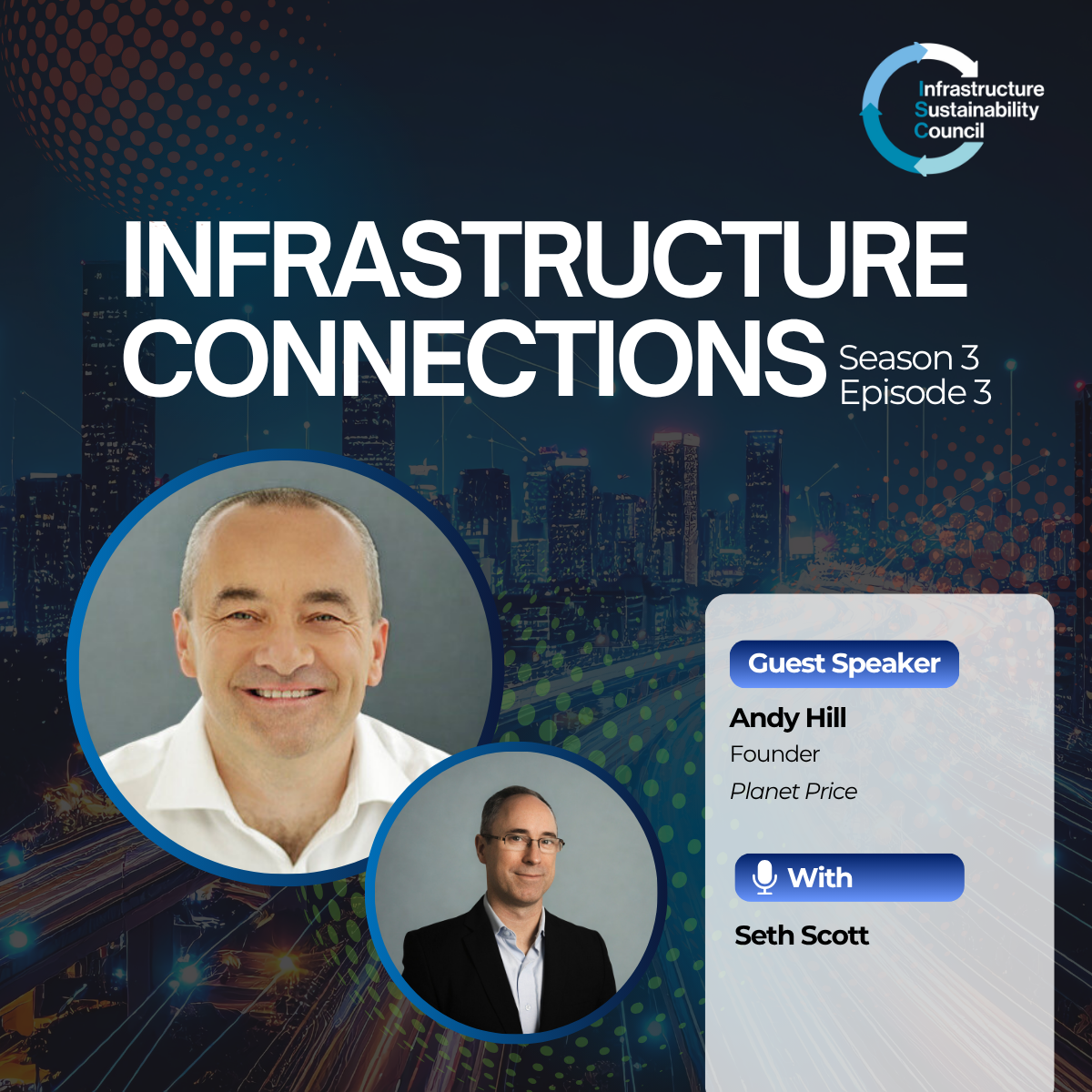
Host Seth Scott interviews Andy Hill, Founder of Planet Price Andy Hill is the Founder of Planet Price, a software company that incorporates the cost of planetary boundaries in infrastructure procurement. A mechanical engineer, Andy is also ANZ Director at Hemisphere Partners, an M&A firm. He serves on the board and is an angel investor and mentor for several startups.
Andy shows us how the so called externalities really account for 20-30% of a project’s cost, how to find those costs, and how to reduce them.
Webinar – Introducing the IS v2.2 Design & As-Built Technical Manual
In this webinar, we introduced the newly released IS v2.2 Design & As-Built Technical Manual. This session highlighted the key updates and enhancements introduced in version 2.2, designed to improve clarity, usability, and impact-driven outcomes.
We shared commentary on stakeholder feedback during the ‘on-display’ period for the Technical Manual and step through the changes made to the latest version of the manual. We would like to extend our sincere thanks to everyone who contributed feedback throughout its development. Your input has been invaluable, and we’re eager to share this latest evolution of the IS tool with the broader industry.
IS v2.2 Design & As-Built Tool – Registrations Now Open!
We’re thrilled to announce that the IS v2.2 Design & As-Built Tool is now officially live and accepting registrations!
Developed over the past 12 months through extensive industry consultation, IS v2.2 marks a major advancement in how infrastructure sustainability is measured, verified, and delivered. This release captures the collective expertise of leading industry stakeholders, and we extend our thanks to all who contributed to shaping the latest version of the tool. IS v2.2 is designed to reduce administrative burden, enhance clarity and usability, and sharpen our focus on impact-driven outcomes.
To help you navigate the updates between IS v2.1 and IS v2.2, a detailed change summary is available in the resources section below. This document outlines the updates made to the tool and associated credits and is intended to support your review of the new manual and highlight key changes that emphasise impact-driven outcomes.
In addition, we will be hosting an online webinar on Friday, 7 November at 12:00 – 1:00 PM (AEDT) to give project teams an opportunity to ask questions and present the new technical manual. Click the link below to register.
Why IS v2.2 matters:
Independent Verification – Adds credibility and confidence to your sustainability outcomes.
Global Alignment – Supports ESG reporting frameworks including ISSB, TNFD, TCFD, and more.
Unlocks Value – Drives sustainability performance beyond business as usual and reduces risk.
Supports Compliance – Aligns with ACCC guidance and ISEAL principles to avoid greenwashing.
Register your project:
Over $401 billion in infrastructure projects have already embraced verified sustainability through the IS Rating Scheme. Be part of the next wave of leaders shaping the future of infrastructure. For project registrations please click here.
Need more information?
Our team is here to help. Whether you have questions about using the IS Rating Scheme or navigating the new IS v2.2 tools, we’re ready to support you.
Feel free to reach out to us at info@iscouncil.org – we’d be happy to assist.
22 October 2025
We’re pleased to announce that the highly anticipated IS v2.2 Design & As-built Technical Manual will be released on Tuesday, 28 October. This milestone reflects our ongoing commitment to continuous improvement and has been developed in close collaboration with our stakeholders. IS v2.2 is designed to reduce administrative burden, enhance clarity and usability, and sharpen our focus on impact-driven outcomes.
Importantly, this release aligns with our newly released Strategy 2030 which calls out our intention to enhance the efficiency and impact of our IS rating tools.
Alongside the release of the manual, we will also be: 1. Sharing a change summary outlining the updates made to the tool and associated credits. This document is intended to support your review of the new manual and highlight key changes that emphasise impact-driven outcomes.
2. Publishing updated versions of the following supporting resources:
IS v2.2 & IS Essentials Design Review Report Template
IS v2.2 and IS Essentials Climate and Natural Hazard Risk Guideline
IS v2.2 and IS Essentials Energy & Carbon Guideline
IS Materials Calculator Guideline
IS v2.2 and IS Essentials Innovation Credit Guideline and Innovation Challenge Appendix
IS v2.2 and IS Essentials Cost Benefit Analysis Guideline
Submission Guidelines
Guidance for the Development of BAU Assumptions
IS Appeals Procedure
Internal Appeal Panel Terms of Reference
Technical Clarification and Credit Interpretation Request Forms
Base Case Proposal Form
Credit summary forms for all IS v2.2 credits
3. Opening registrations for IS v2.2 via our website.
Following the launch of the manual and to support project teams in the transition, we’ve scheduled a webinar on Friday, 7 November. This session will provide an overview of the changes made and offer an opportunity for attendees to ask questions about the new manual and rating process under IS v2.2. If you haven’t registered yet, you can do so by clicking here
We look forward to sharing IS v2.2 with the market. If you have any questions, please don’t hesitate to reach out to us at info@iscouncil.org
Webinar Invitation – Introducing the IS v2.2 Design & As-Built Technical Manual
We’re excited to invite you to an upcoming webinar hosted by the ISC team, where we’ll introduce the newly released IS v2.2 Design & As-Built Technical Manual. This session will highlight key updates and enhancements introduced in version 2.2, designed to improve clarity, usability, and impact-driven outcomes. It will also equip project teams with the insights they need for future IS v2.2 registrations.
We will share commentary on stakeholder feedback during the ‘on-display’ period for the Technical Manual and step through the changes made to the latest version of the manual.
To wrap up the session, we’ll host a live Q&A to address any questions you may have about IS v2.2 or the rating process in general. To register for this event, please click here.
We would like to extend our sincere thanks to everyone who contributed feedback throughout its development. Your input has been invaluable, and we’re eager to share this latest evolution of the IS tool with the broader industry.
22 September 2025
IS v2.2 Design & As-Built Technical Manual: Public Display Period Closed
Thank you to everyone who provided feedback during the public display period for the IS v2.2 Design & As-Built Technical Manual.
The display period has now closed, and we are in the process of reviewing all submissions to help shape the final version of the manual. The IS v2.2 Design & As-Built Technical Manual is planned for public release at the end of October.
We’ll share more information and updates soon—be sure to subscribe to our newsletter or visit our website to stay up to date. We greatly appreciate the time and insights contributed throughout the display period and look forward to launching the updated manual in October.
12 September 2025
Online Feedback & Q&A Session – Webinar Recording
Watch the recording of our Online feedback and Q&A Session Webinar, which was held on the 12 September.
28 August 2025
IS v2.2 Technical Manual Now on Display
The IS v2.2 Technical Manual is now available for public display until Friday, 19 September. This version reflects iterative refinements designed to reduce administrative burden, improve clarity, and enhance flexibility with the rating tool.
What’s Changed?
Credit’s Updated – 25 of 37 credits have undergone updates and refinements as part of this review. In addition, the inclusion of 13 rulings have now been incorporated into the IS v2.2 Manual.
Reduced Administrative Burden – 109 ‘Must’ statements removed and 53 Credit criteria removed to reduce administrative efforts and streamline the implementation of the tool.
Optional Criteria Introduced – To encourage best practice and give more flexibility to projects applying IS v2.2 Rating Tool.
Introduction of a Screening Process
Important Links for Stakeholder Consultation:
We encourage all stakeholders to engage with the materials and contribute feedback throughout the display period to help shape the final version of the IS v2.2 Design & As-Built Technical Manual. To support your review, please find a link below to the following resources:
Catch up on the IS v2.2 Display and Verification Update Webinar held on 28 August 2025.
26 August 2025
We’re excited to share that the IS v2.2 Design & As Built Technical Manual will be on display starting 28 August through to 19 September 2025.
This marks an important milestone in the evolution of our tools, and the display period offers a valuable opportunity for stakeholders to review the proposed amendments and provide further consultation.
Upcoming Webinar – Thursday, 28 August (11:30–12:15 PM)
To mark the occasion the ISC will be running a webinar from from 11:30 – 12:15 PM on Thursday, 28 August and if you haven’t registered for the upcoming webinar, this is your final reminder to do so via the link below. If you’re unable to attend live, we encourage you to register anyway—a recording will be sent to all registrants.
Webinar Agenda:
Overview of the IS v2.2 Technical Manual and the changes incorporated
Summary of major credit updates and stakeholder feedback
Overview of the new verification process and implementation roadmap
As part of the display period, we’ll host a online feedback and question and answer sessin to provide further support and engagement. This session is designed to:
Answer stakeholder questions and provide clarification on updates
Gather additional feedback directly from participants
We encourage all stakeholders to engage with the materials and contribute feedback throughout the display period to help shape the final version of the IS v2.2 Design & As-Built Technical Manual.
20 June 2025
As we move into the second half of the year, momentum continues across both the Verification and IS v2.1 Review workplans. Thank you to everyone who has contributed to the progress so far.
Verification Workplan Update
We’re pleased to share that the verification process is entering its finalisation phase, with verifiers now being formally assigned to projects. This marks a significant milestone in operationalising the new system and ensuring consistency across projects.
IS v2.1 Review Workplan Update
The technical manual is currently in its final stages of preparation and remains on schedule for the release of the “For Review” version in August. This edition will be released as IS v2.2 and will be made available for a four-week public consultation period, during which stakeholders are invited to review the content and provide feedback.
The manual will be accompanied by a summary of changes and guidance to support users in navigating the updates. An industry briefing is also being planned to walk through the key changes and provide clarity on implementation. Once published we’ll be actively encouraging feedback from across the sector. This is a key opportunity to ensure the final version reflects the needs and insights of our stakeholders. Additionally, approval has been granted to screen projects under $500 million for both IS v2.1 and IS v2.2, helping to streamline the verification pathway for smaller-scale projects.
What’s Next
Finalise verifier assignments
Prepare for the release of the v2.2 manual and accompanying resources
Confirm details for the upcoming industry briefing
Implement screening and support for projects under $500m
Thank you again for your continued engagement and support. Your contributions are shaping a more robust and responsive IS Rating Scheme.
20 June 2025
As we approach the mid-year mark, both the Verification and IS v2.1 Review workplans are progressing steadily, supported by strong engagement across the sector.
Verification Workplan Update
We’ve commenced trial verifications using the new process and are establishing robust systems to support its implementation moving forward. Communications have also begun with current ratings projects to assist them in transitioning to the new process.
In parallel, we’re working closely with verifiers to assess their current and future workloads, helping determine their involvement in upcoming projects.
IS v2.1 Review Workplan Update
Significant work is underway behind the scenes to consolidate the updated credits into a single, comprehensive technical manual. This manual will be made publicly available, along with a summary of changes to each credit.
Credits with substantial updates have been reviewed by a diverse group of sustainability professionals—including proponents, contractors, and consultants. All feedback is being carefully reviewed and summarised. Encouragingly, the majority of responses indicate strong support for the proposed changes. A sincere thank you to everyone who has contributed to this important review.
What’s Next
We’re currently working through the wide range of feedback received and preparing the technical manual for public display.
We’re excited to share the progress made and to mark this important milestone—stay tuned for more details soon.
Thank you once again to everyone who has contributed so far. Your input continues to shape the future of the IS Rating Scheme.
22 May 2025
As we approach the mid-year mark, both the Verification and v2.1 Review workplans continue to progress steadily, with strong engagement from across the sector.
Verification Workplan Update
We’re pleased to share that we’ve officially onboarded the first member of the IS Quality Control (IS QC) team. This is a key milestone in building the internal capability needed to support consistent and efficient verification across all projects. Additionally, roles will be filled internally and we are working with the team to move them across.
IS v2.1 Review Workplan Update
The macro review of credits continues to advance, with this month marking the second round of feedback from the Technical Working Groups. Their ongoing contributions are helping to refine and clarify the credit structure, ensuring it remains practical and relevant.
We’ve also had strong involvement from projects already using the v2.1 credits, whose insights are proving invaluable in shaping the next iteration of the tool. This feedback is being used to inform the technical manual updates.
What’s Next
We’re currently working through the best way to respond to the wide range of feedback received to date. Our goal is to ensure transparency and clarity in how feedback is addressed and incorporated.
Planning is also underway for our official launch event in August 2025. We’re excited to share with the community the advancements we have made and mark this important milestone—stay tuned for more details soon.
Thank you again to everyone who has contributed to the process so far. Your input continues to shape the future of the IS Rating Scheme.
5 May 2025
The Verification and v2.1 Review work plans have still been continuing to be developed with fantastic feedback from our stakeholders.
Verification Workplan Update
The Verification and the Base Case Proposal and Materiality Assessment Procedures have been almost finalised and can be viewed using these links below.
We have updated the Base Case Proposal form, which has received excellent feedback from a small group of stakeholders. This will be updated and shared on ISAP Resources shortly. The revised form has streamlined the requirements for the base case and will reduce the workload for this stage of the process.
IS v2.1 Review Workplan Update
The macro review of credits is well underway, with all of the credits to be reviewed and updated by the end of May. Following the credit review process, the team will be working on updating the technical manual with changes, amending the credit summary forms and scorecards. These updated resources will be shared on ISAP Resources and made available to projects.
In response to the feedback received so far, we have begun detailed credit reviews with significant help from sustainability professionals, including contractors, verifiers, and consultants experienced with the v2.1 Rating Tools.
This detailed review will be ongoing to ensure the ISC effectively responds to stakeholder feedback as it arises. Thank you to all those who provided feedback via our consultation process. The feedback gathered has been utilised to guide and inform the development of material and the steps in this work plan. We look forward to sharing further information in our next update.
10 April 2025
The Verification and v2.1 Review workplans have been progressing well and are on track for a full roll out in August 2025.
Verification Workplan Update
The Verification and the Base Case Proposal and Materiality Assessment Procedures have been reviewed by the Verifiers, this feedback is currently being reviewed and incorporated into both documents.
During the initial consultation there were some risks identified by proponents, Verifiers and contractors. Below is a high-level summary of these risks, along with the way these risks have been addressed.
1. Consistency and Efficiency in Verification
• Risk Identified: How would the proposed changes improve consistency and efficiency in the verification process?
• Response: Employing a small, internal team that works across all materiality, base case and submission verification tasks will ensure a greater level of coverage and consistency as this will be their dedicated role. As such the ISQC team will be aware of the current state of play across all projects undertaking an IS Rating. Significant investigations were conducted to ensure these measures improve quality, credibility, and efficiency.
2. Implementation Details and Clarity
• Risk Identified: Concerns about potential delays and lack of detailed information, plus transparency and clear communication of expectations and requirements.
• Response: As discussed above there is a transparent, external-facing verification procedure outlining functions and resolution pathways, currently under review which addresses all of these concerns. 3. Qualifications and Expertise of ISC Quality Controller
• Risk Identified: Concerns about the qualifications and experience of the IS Quality Controller to fulfill their role effectively.
• Response: Part of the Verification Procedure will have the required skills and experience for the Verifier and IS QC. The IS QC will be part of a team with extensive experience in infrastructure delivery, verification, and project management, ensuring they have the necessary skills, tools and support.
4. Capacity, Turnaround time and Resources to Handle Workload
• Risk Identified: Concerns about ISC’s capacity to handle the increased workload and whether sufficient resources were allocated to ensure no delays in the process.
• Response The IS QC Roles will be additional to the ISPM’s and Regional Leads. During the development phase the expected workload was forecast with the resourcing for the IS QC role planned accordingly.
5. Conflict Resolution and Process Clarity
• Risk Identified: Concerns about the conflict resolution processes if there are differences of opinion.
• Response: The Verification Procedure outlining functions and resolution pathways, accompanied by existing informal and formal appeals procedures to handle disagreements.
IS v2.1 Review Workplan Update
Each of the different options are continuing to be developed further with some key tasks getting close to completion.
The recommendation for screening of credits ($100m-$499m) has had excellent feedback and is close to being finalised.
The macro review of credits has started strongly with initial feedback on proposed changes being sought from various Technical Working Groups this week. This includes a summarised form of the credit to allow for greater clarity.
The ISC detailed review of specific credits has started with significant help from sustainability professionals, including contractors, verifiers and consultants, who have experience in using the v2.1 tool.
The feedback that we have received so far has been excellent and has helped guide the steps in the process. We look forward to sharing more information as we continue the journey.
27 March 2025 – Update
As we move further into the year there is still plenty of work being undertaken in the IS Verification and v2.1 Review workplans.
Verification Workplan Update
The Verification and the Base Case Proposal and Materiality Assessment Procedures have been drafted and are currently with the Verifiers for their consideration. Once feedback from Verifiers is received, we will update and share the procedures more broadly for further feedback. These procedures also address some of the risks and opportunities that were identified from the stakeholder engagement.
Work has also commenced on the draft job descriptions for the new IS Quality Controller roles (IS QC) that will be needed to deliver the proposed changes.
IS v2.1 Review Workplan Update
A reminder that we are still requesting feedback on the recommendations that were made in the roundtable on 7 March 2025.
The macro review of credits has commenced, and a selection of draft credit reviews will be first shared with the IS Technical Working Groups next month prior to a wider review.
Lastly the engagement and feedback that we have received so far has been excellent and has helped guide the steps in the process. We stay committed to continuous engagement with our passionate sustainability community in order to improve our Rating tools and how they can be applied broadly.
IS v2.1 Review Workplan Measures & Feedback Links
Measure 1 – Screening process for V2.1 projects between the values of $100m-$500m.
A big thank you to all that were able to join the ISC Verification & IS v2.1 Workplan Update Webinar today. It was a good opportunity to share with the industry our progress on the continuous improvement work that we have been doing.
As discussed, we will respond collectively to the questions raised in the webinar, and we are also eager to gather your feedback on the proposed improvement measures tabled today. This can be done by filling out the following forms which will be open until the end of March 2025. It is important that you include your contact information so that we can ask for clarification if required.
The webinar is available in full via the link below and in addition we have split up the sections of the webinar which address the four IS v2.1 rating tool improvement measures which we are currently seeking feedback on.
As we go into autumn the ISC is continuing to work through our plans to gather your feedback, develop and implement changes to how we do business.
Verification Review
Thank you for all of the comprehensive feedback that we received on the proposed changes to the verification process. ISC will soon respond to that feedback to our stakeholders.
V2.1 Review
Later this week, the ISC will present, and start to gather feedback on, a number of proposed changes to the v2.1 Rating Tools. . Information on ISC’s proposals will be shared through the following forums:
Webinar – Join us for a webinar on the 7th of March and hear from the team on where these workplans are up to. This session will be recorded and made available on the IS Council website following the conclusion of the online event. If you are unable to tune in live, we suggest that you still register by clicking here to ensure that you receive a copy of the recording.
Technical Working Groups – within each of the existing Technical Working Groups, the ISC will be talking about the v2.1 Workplan and recommendations developed.
At the conclusion of these events, the ISC will provide links to information on the proposed changes, as well as details for how you can provide feedback.
Note thatthe V2.1 feedback portal for detailed credit level recommendations is still open and we encourage all sustainability professionals that are familiar with our v2.1 Rating tools to contribute where possible. We will keep this feedback open until the 21st of March.
ISC is continuing to develop and refine what we are implementing to address our stakeholders concerns across our tools and processes in both our Verification workplan and our review of v2.1 Rating tools. There are a number of ways that we would like to get your involvement at the moment.
Webinar
Join us for a webinar on the 7th of March and hear from the team at the Infrastructure Sustainability Council on where these workplans are up to. This session will be recorded and made available on the IS Council website following the conclusion of the online event. If you are unable to tune in live, we suggest that you still register via the link here to ensure that you receive a copy of the recording.
Verification Proposal
We received and collated feedback from across the Ratings/verification value chain for over 10 months to enable use to develop two significant changes to the verification process that are being proposed as part of the Verification Workplan. The first round of targeted stakeholder consultation has been completed and we are now broadening the feedback opportunity to all impacted by or engaged with IS Ratings.
We apologise for the tight timeframes and if you have feedback, please complete our questionnaire below by Monday 24th February. Given the significant input into the process to-date, we hope that our framing resonates with the majority of you, albeit that we always expect there to be a divergence of views.
As part of our review of the ISv2.1 Ratings tools we have considered a significant amount of both high and detailed stakeholder feedback. We are committed to continuing on this basis and would like to invite the industry to provide detailed feedback at credit level for areas they have identified opportunities for improvement. We encourage all sustainability professionals that are familiar with our v2.1 Rating tools to contribute where possible. We will keep this feedback open until the middle of March.
IS v2.1 Design & As-Built Rating Tool – Click here to provide feedback
IS v2.1 Planning Rating Tool – Click here to provide feedback
3 February 2025 – Update
It has been a busy couple of weeks as the ISC has continued to work on both the verification workplan and the review of v2.1 plan.
As part of the verification workplan, two key recommendations have been communicated to relevant stakeholders. This consultation process will continue for several weeks and will help highlight any risks or opportunities from those recommendations. These will be carefully considered in the next step prior to the final recommendation being determined. This will also impact other actions including updating documentation and processes as part of the key outcomes.
With regards to the review of v2.1 the ISC team has undertaken a multi-criteria analysis to compare and contrast possible process improvements. This has been done to ensure that the recommended improvements are well analysed and reviewed. These recommendations are in the process of being finalised and reviewed internally. Some of the key technical stakeholder engagement will be closely focussed on projects, ISAPs and teams that have been practically involved with delivering a v2.1 Ratings.
We look forward to sharing more details and having a wider range of stakeholders involved as we continue along this improvement journey.
15 January 2025 – Update
Over the past year ISC has sought and received extensive feedback across all our activities, particularly in relation to the v2.1 Design and As-Built Rating, and our Verification processes more generally. This feedback has been collated through individual workshops, interactions with projects, annual feedback survey, high level meetings, CEO workshops and others. ISC would like to thank everyone for their time and insights. This has enabled us to consider how we are working with our stakeholders to ensure we are achieving our purpose. In response to the feedback, we have identified key areas for improvement and we have developed detailed workplans and proposals that we will be bringing to market over the coming months.
Positively, we heard that the market continues to see value in the role that the ISC and the IS Ratings tools play in driving sustainability outcomes across Australia and New Zealand. This was balanced by feedback regarding the v2.1 Rating Tool that highlighted concerns around a misalignment between the assessment of processes versus outcomes; the administrative burden associated with delivering an IS Rating, and questions about perceived value for money in application of an IS Rating. In addition, issues were raised regarding verification process and outcomes, including inconsistency of verification; extended timeframes; and inflexibility of verification approach.
In response to this feedback from our members and stakeholders, we have two key streams of work. They are:
– Updates to v2.1 Rating tool
– Verification process updates
As these streams of work progress, we will provide regular updates on outcomes through our communication channels, including ISC newsletter and direct mail. We will seek additional contributions on the implementation of the workplan items through targeted stakeholder engagement at particular project phases. The first phase of implementation stakeholder consultation will commence in February 2025.
As valued members and stakeholders of the ISC, we look forward to engaging with you collaboratively and ensuring that our tools and processes are up to date and fit for purpose.
I’m proud to share that we have officially launched Strategy 2030—a bold and future-focused roadmap shaped through deep engagement with our members and stakeholders.
Strategy 2030 builds on ISC’s proud legacy and responds to the growing urgency for infrastructure that is inclusive, resilient, and restorative. It reflects our core purpose: to enable connected infrastructure that supports people to thrive on a healthy planet.
Over the next five years, Strategy 2030 sets out key priorities for the Council, our members, and our broader community of practice:
Leveraging data that we gather through ratings to support better decision-making and policy-setting
A more tailored, strengthened member offering
Expansion into new sectors, including water and energy
Enhancing the efficiency and impact of our IS rating tools
Growing our learning community
Amplifying our advocacy efforts
Deepening partnerships with government and industry
Collaborating with the finance sector to unlock sustainable investment
While we formally launch our strategy today—and at our Brisbane event tomorrow—significant work is already underway to bring this vision to life.
Membership Offering
Earlier this year, we introduced our new membership model, designed to deliver greater value through a more tailored and responsive approach. This model reflects our commitment to meeting the diverse needs of our members—whether they’re long-standing partners or new entrants to our community. Alongside this, we launched our membership portal, a central hub where members can easily access and activate the full suite of benefits now available. From exclusive resources to enhanced engagement opportunities, the portal is designed to ensure our members can make the most of their ISC experience.
IS Ratings
On Tuesday, 28 October, we will open registrations for IS v2.2 Design & As-Built Tool and release our latest technical manual. This milestone reflects our commitment to continuous improvement. Developed in collaboration with stakeholders, IS v2.2 reduces administrative burden, improves clarity and usability, and sharpens our focus on impact-driven outcomes. Our new verification process is already in place and has received overwhelmingly positive feedback.
Data Capabilities
We are pioneering new ways to quantify financial value against outcomes achieved on IS-rated projects. A sample of some of the insights we have found with this work will be shared in our upcoming Impact Report, launching 3 November.
Training Offerings
We’ve also evolved our core learning program, IS for Professionals, to better align with learner feedback. New modules will help future ISAPs deepen their understanding of our tools and rating process. Courses will commence in November.
Strategy 2030 is a call to action—for all of us across the infrastructure ecosystem to collaborate, innovate, and lead. Together, we can shape infrastructure that truly helps communities to thrive on a healthy planet.
There is much more to come. I encourage you to stay connected and many thanks to all who have supported this next step in ISC’s evolution: we literally, could not have done it without you.
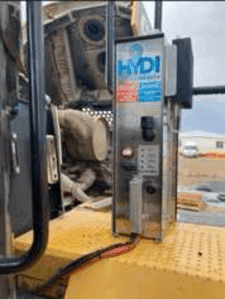
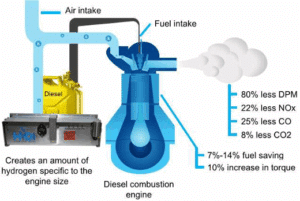
As part of the METRONET Byford Rail Extension project in Western Australia, two ISC members collaborated to find sustainable solutions that support the transition to a net zero economy. The MetCONNX Alliance (Public Transport Authority, Laing O’Rourke, Pritchard Francis Consulting and KBR) trialled a hydrogen-on-demand technology developed by HYDI, specialists in hydrogen solutions for internal combustion engines. HYDI’s compact, self-contained unit generates hydrogen from demineralised water using proton exchange membrane (PEM) cells that are injected into diesel engines to improve combustion efficiency and reduce emissions.
Unlike purpose-built hydrogen vehicles, HYDI units can be retrofitted to existing diesel-powered equipment, making them a practical and scalable solution for hard-to-abate sectors such as construction. The trial aligns with METRONET’s sustainability strategy pillars of environment, economy, and governance, and supports the broader industry transition to net zero.
Implementation and results
A HYDI unit was installed on a Plantech CAT 962 loader operating on the Byford Rail Extension. Fuel consumption data was collected before and after installation:
Pre-HYDI: 8.18 litres/hour
Post-HYDI: 6.56 litres/hour
Hours operated: 130
Diesel saved: approximately 210.6 litres
Water used: 3.5 litres of distilled mineral water
Estimated fuel efficiency improvement: approximately 19%
Operator feedback confirmed noticeable improvements in fuel efficiency. The loader has since been off-hired, and the HYDI unit will be installed on another machine to continue monitoring performance.
Impact delivered
The trial demonstrated measurable environmental, health, and financial benefits:
Environmental: Estimated diesel efficiency gains of 10–20%, with proportional reductions in CO₂e emissions
Health and safety: Reduced exposure to diesel fumes, which are linked to asthma, headaches, and lung irritation, noting that the open-air construction site naturally dissipates fumes normally.
Financial: Return on investment under two years, with a unit lifespan of approximately 20 years. The trial enhances the reputational image of MetCONNX, PTA, and METRONET as leaders in sustainable innovation
Lessons learned
HYDI units are most effective when installed on equipment with longer site durations due to installation costs
Early data suggests strong potential for broader industry adoption, particularly in sectors where electrification is not yet scalable
Monthly tracking of fuel efficiency will continue, with findings to be shared with industry to support market transformation
Looking ahead
MetCONNX believes this is a construction and Western Australian first. The team is working to verify this and explore further applications. Toolbox talks and knowledge-sharing sessions are underway to educate the workforce and supply chain, and the ISC is working to raise awareness of this technology across its network.
Boral was selected as the supply partner responsible for producing, delivering, and laying the asphalt for the runways, taxiways, and airside roads and pavements at Western Sydney International (Nancy-Bird Walton) Airport (WSI).
Working with the CPB Contractors and ACCIONA Joint Venture, our teams oversaw the surfacing works to ensure this critical infrastructure was completed to a high-quality standard, on time, on budget, and most importantly safely and sustainably. The airport, scheduled to open in 2026, will have the capacity to accommodate up to ten million passengers annually. The airport has been designed harmoniously with the natural environment and First Nations heritage to serve as a shining example of sustainable infrastructure.
As part of Boral Asphalt’s contribution to the build of WSI, the team implemented an Australian first through the extensive use of a biogenic bitumen binder on an airfield. In addition, it is the first use of biogenic binder in asphalt in permanent infrastructure in NSW.
In this Boral-led initiative, the Boral asphalt team (with technology support from PUMA) used CarbonBind bitumen in the asphalt used to construct some of the tug-loop roads around the airfield. These roads are designed to a high standard, similar to the runway, to allow them to withstand the forces associate with aircraft tugs. We placed about 5,370 tonnes.
CarbonBind bitumen uses a plant-based component to replace some of the traditional crude oil-based ingredients. The plant derived feedstock, processed locally into a biogenic bitumen component, is blended with conventional bitumen for use.
For each tonne of CarbonBind bitumen used, it permanently sequesters about 150 kg of carbon by locking it into the asphalt pavement, which in turn, can then be recycled at the end of its working life.
Recycled Asphalt Pavement (RAP) is recycled asphalt and the most reused construction material in the world. Reuse of asphalt can reduce the demand for imported bitumen and replaces new high-quality aggregate raw materials that can then be used for other projects.
Further to this, as part of the overall project. Boral asphalt offset our diesel at the asphalt plant to carbon neutral and trialled a solar hybrid generator to power our site compound.
Outcomes:
Boral used Carbonbind in the 5,370t tonnes of asphalt supplied to construct some of the tug-loop roads around the airfield during the 2024 financial year (June 2023-July 2024).
Within the 5,370 tonnes, approximately 300 tonnes of CarbonBind bitumen was used.
For each tonne of CarbonBind bitumen, about 150kg of carbon is permanently sequested. For the project at WSI, approximately 45,000 kg of carbon has been sequestered as a result of Boral’s use of the CarbonBind bitumen technology in the asphalt supplied to construct the access roads at WSI.
Boral’s use of this technology and its contribution to the overall sustainability of the WSI project has been communicated to CPB Contractors / ACCIONA (CPBACC) Joint Venture, who in turn sought validation via the Australian Flexible Pavement Association, who confirmed Boral’s use of CarbonBind bitumen was:
• The first airport application
• The first permanent infrastructure application in NSW
Our broader work as part of the overall project, to offset our diesel at the asphalt plant to carbon neutral and trial a solar hybrid generator to power our site compound, resulted in a saving of 5.1 million kg of carbon and recognition from our client.
Working with the CPBACC Joint Venture (CPBACCJV), Boral has been progressing plans to have a sign installed at WSI outlining the sustainability aspects and explicitly, the use of the biogenic bitumen, in the construction of the roads.
Separately, Boral has worked collaboratively to gather validation and endorsement documentation about the initiative to support CPBACCJV in its application for innovation certification from the Infrastructure Sustainability Council (ISC). The biogenic bitumen initiative has also been communicated internally to Boral employees via internal communication channels.
It is anticipated this initiative will feature in future WSI Airport sustainability reporting.
Leaving a Legacy:
The Australian public have a more sustainable piece of landmark infrastructure as a result of the use and application of biogenic bitumen in the asphalt supplied to build the WSI access roads.
About 45,000 kg of carbon have been permanently sequestered through Boral’s use of CarbonBind bitumen.
The use of biogenic bitumen has helped WSI contribute to the following United Nations Sustainable Development Goals:
Goal 9: Industry, innovation and infrastructure
Boral’s application of CarbonBind technology promotes how industry can facilitate more sustainable development and infrastructure that supports economic development.
Goal 11: Sustainable cities and communities
Through this initiative, Boral has helped to deliver a solution that provides a more sustainable transport system for the Australian public. It has enhanced sustainable urbanisation and in the application of biogenic bitumen, also delivered against the Goal 11 target of reducing the adverse per capita environmental impact of cities.
Goal 13: Climate action
Boral’s use of CarbonBind contributes towards Goal 13’s aim to adapt to climate change and invest in low-carbon development.
Goal 15: Life on land
The use of biogenic bitumen highlights the importance of sustainable management of forests to support this form of sustainable development, along with the benefits that arise from organic resources.
The Office of Major Transport Infrastructure Delivery (OMTID) brings together the best minds from both Main Roads WA and the Public Transport Authority (PTA). It was established in May 2020 as a centre of excellence for major transport project delivery in Western Australia (WA).
OMTID has championed sustainability excellence in our projects. Not only have multiple projects sought Infrastructure Sustainability (IS) and Green Star ratings, we have excelled in our certification achievements. Both the Tonkin Gap Project (road) and METRONET Morley-Ellenbrook Line (rail) projects were some of the first in the country to use a hybrid approach, targeting credits from both v2.0 and v2.1 of the IS Design and As-Built (D&AB) Rating. Both projects have achieved Gold Design IS Ratings, surpassing contractual requirements. We are also the earliest adopters in Australia of v2.1 of the IS D&AB rating on the METRONET Armadale Level Crossing Removal, Mandurah Estuary Bridge Duplication and METRONET Byford Extension Line projects.
We were recently awarded a 6 Star (World Leadership) Green Star rating on the Ellenbrook Station (as part of the Morley-Ellenbrook Line) with 89 points – the highest score to date for an Australian railway station. These outstanding achievements are only possible through OMTID’s dedication and leadership. Our IS and Green Star results are testament to the exemplary collaboration that OMTID has fostered.
OMTID is also a leading contributor to industry sustainability. We facilitated two pilot trials of IS Essentials, with our feedback directly leading to key changes to the IS Essential Technical Manual released in 2024. This includes the reintroduction of the ‘Pla-2’ credit, which hadn’t been considered material before our feedback.
While our projects have been successful, a gap remained. We had identified plenty of initiatives that would increase sustainable outcomes but found ourselves unable to drive them all. OMTID also frequently inherits IS Planning ratings which bring lofty plans that quickly become unstuck in the realities of delivery. Our sustainability ambitions were tempered with limited people resources and ever-present program budgetary and time constraints. We identified the need for a significant cultural shift to truly embed sustainability and democratise its implementation. OMTID needed to evolve to become more targeted in our efforts.
This realisation led OMTID to shift gears in the past year. We have moved from collaboration to transformation. As a result, OMTID also became a catalyst for external transformation.
Our internal transformation has seen OMTID develop an Outcomes-Led Prioritisation (OLP) approach. OLP was inspired by the IS approach to have a materiality assessment as a compulsory first step to identify the most important sustainability issues for projects. To create cultural change, we have adapted the IS philosophy at an organisational level. Practically, this means we make decisions based on where our inputs will have the most impactful outcomes.
The transformation of our internal approach evoked an unforeseen level of external interest. Our approach is now leveraged by the broader Transport Portfolio, and consequently provides industry direction on where their efforts should be focused.
Outcomes:
OLP has transformed our approach to achieving project and organisational outcomes.
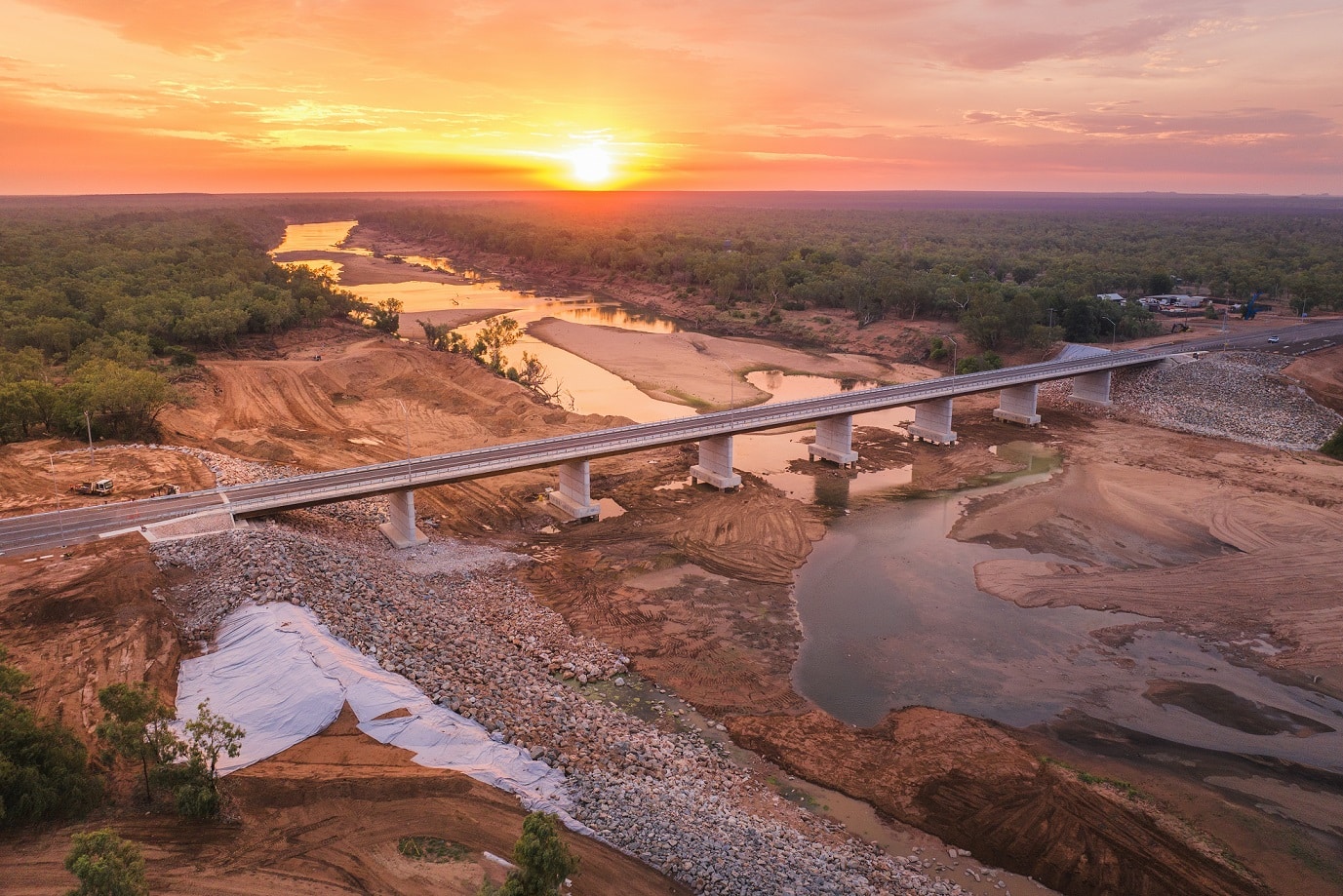
Cyclone Ellie caused extensive flooding in remote WA Kimberley Region in December 2022. The Fitzroy River bridge was damaged beyond repair, cutting off access to entire communities. OMTID was tasked with expediting the bridge replacement. Due to the time constraints, an IS rating was not possible. However, employing OLP identified social and resilience outcomes were key, concentrating our sustainability efforts. Not only was the project completed 6 months ahead of schedule, it also achieved an exceptional Aboriginal Participation Rate of 23%. Also developing a Climate Risk Roadmap for use by future projects in the region.
The success of the Outcomes-Led Prioritisation approach on an individual project resulted in its adoption across the organisation. Here, it was identified that Resource Efficiency and Materials Replacement (reused/recycled materials) is the highest priority for OMTID and the WA Transport Portfolio. We also identified that LifeCycle Assessments are key to whole-of-life outcomes.
Our first subsequent step was ensuring we had personnel dedicated to Resource Efficiency. As a result, OMTID create a new role – not an easy feat within government. The role of ‘Project Manager – Innovation’ focusses on innovation to drive resource efficiency. Importantly, OMTID positioned the role across the Transport Portfolio. Within four months of commencement, our new recruit has become the key subject matter interface across the Portfolio. OMTID’s OLP resulted in a resource that the Portfolio didn’t know it needed, but on which it is now reliant.
Our second step was optimising our people’s efforts to maximise resource efficiency outcomes. As the delivery agency, OMTID is under pressure from various stakeholders to achieve exceptional uptakes of a long list of replacement materials. We knew we couldn’t do it all – we needed to prioritise.
We used OLP to develop an innovative matrix to communicate the multi-dimensional facets of resource efficiency. It uses a traffic light system to rate sustainable materials (e.g. recycled plastic pipes) against 17 enablers categorised into Technical, Regulatory, Market and Cultural. For example, Regulatory Enablers include Policies, Specifications and Legislation.
The result is a matrix with a series of 17 traffic lights for each material, illustrating its implementation readiness. A series of mostly green means substantial outcomes are possible with limited effort. Many reds mean a lot of effort is required, with no guarantee of outcomes. The matrix clearly shows where efforts will be rewarded most. This resulted in a focus on the use of Crushed Recycled Concrete in carparks. Our focus has resulted in 17,000t laid to date and 10,000t planned for use on active projects.
Overall, our OLP had led to three outcomes – success on a project, resource efficiency identified as our organisational priority, and a matrix to prioritise OMTID efforts. And then, we had a remarkable idea. We combined all three.
During this time, the procurement for the $1billion Tonkin Highway Extension Project was under development. Due to its size, its impact will significantly influence OMTID’s overall resource efficiency performance, with the potential to spark a paradigm shift in the WA market.
OMTID prioritised the project for its ability to address its resource efficiency organisational priority, the project itself prioritised resource efficiency, and we used the matrix to further focus efforts to specific materials. OMTID reallocated resources to develop a bespoke procurement methodology, centred on a novel Replacement Materials Strategy with our materials matrix at its core. This will result in significant quantities of replacement materials, including 700,000t of spoil and 56,000t of ballast being reused instead of being sent to landfill. Our efforts will ensure that this one project delivers magnified outcomes and market transformation, which would not have been possible without OLP. This outcome was the overall winner at the 2024 WasteSorted Awards, recognising outstanding circular economy achievements.
We didn’t anticipate what happened next. Because our matrix shows enablers are amber or red, it highlights where further work is needed. Importantly, it also shows that the responsibility for maximising resource efficiency sits with many varied parties. It has therefore been adopted by the WA Transport Portfolio as a vital tool for collaboration. No longer is resource efficiency left up to delivery agencies – the matrix provides a clear visual so everyone pulls in the same direction.
Primary Beneficiaries:
OMTID’s Outcomes-Led Prioritisation approach benefits multiple parties in three similar ways: Priority, Clarity and Reward. It determines Priority to prevent teams/individuals being overwhelmed, provides Clarity on expectations, and Rewards effort with outcomes.
On projects, it Prioritises the overarching objectives of a project (e.g. resource efficiency) as well as setting clear actions for projects to support the objectives (e.g. which materials to target). This clarity and prioritisation set the client, contractor, designers and suppliers up for success because they can plan, budget and deliver appropriately. Importantly, a client-led focus on future priorities drives cultural change across industry.
Aligning focuses and resources results in greater Rewards for all stakeholders. For example, marine impacts were prioritised on the Mandurah Estuary Bridge which led to the engagement of marine observers and a collaborative research project with Murdoch University, focussing on the protection of dolphins. In this case, dolphins are also benefitting from our OLP!
Our approach has led to transformation at an OMTID organisational level. Amongst competing demands, we are now able to prioritise efforts and provide clear expectations to internal teams. We have already seen the rewards with the creation of a new innovation role. This role provides OMTID projects with dedicated support and drives cultural change – employees, project teams and industry see that OMTID takes resource efficiency seriously enough to create a dedicated role.
Our approach has benefitted the WA Transport Portfolio and WA market. Our materials matrix prioritises materials and actions across industry and gives clarity on expectations. It makes it clear that collaboration is a fundamental requirement. In time, this collaborative focussed effort will see more amber and red traffic lights change to green. This will have cumulative effects in driving true market transformation to improve resource efficiency across the WA and Australian markets. We have already seen the uptake of crumb rubber increase from 0t in 2022/23, to 6000t in 2023/2024.
Importantly, our approach has also benefited the individual employees in our projects and organisations. Sustainability’s broad nature and rapidly emerging requirements often leave organisations and individuals grappling with unclear goals, overwhelmed with competing demands. By prioritising based on outcomes, we ensure that individual efforts achieve outcomes, and that they also see the rewards for their efforts.
Leaving a Legacy:
The Outcomes-Led Prioritisation approach has driven internal transformation and has been the catalyst for rapid external industry transformation.
Our legacy is the OLP approach we have established, which we will adopt on all future projects and in our industry engagement. As a major client leading the delivery of a large suite of complex transport infrastructure projects, this approach will leave a legacy in the market.
In terms of the UN SDG’s, OMTID’s Outcomes-Led Prioritisation approach aligns with several goals and targets.
“UN SDG-12. Ensure sustainable consumption and production patterns
Target 12.2 by 2030 achieve sustainable management and efficient use of natural resources”.
The prioritisation and clarity that OLP provides ensures that OMTID, our projects and industry are able to efficiently focus efforts to where to most efficiently use natural resources. In line with IS rating schemes, all our projects now require life cycle assessments and multi-criteria analyses for significant decisions to ensure we achieve desired outcomes.
“Target 12.7 promote public procurement practices that are sustainable in accordance with national policies and priorities”
The OLP impacts our procurement philosophy. Tonkin Highway Extension has employed ambitious public procurement practices aligned with federal and state priorities. OMTID will build on the lessons learned for this procurement to benefit our increasingly ambitious program of projects.
“UN SDG-13. Take urgent action to combat climate change and its impacts
Target 13.2 integrate climate change measures into national policies, strategies, and planning”
The OLP focuses on outcomes, and embeds this priority early in the project planning phase to ensure that objectives are met. OLP directly led to the Fitzroy Project focussing on social and resilience outcomes. As a result, the new bridge is six times stronger than the old bridge. A climate risk assessment and climate risk road map were undertaken on the project with the aim of benefiting the wider Kimberley region. Future projects and teams can utilise this road map to implement mitigation strategy methodologies.
This has left a legacy of a physically resilient asset for generations to come, a foundational roadmap for other projects and has supported local First-nations communities and business.
“UN SDG-17. Strengthen the means of implementation and revitalize the global partnership for sustainable development
Target 17.17 encourage and promote effective public, public- private, and civil society partnerships, building on the experience and resourcing strategies of partnerships
The OLP has facilitated effective partnerships by prioritising and providing clarity on goals and objectives. It has resulted in the materials matrix, which ensures that different entities collaborate for resource efficiency. As a result, OMTID collaborated with the designers, contractors, suppliers, as well as specification and asset owners to change specifications and contractual requirements to maximise uptake of replacement materials.
Previously, noise walls made from recycled plastic were not allowed in the rail network. After focussing our efforts and working with stakeholders, these noise walls are now type approved for installation in our projects. The relevant specifications and maintenance documentation are being updated to ensure their use becomes business-as-usual. OMTID will replicate this process with other materials and innovative products, leaving a lasting legacy in how we enable industry innovation and transformation.
UN SDG 17 aligns with the primary legacy of OLP, which has shown that Outcomes-Led prioritisation can align the entire industry and partners towards the same goals. The OLP has been the catalyst for all agencies in the Transport Portfolio to work together. This ethos has shown to increase how we can now allocate resources and efforts, as well as fostering a genuinely collaborative approach that benefits all.
In response to the urgent need for Scope 3 decarbonisation within construction and infrastructure, Arup has taken a leading role in addressing one of the most challenging contributors to greenhouse gas emissions – concrete. Concrete accounts for approximately 9% of global emissions within the 40% contribution the construction industry makes globally. It is key to creating and maintaining Australia’s infrastructure due to its unique strength and potential 100-year design life. Making cement also requires quarrying limestone, transporting it, and heating it to extreme temperatures. The carbon-intensive nature of its primary binder, cement, necessitates innovative approaches to reduce emissions without compromising the material’s inherent strength and durability. Yet for organisations, it is the hardest contributor to their carbon footprint to abate.
At Arup, we’ve focused on developing sustainable alternatives to traditional concrete by replacing cement with locally sourced, low-carbon materials. These innovations are not just theoretical but actively implemented in major infrastructure projects across Australia. We collaborate closely with materials suppliers, road authorities, project delivery authorities, and academics to re-design supply chains, enabling the widespread adoption of sustainable concrete. By leveraging our position at the intersection of research, standards setting, and project delivery, we ensure that these alternative materials are not only researched and developed but also put into practice on live projects.
One of the key strategies we’ve employed is substituting cement with waste products such as soft plastics, demolished waste, slag from steelmaking, stockpiled clay from quarrying, and by-products from excavated soil. These materials offer significant greenhouse gas (GHG) reductions – up to 60-80% compared to Ordinary Portland Cement. As Australia transitions to renewable electricity, traditional substitutes like coal ash are becoming less available, making these innovations even more critical.
Arup’s unique position allows us to catalyse industry-wide change. Arup adopts a collaborative approach, working closely with the supply chain, government agencies, design teams and project teams to establish a framework to unite and coordinate our initiative more efficiently. We harnessed our in-house research capabilities, strong links to universities and academia, and technical expertise to drive forward sustainable concrete solutions. With this vantage point we convened the right stakeholders so that alternative concrete is not simply theorised, but is delivered in major infrastructure projects, making a tangible, immediate impact on emissions reduction. These innovative materials are already being used in approximately AUD$5 billion worth of Australian infrastructure projects. This demonstrates that sustainable concrete is not merely a concept but a viable, scalable solution that can drive significant reductions in carbon emissions.
Outcomes:
Arup’s pioneering efforts in sustainable concrete have yielded significant outcomes across multiple dimensions, impacting not only the projects directly involved but also influencing broader industry practices and regulatory frameworks.
To date, Arup has successfully facilitated the use of sustainable concrete on nine major infrastructure projects across Australia, with a combined construction value exceeding AUD $5 billion. These projects have included various forms of sustainable concrete, incorporating high levels of supplementary cementitious materials, recycled soft plastics, and recycled concrete aggregates.
The impact of these innovations on greenhouse gas (GHG) emissions is substantial. By achieving a 50% reduction in cement usage, Arup has been able to reduce GHG emissions by approximately 30% across these projects. In addition to emissions reductions, our sustainable concrete initiatives have also assisted resource use reduction. Approximately 200-400 kg of landfill material were re-utilised and sequestered per cubic meter of concrete, further enhancing the sustainability profile of the projects. Through the delivered 50% cement reduction, 10-20% were from recycled materials, reducing the demand for virgin resources, and contributing to a more circular economy. One standout example is within the Level Crossing Removal Program in Victoria, where 60,351 tonnes of concrete were used, resulting in emissions savings of 1,935 tonnes of CO₂ equivalent.
The outcomes of Arup’s sustainable concrete innovations extend beyond environmental impact; they also create new sources of business value for the company itself. The introduction of sustainable concrete as a new product has strengthened Arup’s corporate portfolio, enhanced brand equity and loyalty, and allowed penetration into new markets. As clients increasingly seek to achieve their emissions reduction targets, Arup’s ability to offer tangible emissions reductions and cost savings provides a competitive advantage, positively influencing both revenue and cost structures. With government bodies like Infrastructure Australia and Infrastructure NSW recommending carbon valuations of $123 per tonne in business cases, Arup’s innovations are well-positioned to drive financial value by aligning with these emerging economic drivers.
In this respect, Arup’s innovation has also catalysed change across its ecosystem. Clients now have heightened expectations and are increasingly demanding sustainable alternatives in their projects. This shift has prompted at least six different cement/concrete suppliers (Alex Fraser, Boral, Delta Group, Hanson, Holcim, and Renex) to rethink their approaches to concrete. For instance, Boral has begun promoting its reduced carbon concrete, while Alex Fraser emphasises its contributions to the circular economy.
Arup’s pioneering approach positions us as a leader in decarbonising concrete on major Australian infrastructure projects. Our influence extends to regulatory frameworks, standards and specifications setting as well as implementation frameworks. Arup has been actively involved in concrete standard-setting for projects including the Western Program Alliance, Waurn Ponds Duplication, and through collaborations with Austroads, NSW DCCEEW, and the ACT Government. With Infrastructure Australia forecasting a 5-year pipeline of public infrastructure projects valued at $237 billion, and the potential for 27% of conventional materials used in roads to be replaced with recycled materials, Arup’s innovations are poised to scale rapidly, influencing both industry practices and regulatory frameworks.
To date, our sustainable concrete has been used and is proposed to be used in numerous major infrastructure projects, including:
In progress:
Victorian Level crossing removals with Western Program Alliance (WPA), Mt Derrimut Road, Old Geelong Road, Werribee Street, $589.5M
South Geelong to Waurn Ponds Duplication, Victoria $750M
Ovingham, South Australia level crossing removal, $196M
South Australia Tram Grade Separation Projects, $400M
Operations and Maintenance (SSTOM) package, $3.83B
Proposed:
Suburban Rail Loop Work Package D
Primary Beneficiaries:
Arup’s clients, including public and private infrastructure developers, have benefited from our first mover advantage in sustainable concrete. In the low-carbon economy, our extensively tested sustainable concrete innovations will enable the continued development and maintenance of social infrastructure such as rural and regional roads and bridges, offices, hospitals, water pipelines, and more. Such infrastructure is a foundation for economic productivity and far-reaching impacts including providing equitable access to jobs, services and networks that support quality of life and the wellbeing of communities.
At least 9 government agencies have directly benefited from Arup’s innovations in sustainable concrete. These agencies including Greater Metropolitan Cemeteries Trust, and the NSW Department of Climate Change Energy the Environment and Water (DCCEEW), have engaged Arup to develop and implement low carbon emissions materials use specifications and policies. The initiative has had a profound impact on the construction industry, particularly in creating and supporting new supply chains. To date, 25 organisations and circa 200 jobs have been created, opening a new supply chain to support its implementation on $5 billion of infrastructure projects. Suppliers such as Hanson, Holcim, and Alex Frazer have rethought their approach to concrete, incorporating sustainable practices into their operations. This shift is fostering a greener economy, reducing GHG emissions, and encouraging waste reduction throughout the industry.
Arup has partnered with leading academic institutions, including the University of Melbourne, RMIT, Victoria University, and Deakin University, to advance research and development in sustainable concrete. These collaborations not only enhance the technical knowledge base but also provide practical applications for world class research. Through collaborations with organisations such as MECLA and Standards Australia and providing guidance to government bodies such as the Department of Transport and Planning Victoria, Arup has played a key role in setting new benchmarks for sustainable concrete. This leadership ensures that the benefits of sustainable concrete are not limited to individual projects but are embedded within industry wide practices, driving broad, long-term environmental and economic benefits. We are currently conducting pilots with the Western Program Alliance and have a Memoranda of Understanding (MOUs) in place with another major infrastructure delivery agency. We also have a MOU in place with major concrete suppliers including Hanson, Holcim, and universities such as RMIT and the University of Melbourne. These partnerships are valued at over half a million dollars.
Leaving a Legacy:
Arup’s sustainable concrete innovations have contributed to the UNSDGs while reshaping the future of infrastructure development in Australia and beyond. The initiative directly aligns with UNSDG 9 (Industry, Innovation, and Infrastructure), as Arup’s work in sustainable concrete embodies commitment to building resilient infrastructure, promoting sustainable industrialisation, and fostering innovation. Arup is also driving transformation by developing and implementing alternative materials that reduce cement usage by up to 80% and incorporating up to 50% recycled content. This innovation not only addresses the immediate need for more sustainable materials but also sets a new standard for the industry, ensuring that infrastructure projects are both environmentally responsible and economically viable. The anticipated $200 billion, 5-year infrastructure pipeline will benefit from these advancements.
Moreover, Arup’s sustainable concrete initiative contributes significantly to UNSDG 11 (Sustainable Cities and Communities). The use of sustainable concrete is a crucial element in making cities more inclusive, safe, resilient, and sustainable. Arup’s innovation ensures essential infrastructure (roads, bridges, hospitals, and water pipelines) can be developed with a significantly reduced environmental footprint. By targeting a 70% reduction in GHG emissions from concrete elements across all Australian projects by 2035, Arup is actively contributing to the creation of sustainable cities that are better prepared to face the challenges of climate change in the present and near future. This work enhances the sustainability of urban environments but also promotes the wellbeing and quality of life for communities and Australians.
Arup’s approach also aligns with UNSDG 12 (Responsible Consumption and Production). By integrating waste materials such as slag, ash, and soft plastics into concrete production, Arup is not only reducing reliance on virgin resources but also contributing to significant waste reduction – ensuring sustainable consumption and production patterns. This approach demonstrates circular economy, minimising environmental impact through re-using and recycling materials. Furthermore, Arup’s collaboration with government agencies to develop low-carbon materials specifications and policies is fostering public-private partnerships that are essential for scaling these sustainable practices across the industry.
The success of this initiative is underpinned by strong partnerships, a key component of UNSDG 17 (Partnerships for the Goals). Arup’s sustainable concrete innovation received support by universities, suppliers, public and private infrastructure clients, road authorities, and industry associations. Arup has created a collaborative ecosystem that accelerates the adoption of sustainable concrete. These partnerships enhance policy consistency for sustainable development, ensuring that these innovations pioneered by Arup are integrated into broader industry practices.
In addition, Arup’s innovation in sustainable concrete also supports UNSDG 8 (Decent Work and Economic Growth). By fostering a market for low carbon materials, Arup is helping to create jobs and economic opportunities while ensuring that infrastructure development is aligned with the principles of sustainability. The creation of new supply chains and the involvement of 25 organisations and 200 jobs in projects is driving economic activity. Scaling is also vital for meeting the industry’s broader purpose of delivering innovative, sustainable, and socially beneficial infrastructure.
The reduction of upfront embodied carbon emissions through Arup’s innovative concrete applications embeds a lasting legacy into our infrastructure’s design life, as the materials, in most cases, cannot be altered once the structure is built. The legacy of Arup’s sustainable concrete initiative extends beyond immediate environmental benefits. It highlights a shift in perspective of sustainability in the infrastructure industry, where sustainability is no longer a secondary consideration but a core principle to be considered in all stages of a project. This is reflected in continual changes to government infrastructure standards and the adoption of greener supply chains. As Arup continues to scale this initiative, the long-term impact on GHG emissions, resource use, and economic growth will be exponential.
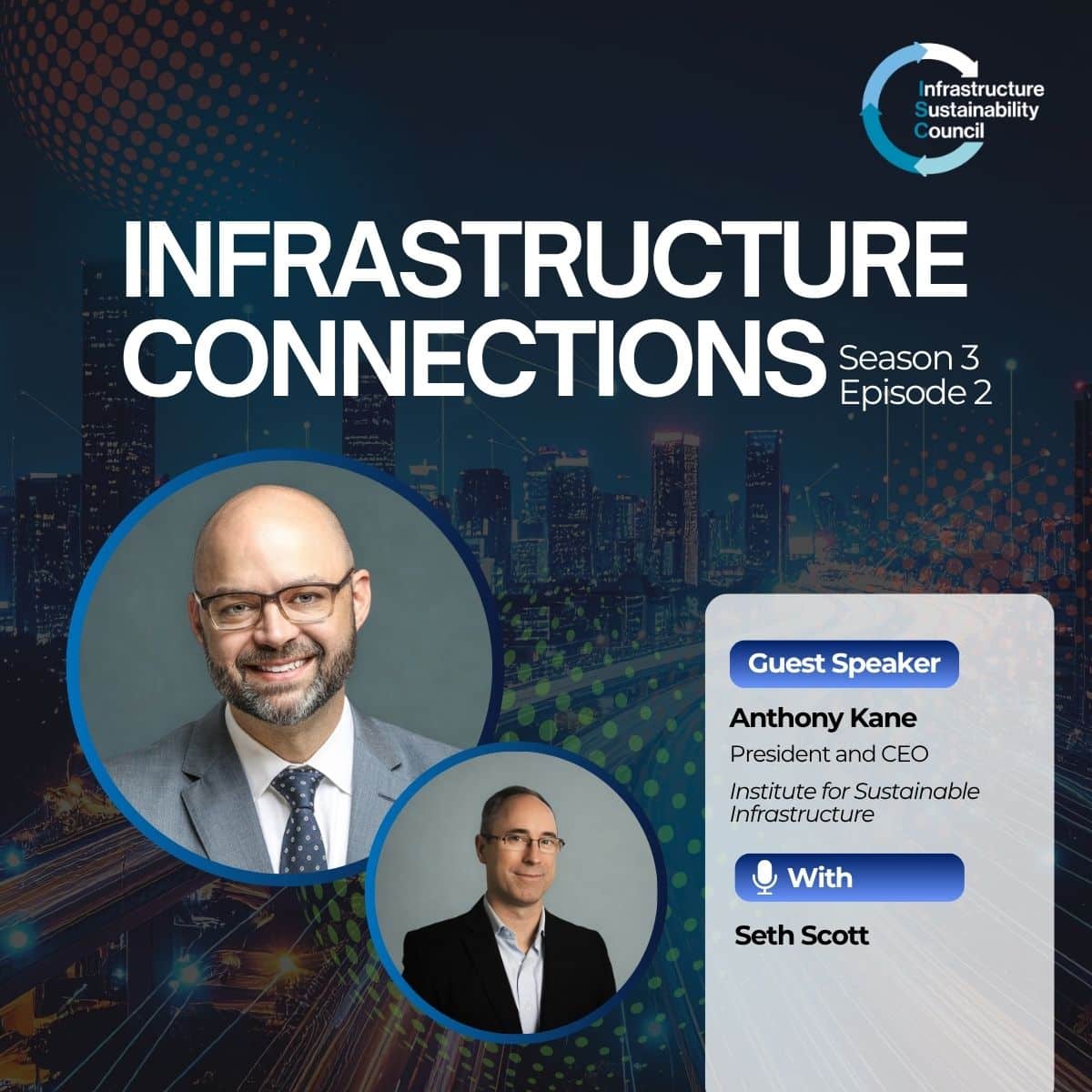
Host Seth Scott interviews Anthony Kane, President and CEO of Assistant Professor of Institute for Sustainable Infrastructure.
Anthony Kane is President & CEO of the Institute for Sustainable Infrastructure (ISI), a Washington, DC-based nonprofit which facilitates the Envision Sustainable Infrastructure Framework. Anthony also serves as a commissioner on the DC Commission on Climate Change and Resiliency.
Envision is a rating system very similar to the IS Rating, and we often collaborate. In this episode, we’re exploring how the Envision sustainability rating works in countries as diverse as the US, Canada, Columbia, Guatemala, China, and even Ethiopia.
Host Seth Scott interviews Cailin Slattery, Assistant Professor of Economics at the University of California, Berkeley Haas School of Business. Cailin brings us her findings from the paper “State Capacity and Infrastructure Costs” (co-authored with Yale Law School Professor Zachary Liscow and Columbia University’s William Nober). Key findings of the report:
👉 One addtional transport employee per 1,000 residents is correlated with 26% lower costs at the project level.
👉 Experience engineers and professionals in the upper 75th percentile are associate dwith 14% rductions in project-level costs.
👉 A single high-quality engineer can save a project up to $750,000 a year
👉 The departure of an experienced engineer can result in cost increases equal to six times their salary. This is equally true if they leave for retirement, the private sector, or an overseas position.
👉 For all these reasons, proponents should be willing to pay up high-quality engineers up to $300,000 per year, well over twice the industry average, to reain that knowledge in house, in the pipeline, and available to the next generation of professionals.
⭐ Links to some of the resources mentioned in the podcast: