4 - 2026 - ISCouncil

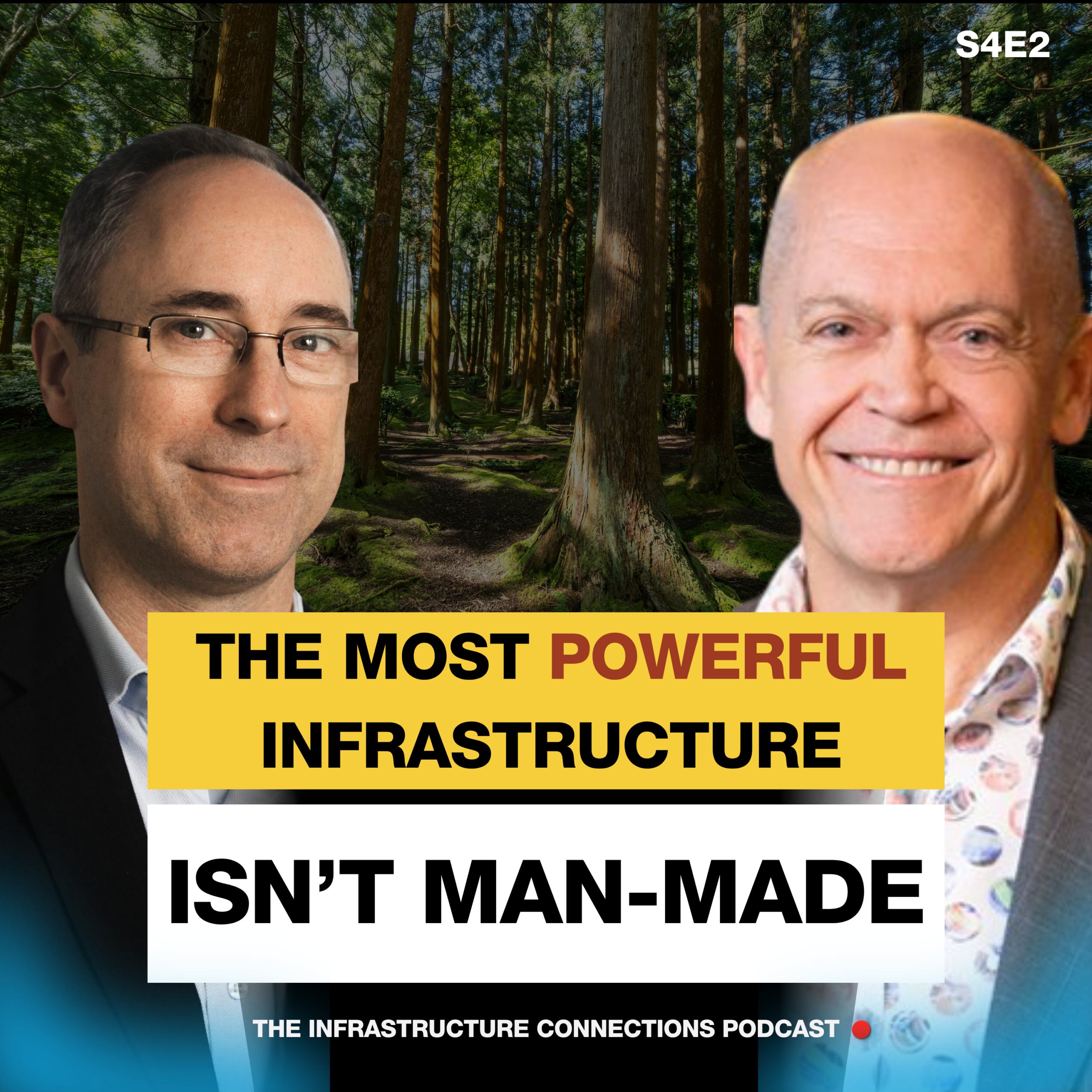
S4E2 – From Grey to Green: Rethinking Infrastructure w/ David Carter

Description:

As climate pressures intensify, the way we define infrastructure is being challenged. Increasingly, attention is turning to the role of natural systems—from wetlands and forests to rivers and marine environments—as essential components of resilient infrastructure.

In this episode of Infrastructure Connections, David Carter, Executive Chair at Beca and Guardian of the Aotearoa Circle, shares insights from New Zealand’s Natural Infrastructure Plan and the growing movement to integrate nature into infrastructure planning from the outset.

Drawing on practical examples, the conversation explores how nature-based approaches can complement engineered systems, deliver long-term economic value, and support the regeneration of ecosystems.

Rather than focusing solely on conservation, this episode examines a broader shift toward regeneration—and what it means for communities, economies, and the future of infrastructure.
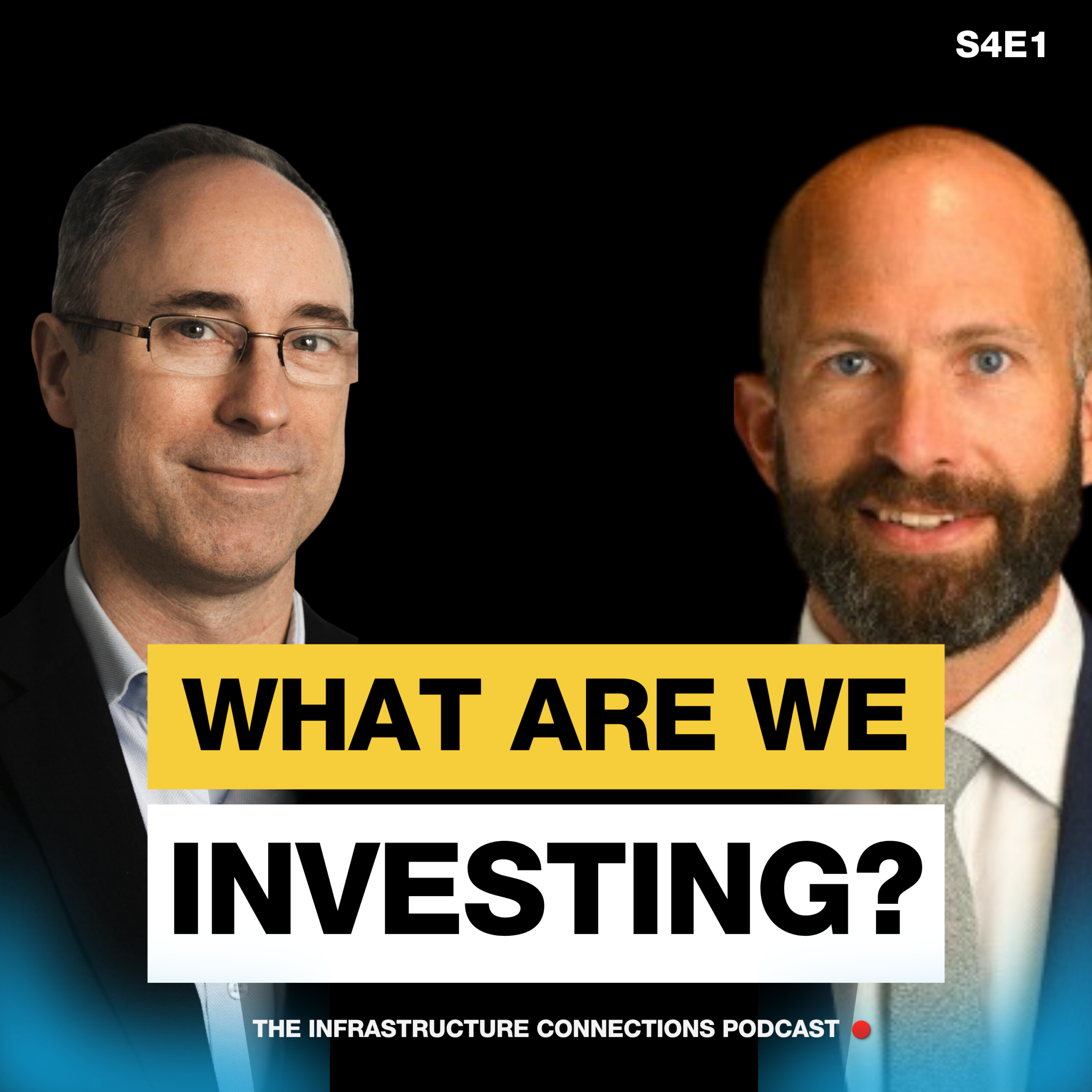
 

S4E1 – How much does infrastructure cost and how much are we willing to spend? w/ Geoff Cooper

Description:

How much does infrastructure cost?   

We spoke with Geoff Cooper from the New Zealand Infrastructure Commission, Te Waihanga about their National Infrastructure Plan to find out.   

We learned some interesting things.  

New Zealand spends more on infrastructure than most OECD countries. The infrastructure spend averages 5.6%, swinging between 5% to 7%.  

Renewals run to 60 cents on the dollar.   

Right now, with aging infrastructure, maintenance and renewals are the megaproject New Zealand can afford.  

Rather than just look at what we want or need, the National Infrastructure Plan dug through the past 100 years to determine what we historically feel comfortable spending. We have far more projects we want than money we want to spend.   

As governments change and infrastructure priorities shift with them, everyone is looking for certainty. There is more certainty than we’d like to admit. “Nothing is more certain than maintenance and renewals.”  

The aging population is equally certain. This changes our infrastructure needs dramatically, from shrinking cities to reduced emphasis on land transport as commuter numbers drop, lower school enrollment, and higher health care needs.  

Then there are the major shift happening that we need to recognize Decarbonization means a renewed investment in grid infrastructure and generation.   Higher fuel prices mean higher prices for city centre development and falling values for developments outside the city centre.   

Click the link to read the National Infrastructure Plan for fascinating insight on where we’re headed: https://tewaihanga.govt.nz/national-i…