Reshma vallabhaneni - ISCouncil

Ratings Case Study Webinar 1

In this webinar you will  hear from project teams across Australia and New Zealand as they share case studies and key learnings when undergoing an infrastructure sustainability rating.
This session features –
Takitimu North Link Project 
Project team from Aotearoa New Zealand will discuss:
– What makes collaboration challenging with Tauranga hapū
– Pre-tender work done with Te Paerangi
– Construction based initiatives
– Success stories so far
– Ongoing legacy
Cairns Southern Access Corridor Stage 3: Edmonton to Gordonvale Project
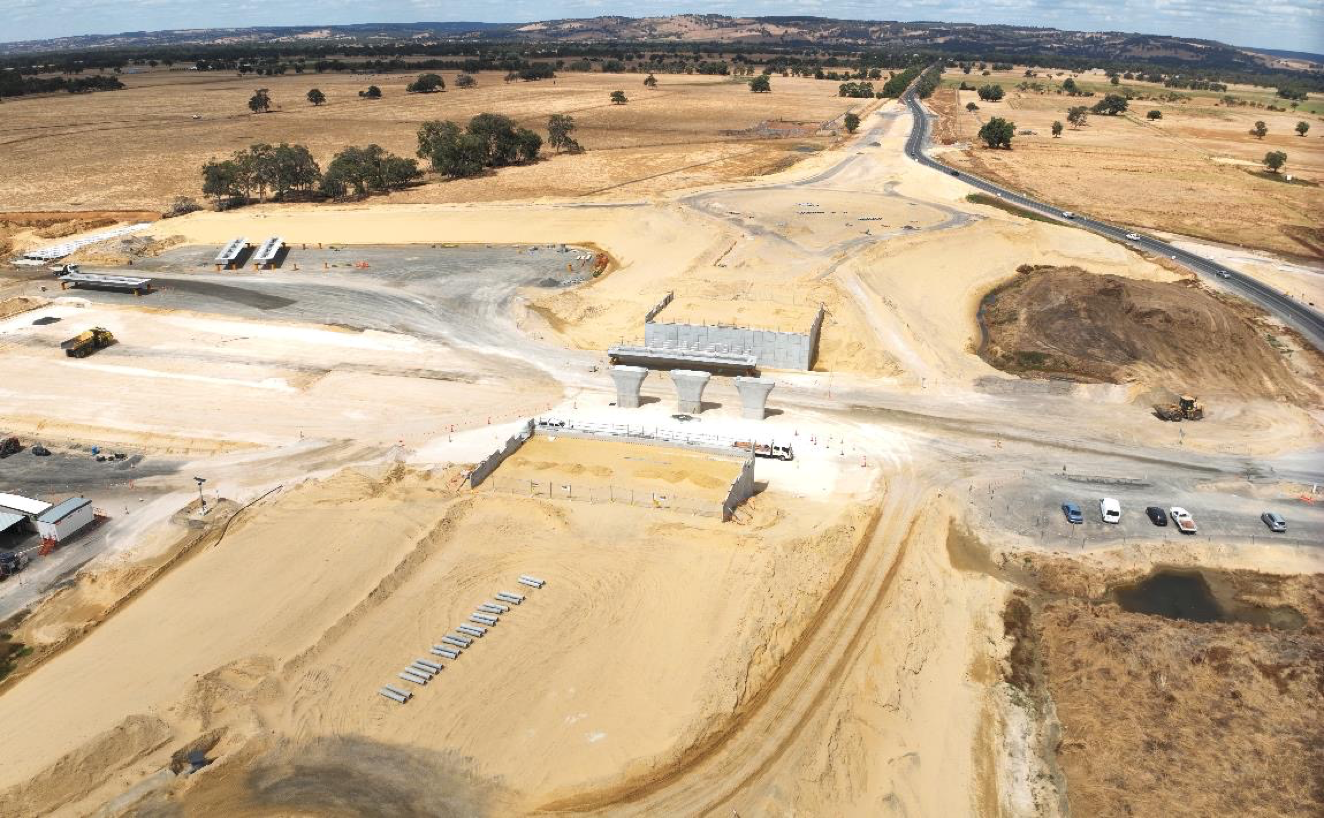
The Bruce Highway, Cairns Southern Access Corridor, (Stage 3) Edmonton to Gordonvale Project (E2G) is a road and rail project just south of Cairns in far-north Queensland. The project has integrated social sustainability during construction, leaving a lasting impact. E2G has focused on integrating with the local community, preserving cultural heritage, supporting local businesses, upskilling the workforce, and promoting education. Through these initiatives, E2G has created a sustainable legacy, demonstrating social excellence and positive community impacts. This presentation will detail the outcomes achieved on the project, discuss challenges along the way and provide guidance on how to approach social sustainability on future project.


Access the presentation –here

Access the webinar recording –here


Supplier in the Spotlight – Webinar Series

Here at the IS Council, we’re already dreaming up our new year’s resolutions for 2024. We feel it is high time to shine a light on the heroes along the supply chain who put their hearts and minds into supporting people, planet and the economy with their innovative products and sustainability services.

With great pleasure and excitement (drumroll, please…!) we are proud to launch our newest webinar series: “SUPPLIERS IN THE SPOTLIGHT”, a bi-monthly supplier showcase hosted by the IS Council, with each edition featuring six unique suppliers.

In this inaugural webinar, you will hear from Tara Osborne from BINGO INDUSTRIES, Jamie Robertson from 361 Degrees Strategic Engagement & Communications, Yuchen XU from ZIger Energy, George Reinke from REYNARD WOOD, Ryan Hackney from Geofabrics Australasia and Morgan Ledger from Cerclos.

Access the presentation – here

Access the webinar recording – here 


ISC Connect 2023 – Recap

Our decade of action for people, the planet and the economy…”

Reflections on “ISC Connect”, your Infrastructure Sustainability Council’s yearly conference, held on Naarm country (Melbourne), from 5-7 September, 2023. 

If the strength of our relationships and the ways our actions have impact are the litmus tests of success; and if history tells us we make greater impact, faster, when we collaborate… by those terms, we can confidently call the thousand -strong cohort of intentional individuals who participated in Connect 2023,truly successful people”.

Together, in a jam-packed 72-hours, you gave the world a push, and helped propel this planet a little further along its trajectory into our more sustainable future. For that, we at the ISC offer our hearty thanks.  

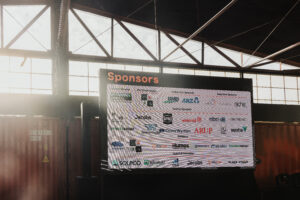
Thanks, importantly, must in equal measure go to our major sponsors MRPV (MTIA), Ventia, CPB Contractors, Bluescope & Bluescope Steel, John Holland Group, Acciona, GHD, Holcim, InfraBuild, Mott McDonald, Laing O’Rourke, Gamuda, Perspektiv and WSP; as well as our many session sponsors, Gala and Awards Dinner and associated function sponsors, and to our venues, suppliers, members, partners, and friends who gave so much up front or behind-the-scenes, over the course of the event and the weeks and months prior.  

Thank you, everyone!


By working together with passion and purpose to advance sustainability in our sector, you gave everyone who took part the chance to make Connect 23 a true success, worthy of celebrating in style. 

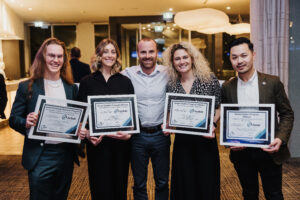
This year’s Certification Dinner awarded twenty IS Certifications to project teams from far and wide, each one representing tremendous achievements and demonstrating significant positive socio-cultural impacts and sustainable outcomes.  


We took a closer look and further celebrated these achievements, impacts and outcomes as we concluded the conference and took a collective exhalation for our Gala Dinner and Awards event, which was a night with fantastic food and beverage, great company, camaraderie, and even a little comedy, courtesy of the night’s celebrity MC, Peter Helliar, who shared how inspired he was by his experience.  

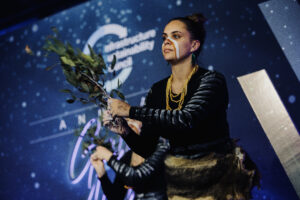
For many, the bestowing of an ancient traditional welcoming ceremony and blessing given by Mandy and the Djirri Djirri dancers was as much a highlight as the awards themselves, which celebrate exemplary achievements in infrastructure sustainability over a range of criteria and project phases. The awards evening celebrates the outstanding work of the award recipients, and gratefully recognises the efforts of our members and collaborators who drive so many transformational, community- and nature- positive projects which will leave a long lasting legacy of decades to come.  

If you weren’t able to join us in Naarm in September, it’s our expectation that our thousand sustainable success stories from all corners of Australia and New Zealand went home, warrior-like, poised to share enthusiastically with intention and purpose in their workplaces and communities.  

To see our sustainably fashionable sector at its most glamourous, click here ! 

And if you’ve got a case of FOMO from all you’ve read and seen, and you’re keen for your moment in the spotlight… there’s always next year. Those carbon targets aren’t going anywhere! 

Now, to remind you of what you were part of, and as cues for those “What was great about Connect?” conversations we suggested before, here’s just a quick flyover of the Connect 23 program with a sprinkling of highlights from a reserve of hundreds. 

We kicked off Connect bright and early with our Leadership Breakfast with a deep-dive into renewable energy generation and transmission then launched into (everyone-loves!-) ISAP Day featuring presentations on topics like…  

  • cultural advocacy in infrastructure 
  • IS Essentials case studies from Australia and NZ 
  • inspiring kids to become sustainability warriors  
  • how infrastructure projects are transforming lives in remote communities, and  
  • how goats might be the next big thing in your sustainability toolkit… to name a few. 

There were panel Q&As with ISC assessors giving ISAPs the invaluable opportunity to ask the experts… anything, really. And all this before 3pm, when we set off on one of three fantastic field trips to: 

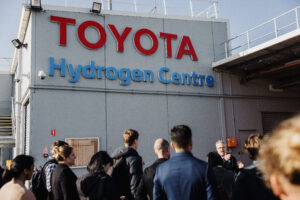
  1. the future site of Toyota’s Hydrogen Centre 
  2. the National Transport Research Organisation and 
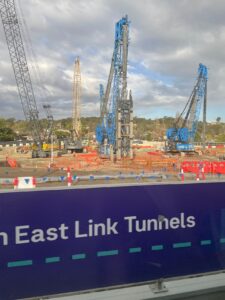
  3. the Spark North East Link Project. 


We launched Conference Days 1 and 2 with engaging keynotes from the Hon Cathering King MP, Duncan Elliott and Josh Bull MP who shared inisghts into the current infrastructure pipelines. Heard from, Marcia Langton and Michael Bissell who shared their insights on indigenous engagement and inclusivity, and from David Knoff, Australian Antarctic station leader and author, whose “537 Days of Winter”, when he was stranded, as the pandemic raged around the world, was a remarkable tale of resilience, inspiration and motivation. The myriad of opportunities to learn and connect on these two core days of presentations, breakout sessions and working groups.  

There were many more noteworthy sessions than we’ve touched on here, with sustainability-related topics running the gamut from AI to Zincalume and everything between, including circularity, decarbonization, nature positivity, Net Zero… and beyond. And the best part… you can find full recordings of all sessions from Connect 23, to inspire and celebrate our continued collaboration, here. 

And that… is a wrap!  

Click here to watch the session recordings 

We look forward to seeing you next year!      

#staytuned #iscconnect24 #savethedate 

IS Materials Calculator Update

stEPD up: IS Materials Calculator – ‘+A1/+A2 EPD Update’ – related to new EPD Standard

The Infrastructure Sustainability Materials Calculator (IS Materials Calculator) provides a level playing field assessment tool for materials lifecycle impacts across different infrastructure projects and assets.

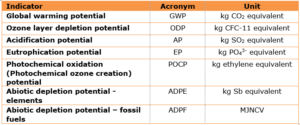
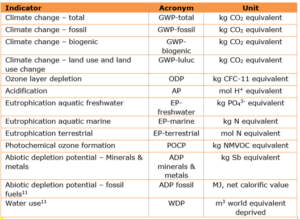
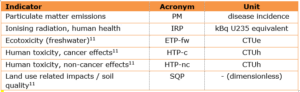
As stated in the ISC December 2022 article IS-Materials-Calculator-Update.pdf , the EPD standard (EN15804) underwent a major amendment (EN15804+A2) in October 2019 (from EN15804+A1), which resulted in an expanded set of environmental indicators to be reported in EPDs. See Table 1 below for an overview of the different environmental indicators.

The current IS Materials Calculator only includes results from EPDs published to the earlier standard (EN15804+A1).

  • We note that many of our members have existing EPDs published to EN15804+A1, which are well within their 5-year validity period (with the final ones to expire in February 2027).
  • The ISC needs to continue supporting these existing EPDs, and any change in the current methodology or process must take this into consideration.

Table 1: Environmental impact indicators in EN 15804 + A1 and EN 15804 + A2

EN 15804 + A1 Indicators

EN 15804 + A2 Indicators

Additional indicators

The ISC, our Sustainable Materials Technical Working Group and Tool Developers have been working hard to develop a solution to update the IS Materials Calculator to enable it to include both types of EPDs (i.e. EN15804+A1 & EN15804+A2) within a combined calculation methodology and produce a single consolidated result output, for the purposes of an IS Rating.

IS Materials Calculator – ‘+A1/+A2 EPD Update’: Proposed Solution

The proposed solution is to create a single comprehensive tool that covers both EN15804+A1 and EN15804+A2 life cycle inventory results, across both Australia and New Zealand. This plan of work will merge all four of the below tool requirements into a single tool (IS Materials Calculator – ‘+A1/+A2 EPD Update’) with a simple and user-friendly user interface:

  • Australian dataset for +A1 reporting
  • Australian dataset for +A2 reporting
  • New Zealand dataset for +A1 reporting
  • New Zealand dataset for +A2 reporting

The newly updated ISC Materials Calculator will merge all the requirements into the one tool and provide users the ability to continue to report their +A1 results, as well as meet their emerging +A2 reporting requirements.

  • Tool Developers – Michel Consulting & Enterprises; start2see
  • Program – proposed to be finalised in December 2023

Note: Digitilisation of the current IS Materials Calculator is occurring in parallel (scheduled for completion in early 2024). The intent is to firstly develop the Materials Calculator – ‘+A1/+A2 EPD update’ in excel, and then make the relevant changes in the digital tool, once it has been tested by the industry.

IS Materials Calculator – ‘+A1/+A2 EPD Update’: Tool Development Sponsors

The infrastructure sector will benefit greatly from this important update, made possible through collaboration and partnership. The ISC would like to thank the below members for stepping up and sponsoring the IS Materials Calculator – ‘+A1/+A2 EPD Update’

Major Sponsor

Associate Sponsor

Current Workarounds

As this is a considerable update, material manufacturers are advised as follows:

For ‘EPDs produced in line with EPD Australasia Standards’

  • To be added to the IS Materials Calculator, the product needs a valid EPD that includes the EN15804+A1 set of results (i.e. EPDs published to EN15804+A2 will need to also contain the EN15804+A1 results). As outlined in the IS Material Calculator Guideline &  recommended by EPD Australasia Technical Guidance (December 2020)

Note: There is no change to other requirements, i.e. the EPD Programme Operator needs to be categorised as an Established Programme Operator by ECO Platform. EPD Australasia is an Established Programme Operator through its affiliation with the International EPD System.

For ‘EPDs produced internationally by recognised third parties’

  • To be added to the IS Materials Calculator, the product needs a valid EPD that either includes the EN15804+A1 and/or the EN15804+A2 set of results. If the EPD only contains the EN15804+A2 results, the EPD owner needs to provide the EN15804+A1 results in Excel format to the ISC (to be sense checked by the ISC/ISC consultant) and written confirmation that the EN15804+A1 and +A2 results were generated together for the same product.

For ‘EPDs produced by GCCA software’ (i.e. only capable of producing +A2 results)

  • Not able to be included in the current IS Materials Calculator

Modern Slavery Impact Note – video clip

We are pleased to announce the release of a video clip on the second edition of the IS Impact Notes: Modern Slavery. This impact note outlines how infrastructure projects can drive action – through leadership and management, sustainable procurement, materials sourcing, and workforce sustainability – to integrate an appropriate and effective modern slavery response with long-term impact. The IS Rating Scheme supports embedding modern slavery management actions, aligning with the UN SDG 5 Gender Equality, and UN SDG 8 Decent Work and Economic Growth.

Please click below to watch the video now

A responsible approach to recovery and building resilient infrastructure


The Infrastructure Sustainability Council commends the New Zealand Government’s Budget commitment to advancing the nation’s infrastructure, resilience, and skills development.

The Budget emphasised immediate infrastructure investment which considers long-term resilience and climate change with $77bn earmarked for infrastructure and resilience over five years, and $6bn earmarked for cyclone recovery.

“Strategic investment across transport, energy and telecommunications as networks is welcomed with focus on both asset maintenance as well as deficits and future demand,” said Ainsley Simpson, the Council’s Chief Executive.

The new National Resilience Plan with initial funding of $6bn underpins building back better from the recent Auckland floods and Cyclone Gabrielle and strengthening infrastructure resilience for a future of more severe and unpredictable weather events.

Ms Simpson commented, “Our infrastructure is the very foundation of resilience and must support our communities withstand the next weather events which will only increase in intensity.

“This means shifting from how we have traditionally planned, designed and constructed for gradual changes, and managing critical assets and networks to be more responsive to a changing climate.

“Resourcing the recovery through Rau Paenga, the new Crown infrastructure delivery agency, is a responsible approach to ensuring delivery is supported with the capability and priority it requires.”

The Infrastructure Action Plan responds to the New Zealand Infrastructure Strategy, released late 2022. Important inclusions to be led by Te Waihanga are an infrastructure priority list, a review of the Better Business Case framework and a government approach to engagement with Iwi and Māori on infrastructure projects.

“We believe these early actions will enhance governance practices, advance broader benefits and provide economic certainty for local contractors and suppliers,” Ms Simpson said.

“The New Zealand Government’s commitment to investing in resilient infrastructure is vital to ensuring our communities can withstand and recover swiftly from future shocks and stresses. By integrating sustainability and resilience principles into infrastructure planning and design, we can build a more resilient and adaptive New Zealand for future generations.”\

The Budget extended the commitment to skills development through the Apprenticeship Boost through to the end of 2024.

“Much greater investment capability building is required to foster a skilled and knowledgeable workforce capable of delivering sustainable resilient infrastructure.

Simpson noted, “The Budget is a signal that there is urgency to address a growing skills deficit in the people that plan, design, construct, and maintain sustainable and resilient infrastructure.”

The ISC stands ready to collaborate with the New Zealand Government, infrastructure industry professionals, and other stakeholders to support the successful implementation of the Budget’s initiatives.

Simpson affirmed, “As champions of sustainable infrastructure practices, the Infrastructure Sustainability Council is committed to working closely with the Government and industry partners for effective infrastructure planning, investment and management that delivers social, cultural, environment and economic dividends across Aotearoa.”

About the Infrastructure Sustainability Council:

The Infrastructure Sustainability Council (ISC) is a purpose-led not-for-profit dedicated to promoting sustainable infrastructure practices in New Zealand and Australia. The ISCouncil administers the Infrastructure Sustainability (IS) rating scheme, mandated by delivery agencies and asset operators with approximately over $270b government-funded large infrastructure projects assuring their sustainability performance. The ISCouncil represents more than 180 government bodies, companies, and associations with a combined annual turnover of more than $50 billion to advance inclusivity, resilience and net zero in infrastructure.

Media Contact

Ainsley Simpson

Chief Executive Officer | Infrastructure Sustainability Council

E asimpson@iscouncil.org | W www.iscouncil.org


InfraBuild pioneering ecolabelled steel

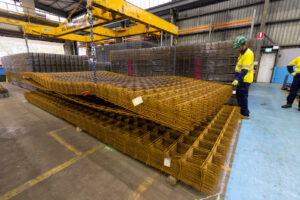
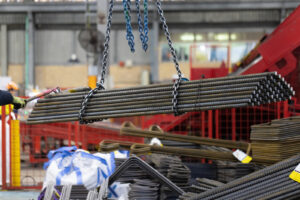
The IS Council is delighted to recognise InfraBuild for successfully gaining GECA Certification for its reinforcing bar and reinforcing mesh products, made by InfraBuild to AS/NZS 4671. InfraBuild is the first business to achieve GECA Certification to their Steel Standard.

Steel is a vital material not only for the built environment but also for vehicles, art, medicine and information technology. The unique physical properties of steel allow it to be reused or recycled without losing quality. However, like all materials, steel can pose a significant environmental, health and social burden during manufacture, use and disposal. So, GECA has developed the Steel and Steel Products standard to define sustainable performance benchmarks for steel and steel products throughout their lifecycle.

Combining the GECA Certification with InfraBuild’s existing Environmental Product Declarations (EPDs) for these products, InfraBuild is well placed to receive recognition for the sustainability attributes of its products, and to better support IS rated projects teams seeking to achieve best practice outcomes.


InfraBuild’s new Certification is noted on the GECA website, Link below

https://geca.eco/licensees/infrabuild/

Find InfraBuild products on the ISupply Directory below

Structural Steel, Reinforcing Bar and Mesh, and Rail Products – ISCouncil

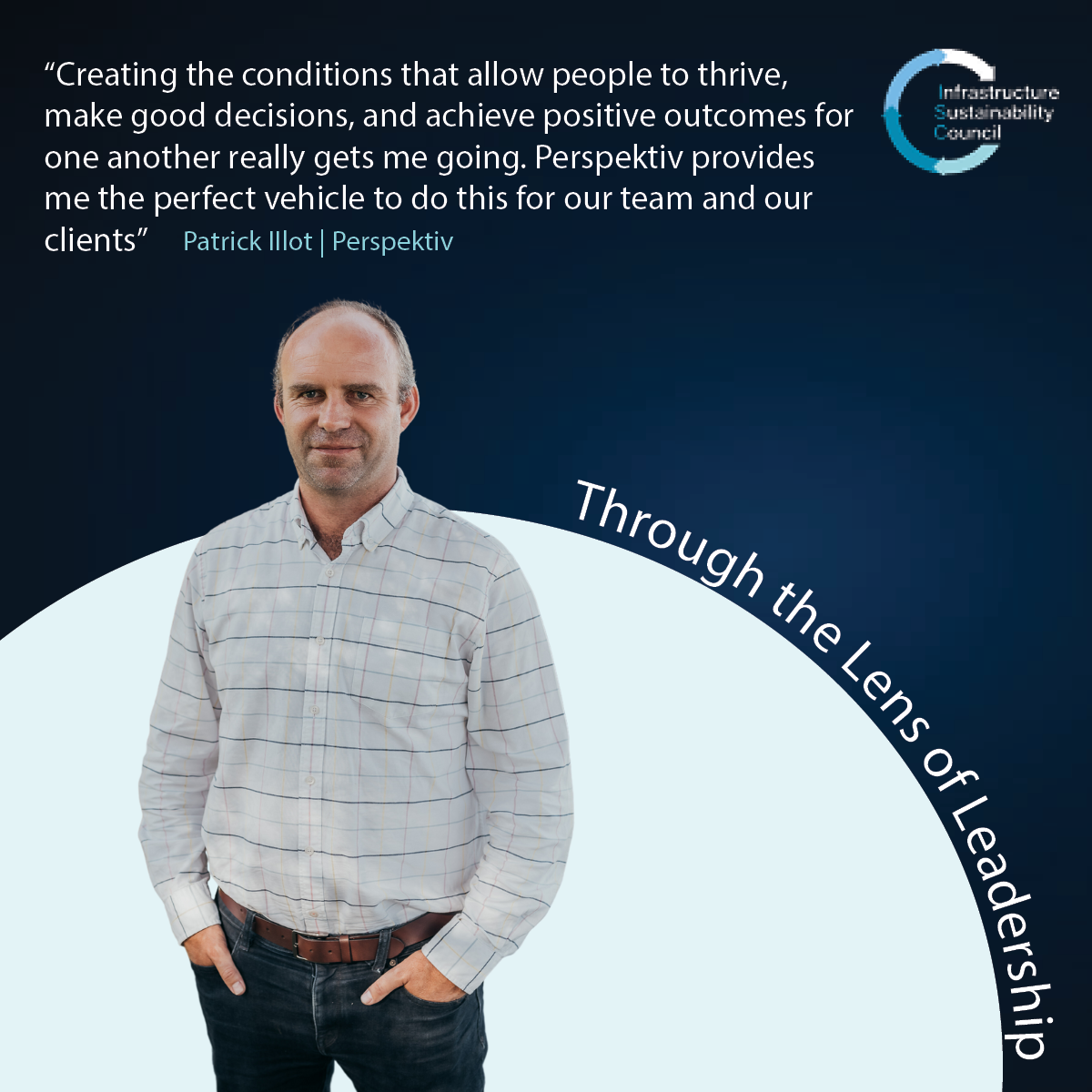
Through the lens of Leadership – Patrick Ilott, Perspektiv

Through Lens of Leadership

“Creating the conditions that allow people to thrive, make good decisions, and achieve positive outcomes for one another really gets me going. Perspektiv provides me the perfect vehicle to do this for our team and our clients”.

Patrick IIott – Perspektiv


Leadership in Infrastructure Sustainability

Patrick has demonstrated leadership in infrastructure sustainability through his vision and leadership in the successful establishment and operation of Perspektiv. He has over 20 years of experience in sustainability, having worked for internationally renowned consultants and contracting organisations on large infrastructure assets and projects throughout Australia and the United Kingdom.

Since 2017, Patrick has led the expansion of his team, which now comprises of 24 employees. More than 20 of these professionals are currently dedicated to IS Ratings, and over the past two years, they have successfully completed more than 30 IS Rating assessments. The team have also worked on seven IS ‘Leading’ Ratings (with a rating score of 75 points or greater).

Leadership Lessons

Patricks leadership style and values have enabled him to achieve significant success with Perspektiv. As an experienced ISAP, ISCA Verifier, and trainer, he has a wealth of knowledge and experience to share with emerging leaders. However, what sets Patrick apart is his passion for engaging and sharing with others. He believes it is critical to enable individuals to make positive contributions, admitting that he ‘much prefers training, facilitating and empowering others to do good, as opposed to doing ‘‘real work’’.

Patrick demonstrates that by being flexible, open-minded, and leveraging positive relationships, leaders can create an environment where teams can thrive and achieve great results. His approach has allowed him to cultivate a culture of trust, where everyone is encouraged to share their ideas and opinions. Patrick understands that everyone has unique talents and perspectives, and he strives to create a space where those strengths can be utilised to the fullest.

Core Values

Patrick places a high value on social and environmental responsibility, as demonstrated by Perspektiv’s certification as a B-Corp and commitment to good governance. His vision for Perspektiv; to find a better way, make a difference, and be genuine, is backed by his selfless approach that focuses on achieving beneficial outcomes for both the company and the broader community. Perspektiv donates 5% of profit before tax every year to support various social and environmental causes, reflecting Patrick’s commitment to giving back and making a positive impact on society.

In addition to Patrick’s commitment to social and environmental responsibility, he has recently made a significant move to transition Perspektiv into an employee-owned business, which not only empowers his employees but also strengthens the company’s commitment to long-term success and stability. This approach promotes a culture of shared responsibility and accountability, where every employee has a vested interest in the success of the company.

This move also aligns with Patrick’s belief in creating a more sustainable and equitable economy. He truly values his people and is committed to creating a positive work environment, that has been realised by Perspektiv becoming a preferred employer.


Content Contributor

Amelia Warner

amelia.warner@perspektiv.com.au

Social value in the Australian built environment

Infrastructure supporting a better future for all

In the lead up to the 2023-24 Australian Federal Budget, why unlocking the social value of the nation’s infrastructure investment is key to creating a better future for all


WSP and ISC acknowledge that every project we work on takes place on First Peoples lands. We recognise Aboriginal and Torres Strait Islander Peoples as the first scientists and engineers and pay our respects to Elders past and present.


Modern, resilient infrastructure is vital to the success of Australia’s economy.

From transport networks to energy, water and telecommunications systems as well as health, education, public administration, housing and justice facilities – the critical infrastructure in our communities enables our country’s economic growth, fiscal prosperity and society’s quality of life.

As our economy emerges from COVID19 related shifts and against a backdrop of rising interest rates, cost of living pressures and geopolitical tensions, the importance of delivering social value from our infrastructure investment has never been greater.

Both Federal and State governments are continuing to increase their focus in this area. The National Cabinet met in April 2023 to agree A Better Future for the Federation, a national and state approach to a range of priorities that require holistic investment and planning for a thriving country.

The Australian Treasury is weaving wellbeing and social value into the Federal Budget in a ‘Measuring What Matters Statement’ due for release later this year. The Statement will go beyond macroeconomic measures to a comprehensive policy framework that also includes both social and environmental indicators and measures.

Governments and businesses are recognising a growing interest and expectations from communities, customers, the workforce and other stakeholders, in terms of organisational leadership and policy responses that speak to social responsibility.

In April 2023, WSP in partnership with the Infrastructure Sustainability Council (ISC) held several focus groups to explore social value. Our focus groups were designed to better understand social value imperatives for diverse stakeholders who play a role in shaping the built environment.

It is clear from our conversations, with social value experts and practitioners, that delivering social value requires a considered approach and appropriate investment, in order to create meaningful impact.

 

The ‘S’ in ESG matters

Environmental, Social, and Governance (ESG) considerations in the built environment have gained importance in the past decade, yet the social pillar has historically been overlooked, considered late in the day, or thought of as optional. Globally, social value is quickly becoming an agreed upon idea to bring purpose and meaning to the ‘S’ in ESG for our sector.

With changing views on the role of government and business in delivering infrastructure assets that serve the entire community, social value has become an important focus for organisations that complements or encompasses the environmental agenda.

 

What is social value?

Social value is both a concept and an approach to valuing what matters to people and communities.

It is thenon-economic benefit to society from an investment or resource, particularly the wellbeing of people and communities.

Definitions of social value highlight the importance of being able to measure and quantify social outcomes, to establish an evidence base, and to effectively demonstrate the benefits of the work an organisation is undertaking or planning to undertake.

“Understanding the relative importance that people place on changes to their wellbeing and using the insights from this to make better decisions.” (Social Value International)

“The quantification of what is of value to society including the wellbeing of its people and the environment that sustains them.” (Australian Social Value Bank)

“The wider financial and non-financial value created by an organisation through its day-to-day activities, in terms of the wellbeing of the communities, social capital created and regeneration of the environment.” (Social Value Portal)

Measuring What Matters

In Australia’s 2022-23 Federal Budget, the Treasurer outlined the government’s intention to prioritise people’s wellbeing in its 2023-24 Budget by launching the Measuring What Matters initiative.

For the first time the government will base its priorities on a more comprehensive analysis of societal wellbeing outcomes beyond traditional macroeconomic measures.

The Measuring What Matters initiative highlights the importance of using a broader set of metrics, that incorporate social and environmental outcomes, to better understand community wellbeing and support informed policy making.

Five broad themes have emerged from the phase one consultation, for consideration in a national wellbeing or social value framework:

  1. Prosperous – A growing, productive and resilient economy
  2. Inclusive – A society that shares opportunities and enables people to fully participate
  3. Sustainable – A natural environment that is valued and sustainably managed in the face of a changing climate for current and future generations
  4. Cohesive – A safe and cohesive society that celebrates culture and encourages participation
  5. Healthy – A society in which people feel well and are in good physical and mental health now and into the future

The phase two consultation is now underway, seeking feedback on the draft themes, to further support the Measuring What Matters Statement due for release later in 2023.

Key to shaping great places for Australian communities, the infrastructure sector is quickly recognising the importance of incorporating broader measures of success into projects, portfolios, and strategies. But how do we define value, what does success look like, and how do we measure progress?

 

About our research

Focus group research conducted by WSP and the Infrastructure Sustainability Council (ISC) has demonstrated varying levels of maturity in the approach to social value being implemented across organisations in the infrastructure sector. While some are at the start of their social value journey, others are making a significant impact and demonstrating strong leadership in their approach to delivery and measurement of social outcomes, and in turn, social value.

We found several emerging themes from these focus groups that will be important areas for the Measuring What Matters Statement:

Authenticity Rather than an approach that encourages proponents to achieve a minimum requirement, stakeholders commented on the opportunity that exists in Australia to reward creative and authentic approaches to achieving social value. A realistic approach is needed, acknowledging potential challenges and competing demands. Place-based, Country-centred and community building approaches are integral to realise opportunities to create social value through projects and programs, that are relevant and appropriate for their specific context.

Transparency and a standard approach – It was clear that a shared definition of social value is required. And that clear guidance on how to deliver and measure social value is critical, to achieve practical cut through. A flexible framework or guideline would allow healthy competition, recognition, tracking, and accountability. The success of a similar approach in the United Kingdom, with both the Public Services (Social Value) Act and the BS 8950 Social Value Guide, demonstrates the value of standardisation. Clear and realistic indicators, allowing for place-based and contextual value, are key to success and can be scaled to develop sectoral frameworks.

Competing demands – Participants commented on the challenges associated with progressing the social agenda within their organisations and in the wider community, stressing the importance of balancing competing demands in social value decision-making across the infrastructure landscape. They identified three areas that require balancing: business and community, long and short term, and individual versus collective benefits.

Building a business case – There is not one way of generating social value, but many. While some organisations may regard a mandate for social value as an impost, it’s clear that others see it as an opportunity. An opportunity to differentiate themselves in the market, to grow their customer base through values alignment, and to create positive impact for people and communities at the same time as they continue to generate strong commercial outcomes. Importantly, opportunities to support the realisation of social value do not need to cost more. Rather, taking the time to consider and co-design pathways to meaningful social value creation has the potential to add value to all stakeholders – including businesses and their workforces.

WSP and the ISC are encouraged by the government’s development of the Measuring What Matters Statement and their consultations with community and business as an important step in a national conversation. We look forward to release of the Statement and encourage the government’s consultation with industry as a key mechanism to delivering on wellbeing indicators that improve the wellbeing of communities across Australia.

Prioritising social value is crucial for achieving a sustainable and socially responsible future. WSP and the ISC are continuing industry research to deliver insights on making social value tangible for the infrastructure sector.

To find out more about the research we are undertaking or to get involved and give your thoughts please get in touch.

Lucy Greig

National Executive, Social Strategy and Outcomes, WSP

Lucy.Greig@wsp.com

Carolyn Gibbs

Partnerships Manager, Infrastructure Sustainability Council

Carolyn.Gibbs@iscouncil.org

Sarah Morris

Head of Strategic Campaigns and Partnerships, WSP

Sarah.Morris@wsp.com

IS Essentials Information Session – 23 March 2023

Watch our latest recording of the IS Information Session our rating tool – IS Essentials, which can be applied to measure sustainability and quadruple bottom line performance of Infrastructure Projects and Assets under $100 million. During the session, We explore how the IS Ratings Work, the benefits, the pilot phase and how to join. The session will focus on the benefits of IS Essentials, the implementation and engagement with IS Essentials on your project/asset and how to get involved as a Pioneer Partner.

Speakers for our webinar include:

  • Monique Isenheim, Head of Market Development – Infrastructure Sustainability Council
  • Tom Young, Regional Lead – Infrastructure Sustainability Council
  • Tyrel Momberg, Principal Technical Advisor – Infrastructure Sustainability Council

For ISAP’s interested in watching the Base Case Webinar, click here to access the recording

To access the Webinar Presentation, click here

IS Ratings for ESG & Sustainable Finance

Watch our latest sustainable finance, recorded on March 14, 2023 and  hear the latest news and updates from the ISC Team. In the session our teams cover: IS Ratings Scheme – Get an update on recent IS Ratings, performance benchmarks, materiality assessment and the base case.  IS ratings for ESG & sustainable finance.

To access the Webinar, click here.

Reliance Rail Refinancing

21-year A$1.8b green sustainability-linked loan tied to IS Operations rating

In March 2022, Reliance Rail secured a $1.8b green sustainability-linked loan tied to an IS Operations rating.

Reliance Rail is a public-private partnership (PPP) with the NSW Government, established in 2006 to deliver the Waratah train fleet and 30 years of maintenance. There were no contractual requirements to improve sustainability or obtain an IS rating.

Green Sustainability-Linked Loan (GSLL)

Reliance Rail, under the leadership of its CFO Louise Iida, secured the first sustainability-linked instrument for an Australian PPP and one of the first loans in Australia to be both green-certified and sustainability-linked. BNP Paribas, Commonwealth Bank of Australia (CBA) and National Australia Bank acted as joint sustainability coordinators. Sustainability performance targets (SPTs) over an initial 10-year period including IS Operations rating score is the most significant metric. Other metrics included the energy intensity of the trains and maintenance facility, solar PV generation and operational water intensity. Potential margin savings are available for 10 years, with a significant incentive to improve rating scores as early as possible.

Read the detailed case study here